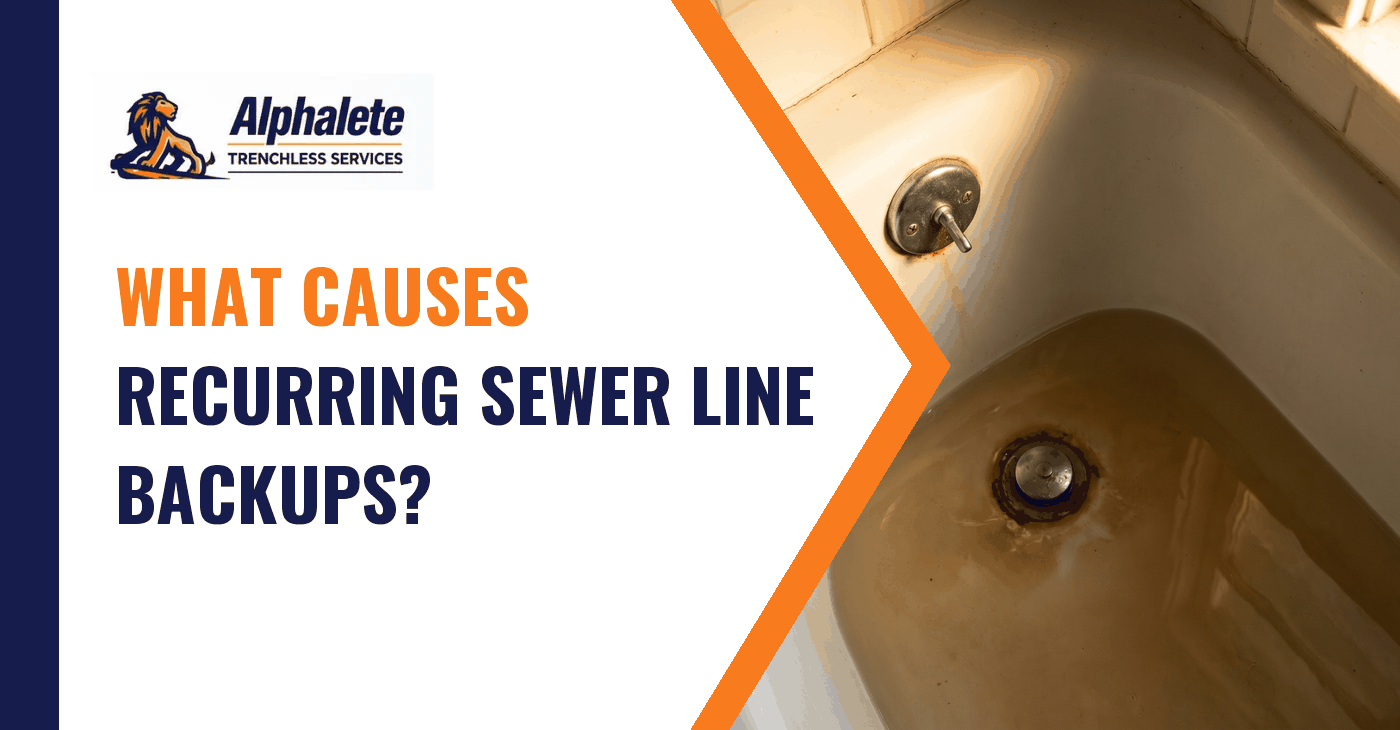
Quick answer: Recurring sewer line backups mean the clog is a symptom, not the problem. Something in the line keeps rebuilding it: tree roots growing through cracks, grease and sludge on the pipe walls, a sagging or offset section that traps debris, or a deteriorating pipe. Until that underlying cause is found and fixed, the cycle of clog, snake, repeat continues.
Snaking the same line twice a year is not maintenance. It is a recurring bill for the same unsolved problem. If your sewer line keeps backing up, here are the usual suspects, how to tell which one you have, and what actually breaks the cycle.
Why Recurring Sewer Line Backups Outlast the Snake
A drain snake punches a hole through a blockage and restores flow. That is genuinely the right fix for a one-off, localized clog. But a snake leaves the pipe walls as it found them: roots still rooted, grease still coating the line, and any cracks or sags still in place. Whatever built the first clog starts building the next one immediately. The full comparison is in Hydro Jetting vs. Drain Snake.
So the diagnostic question is simple: is this the first clog, or a repeat? Repeats mean look deeper.
The Five Causes of Recurring Sewer Line Backups
1. Tree Roots Rebuilding the Blockage
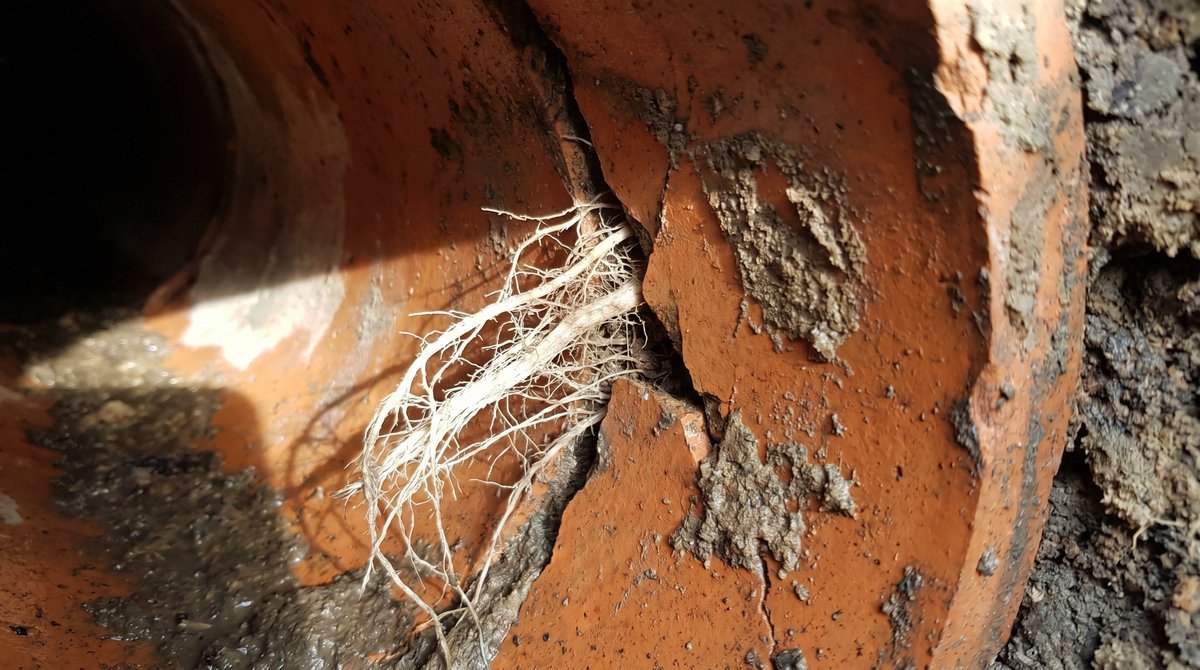
Roots are reported to cause more than half of all sewer blockages, and they are the classic repeat offender. They enter through small cracks and joints, grow toward the moisture, and snag debris flowing past. Snake them out and the root structure remains in the pipe wall, regrowing into the line within months. The pattern: clogs that return on a fairly regular schedule, especially in homes with mature trees near the sewer path. More in Tree Roots in Sewer Line? What Homeowners Should Know.
2. Grease and Sludge Buildup
Years of cooking grease, soap scum, and sludge narrow the pipe’s interior. A narrowed line clogs easily, and a snake only bores a channel through the buildup rather than removing it. The pattern: slow drains that never quite recover, kitchen-line involvement, and clogs that return faster each time.
3. A Bellied or Sagging Section
When soil settles or shifts, a section of pipe can sink into a low spot called a belly. Wastewater slows there, solids drop out and accumulate, and the same stretch clogs over and over. Colorado’s expansive clay soil and freeze-thaw cycles make ground movement a recurring local cause, as covered in Why Colorado Springs Sewer Lines Clog and Crack. The pattern: backups in the same spot, confirmed on camera by standing water in the line.
4. Cracked, Offset, or Deteriorating Pipe
Cracks and offset joints create rough edges and gaps that catch paper and debris, and they are also the entry points for roots and soil. Aging clay and cast iron lines, common in homes built before the 1970s, deteriorate from the inside out. The pattern: recurring clogs plus other symptoms such as gurgling, sewer odors, or soggy spots in the yard. If this is your column of symptoms, read Cracked vs. Collapsed Sewer Pipe next.
5. The Wrong Things Going Down the Line
Wipes (including “flushable” ones), hygiene products, paper towels, and kitchen grease all build clogs faster than any pipe can clear them. If the camera shows a healthy pipe and the clogs are still recurring, household habits are the remaining suspect. This is the one cause you can fix for free.
How the Actual Cause Gets Identified
Every cause above produces the same surface symptom, a backed-up drain, which is why guessing fails and repeat-snaking continues. An HD sewer camera inspection looks at the inside of the line and shows which one is at work: root masses, wall buildup, standing water in a belly, cracks and offsets, or foreign material. The camera also locates the problem precisely, including depth, so any repair is targeted instead of exploratory.
Matching the Fix to the Cause of Recurring Sewer Line Backups
- Roots and buildup: Hydro jetting scrubs the full pipe wall clean, removing the root mass and the accumulated grease a snake leaves behind. If roots entered through cracks, sealing those entry points is what makes the fix permanent.
- Cracks, open joints, and root entry points: CIPP lining creates a new structural pipe wall inside the existing line, closing the gaps that roots and groundwater were using. See What Is Trenchless Sewer Repair and How Does It Work?
- A significant belly or collapsed section: Lining follows the pipe’s existing path, so a true sag or collapse may need a targeted excavation for that section, often combined with lining for the rest of the run.
- Habits: If the pipe checks out, the fix is at the drain opening, not in the yard. Keep grease, wipes, and paper towels out of the line.
Break the Cycle of Recurring Sewer Line Backups
Recurring backups always have a cause, and the cause is visible on camera. Alphalete Trenchless Services starts there: an HD inspection, an honest explanation of what is rebuilding your clogs, and a fix matched to the finding, whether that is a thorough jetting, trenchless lining, or both.
Alphalete serves Colorado Springs, Denver, and surrounding Colorado communities. Schedule a free video inspection or call (720) 807-3224 before the next backup picks the timing for you.
Frequently Asked Questions
How many times should I snake a drain before getting an inspection?
If the same line needs clearing a second time within a year or so, that is the signal. A third snaking is rarely better information than one camera inspection.
Do recurring backups mean I need a whole new sewer line?
Usually not. Most recurring backups trace to roots, buildup, or localized damage, and lines caught at that stage are often candidates for cleaning plus no-dig lining rather than replacement.
Why do my backups happen during heavy rain?
Rain raises groundwater, and groundwater finds its way into cracked or open-jointed pipes, adding volume the line cannot handle. Rain-correlated backups are a strong hint the pipe has openings it should not have.