Quick answer: Gurgling drains and sewer smells usually trace to the same root problem: something is restricting or breaching the sewer line. Gurgling means a partial blockage is forcing air back up through fixture water. Sewer smells mean gases are escaping a system that should be sealed. One symptom alone can be minor; both together, or either one recurring, points toward a main sewer line problem worth inspecting.
Your plumbing system is designed to be quiet and odorless. Water flows down, vents carry air out through the roof, and water traps under each fixture seal sewer gases away from your living space. When you start hearing the system or smelling it, something has changed. Here is how to read what your sewer line is telling you.
Why Drains Gurgle
A gurgle is air escaping through water. When wastewater flows down a healthy line, air moves freely through the pipe and vent system. When something restricts the line, draining water has to push trapped air somewhere. As a result, that air bubbles up through the nearest fixture trap, and that is the sound you hear.
What creates the restriction:
A partial blockage in the main line. Grease, sludge, debris, or a root mass narrowing the pipe. Air and water fight for the remaining space.
A damaged or sagging pipe. Cracks, offsets, and bellies disrupt smooth flow and create spots where air gets trapped.
A blocked vent stack. If the roof vent is obstructed, the system pulls air through fixture traps instead. This one is not a sewer line problem, but it produces a similar sound.
The Pattern Matters: One Fixture vs. the Whole House
In practice, where and when the gurgling happens is diagnostic:
One fixture gurgles after its own use. Likely a local issue in that fixture’s drain or trap. Annoying, usually minor.
One fixture gurgles when a different fixture drains. The classic example: the toilet gurgles when the washing machine empties, or the tub bubbles when the toilet flushes. The fixtures share a line, and that shared line is restricted. This points downstream, toward the main.
Multiple fixtures gurgle, and the lowest drains act up first. Basement floor drains and ground-floor tubs are the canaries. When the main line is restricted, the symptoms show up at the lowest points first. This is main sewer line territory.
Why You Smell Sewer Gas
A sound sewer system is sealed: traps hold water, joints are tight, and gases exit through the roof vent. However, persistent sewer odor means a seal has failed somewhere:
A dry trap. A rarely used floor drain or guest bathroom can let its trap evaporate, opening a direct path for sewer gas. Easy fix: run water to refill the trap. If the smell returns quickly, keep reading.
A blockage forcing gases back. A restricted main line can push gases up through fixtures, often together with gurgling. The two symptoms share a cause.
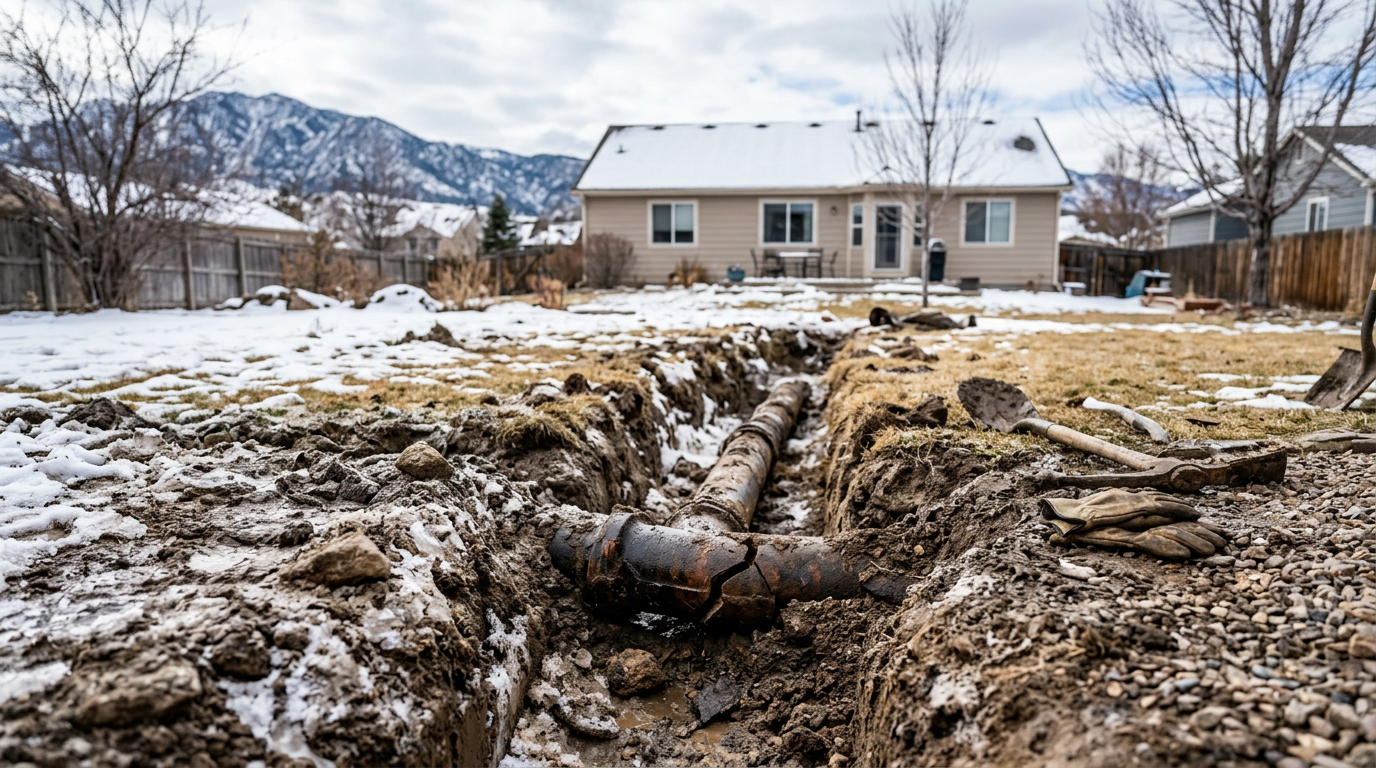
A cracked or leaking pipe. Cracks and open joints let gases escape inside walls, under floors, or into the yard. Outdoor sewer smell, especially along the path of the buried line, deserves prompt attention.
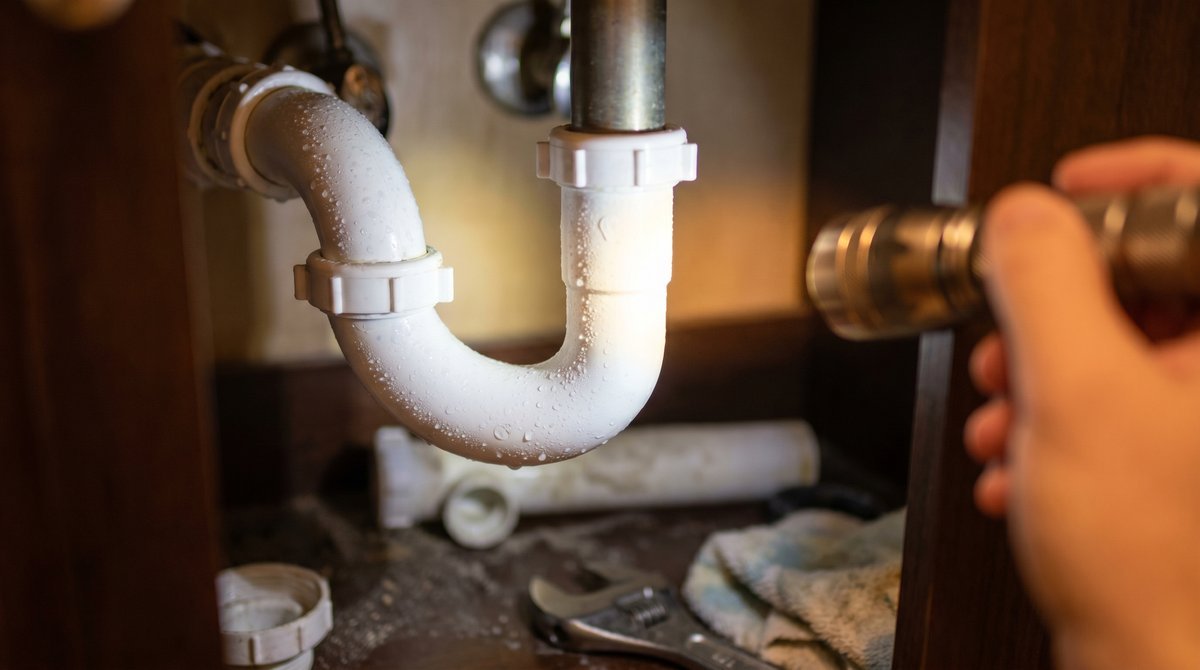
The water seal in a P-trap is the only thing between your living space and the sewer line.
Additionally, the smell outside often comes with visual evidence: soggy spots, a depression, or a stripe of grass greener than everything around it, fed by what is leaking below.
When Gurgling Drains and Sewer Smells Show Up Together
Gurgling drains and sewer smells together are the combination to take seriously. It usually means a developing main line restriction is both trapping air and pushing gases back into the house. These are two of the earliest entries on our checklist of signs you need sewer line repair, and they tend to show up before the dramatic ones: recurring backups, multiple slow drains, and eventually sewage where it should never be.
In other words, early is the cheap stage. A line caught while it gurgles is often still a candidate for cleaning or trenchless repair without digging. A line ignored until it fails may not be.
What to Do Next About Gurgling Drains and Sewer Smells
Rule out the simple stuff. Run water into rarely used drains to refill dry traps. If a single fixture gurgles after its own use, a local cleaning may solve it.
Watch the pattern for a few days. Cross-fixture gurgling, low-drain symptoms, or returning odors mean the problem is in the shared line.
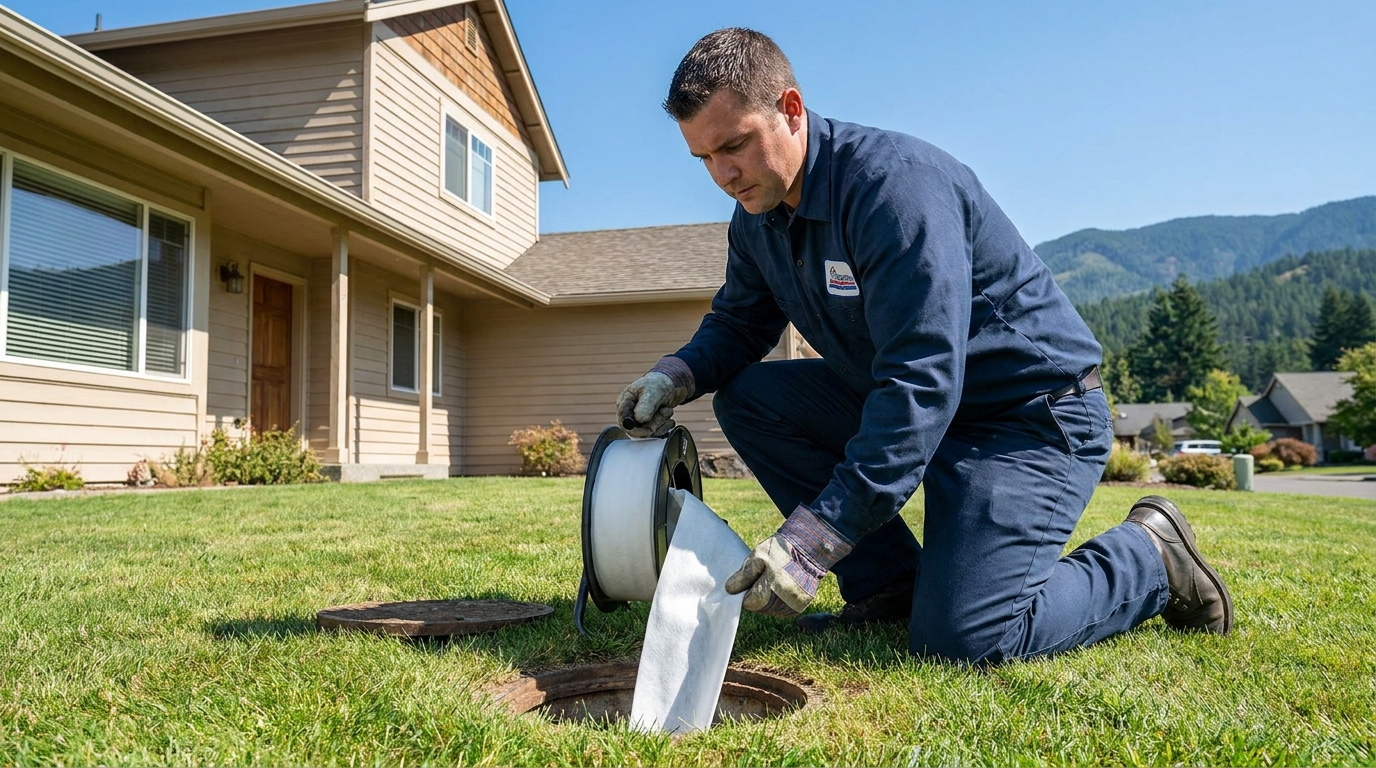
Get eyes inside the pipe. An HD sewer camera inspection shows exactly what is causing the restriction: buildup, roots, a crack, an offset, or a belly. No guessing, no exploratory digging.
Match the fix to the finding. Buildup and roots may only need hydro jetting. Structural damage points to lining the pipe so the problem stops coming back.
Frequently Asked Questions
Is an occasional gurgle normal?
A rare, isolated gurgle after heavy use is usually nothing. However, a gurgle you can reproduce, that happens across fixtures, or that gets more frequent is a developing restriction announcing itself.
Are sewer smells dangerous?
Sewer gas is unpleasant and not something you want accumulating indoors. First, ventilate the area and refill any dry traps. If the smell persists or returns, have the line inspected promptly.
Can I just pour drain cleaner down a gurgling drain?
Chemical cleaners address soft clogs near the fixture, not main line restrictions, roots, or structural damage, which is what cross-fixture gurgling usually indicates. In short, if the symptom pattern points to the main, you need a camera, not a bottle.
Stop the Gurgling Drains and Sewer Smells for Good
Gurgling drains and sewer smells mean your sewer line is already talking. Fortunately, a camera inspection translates. Alphalete Trenchless Services inspects before recommending anything, then explains whether your line needs cleaning, repair, or just monitoring.