Quick answer: The cracked vs collapsed sewer pipe difference comes down to shape. A cracked pipe still holds its shape, so a trenchless CIPP liner can often repair it from the inside. A collapsed sewer pipe has lost its shape and blocked the line, and the failed section usually needs excavation or replacement. A sewer camera inspection is the only way to know which one you have.
When a plumber says your sewer line is “damaged,” the most important follow-up question is: cracked or collapsed? Those two words point to very different repairs, timelines, and costs. Here is the difference, how each one behaves, and what your options look like in both cases.
What Is a Cracked Sewer Pipe?
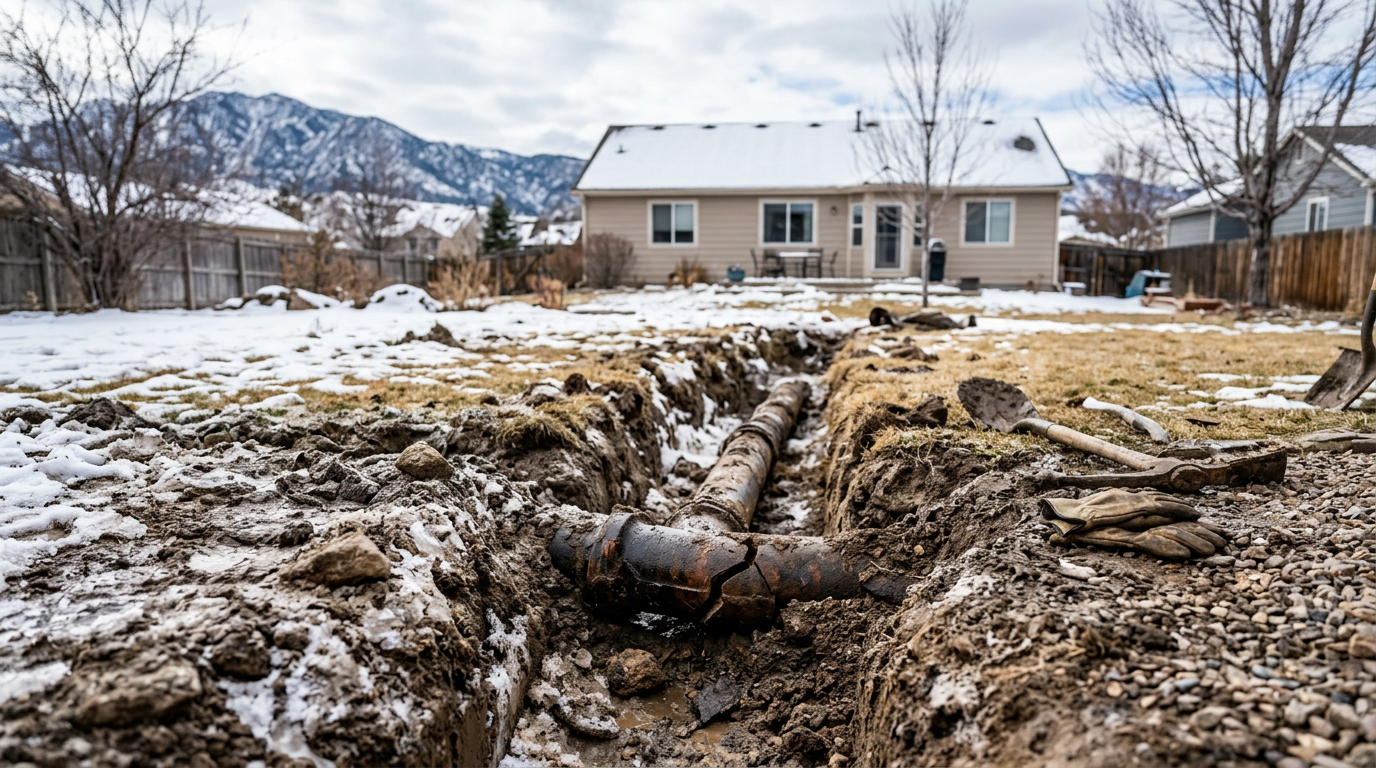
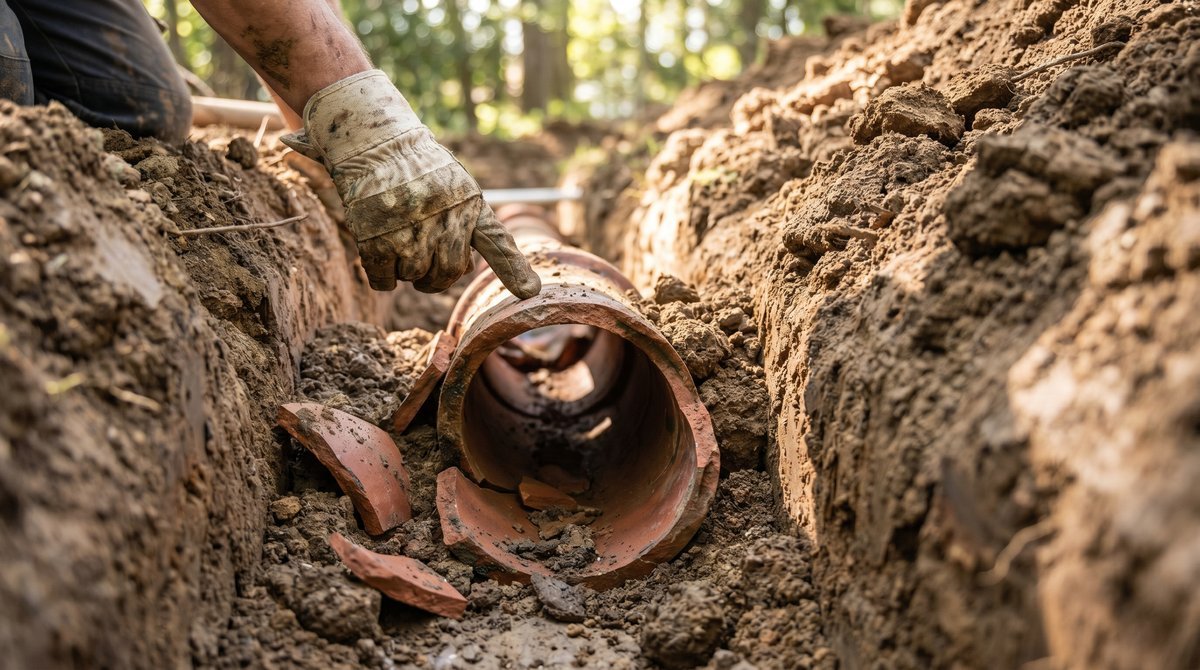
A cracked pipe has splits, fractures, or open joints in the pipe wall, but the pipe is still round and still carrying wastewater. Think of it as a leaking, vulnerable pipe rather than a failed one.
Cracks develop from age, soil movement, root pressure, and corrosion. In Colorado, expansive clay soil and freeze-thaw cycles shift buried lines season after season. Homes built before the 1970s often have clay or cast iron pipes that crack and corrode as they age. We cover the local factors in Why Colorado Springs Sewer Lines Clog and Crack.
The danger of a cracked pipe is what comes next. Cracks let tree roots and groundwater in and let wastewater out. Roots widen the cracks, catch debris, and trigger the recurring clogs that homeowners usually notice first. Left alone, a cracked pipe tends to deteriorate toward the second category.
What Is a Collapsed Sewer Pipe?
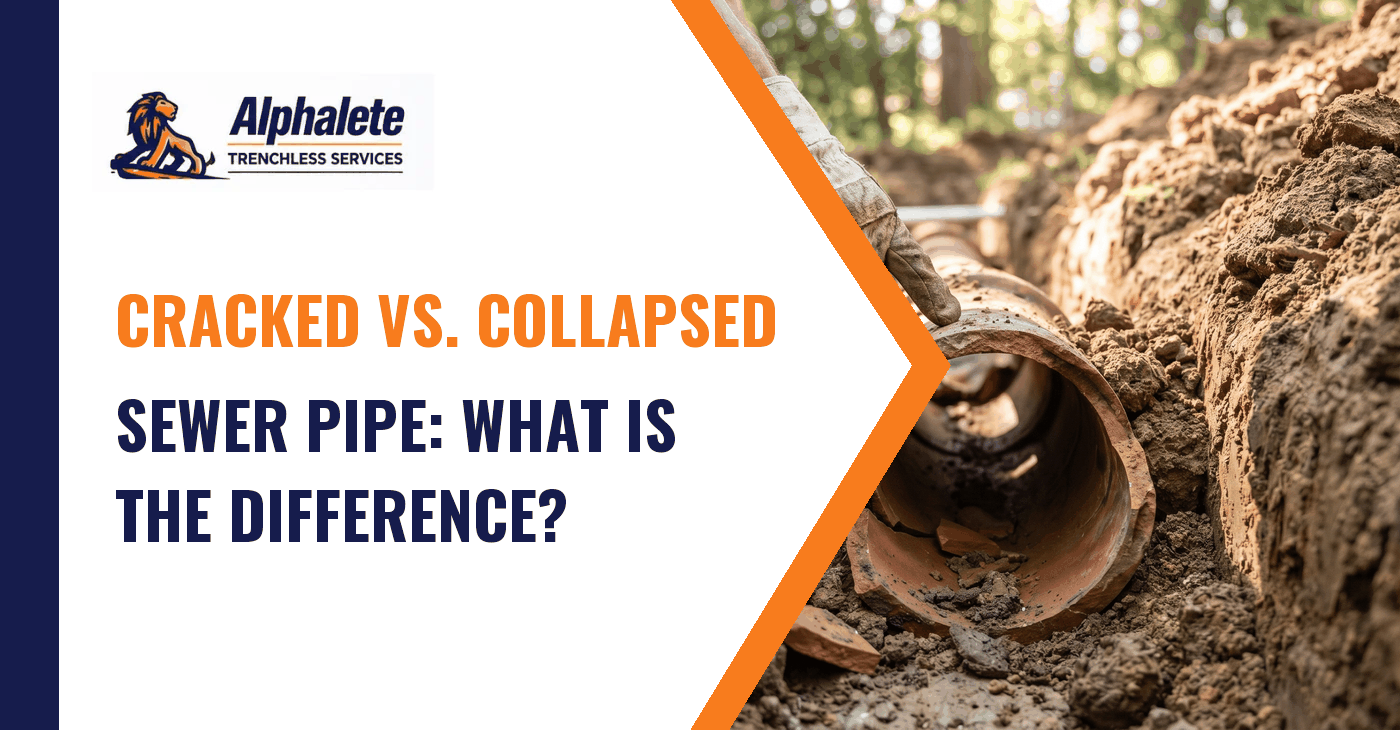
A collapsed sewer pipe has structurally failed. A section has caved in, deformed, or broken apart so that the channel is partially or completely blocked. Wastewater cannot reliably get past the failure point, which is why collapse often announces itself as a sudden, total problem. Sewage backs up into the home, multiple fixtures go out of service at once, or a sinkhole forms in the yard above the failed section.
Collapse is usually the end stage of damage that started smaller: a crack that grew, a root mass that kept expanding, a corroded cast iron line that finally gave way, or a joint that soil movement pulled apart.
Cracked vs. Collapsed Sewer Pipe Symptoms: Telling Them Apart
You cannot diagnose a buried pipe from the surface, but the pattern of symptoms gives a strong hint:
- Cracked pipe symptoms build gradually. Recurring clogs in the same line, slow drains that keep coming back after snaking, gurgling sounds, sewer odors, and unusually green or soggy patches along the pipe’s path. These are the classic signs you need sewer line repair.
- Collapsed pipe symptoms are sudden and severe. Sewage backing up into tubs or floor drains, every flush making things worse, nothing draining, and in some cases sunken ground or a depression in the yard.
The overlap is real, though. A bad root blockage can mimic a collapse, and a partial collapse can masquerade as a recurring clog for a while. That is why the diagnosis comes from a camera, not a guess.
The Repair Difference: Why the Distinction Matters
The cracked vs. collapsed question matters because it usually decides whether your repair can be trenchless.
Cracked Pipes: Usually Lining Territory
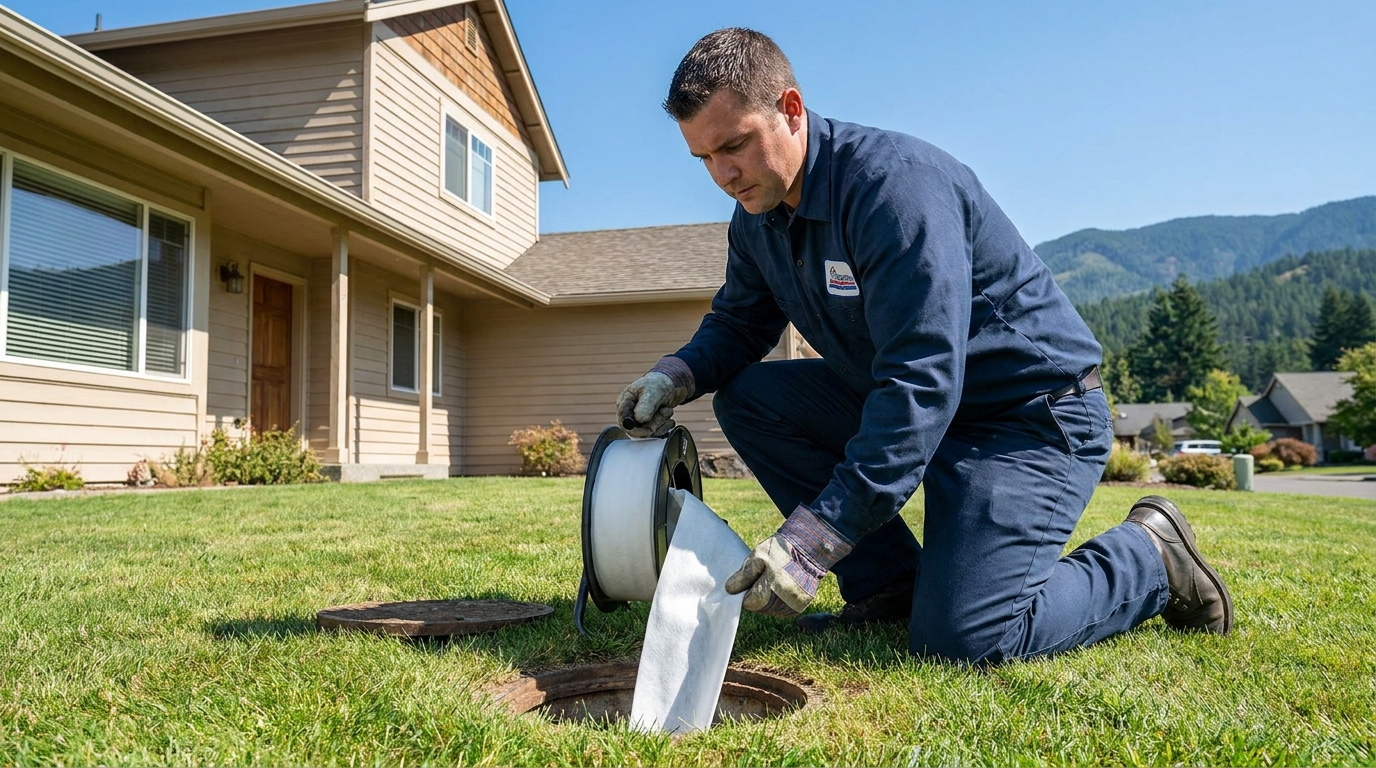
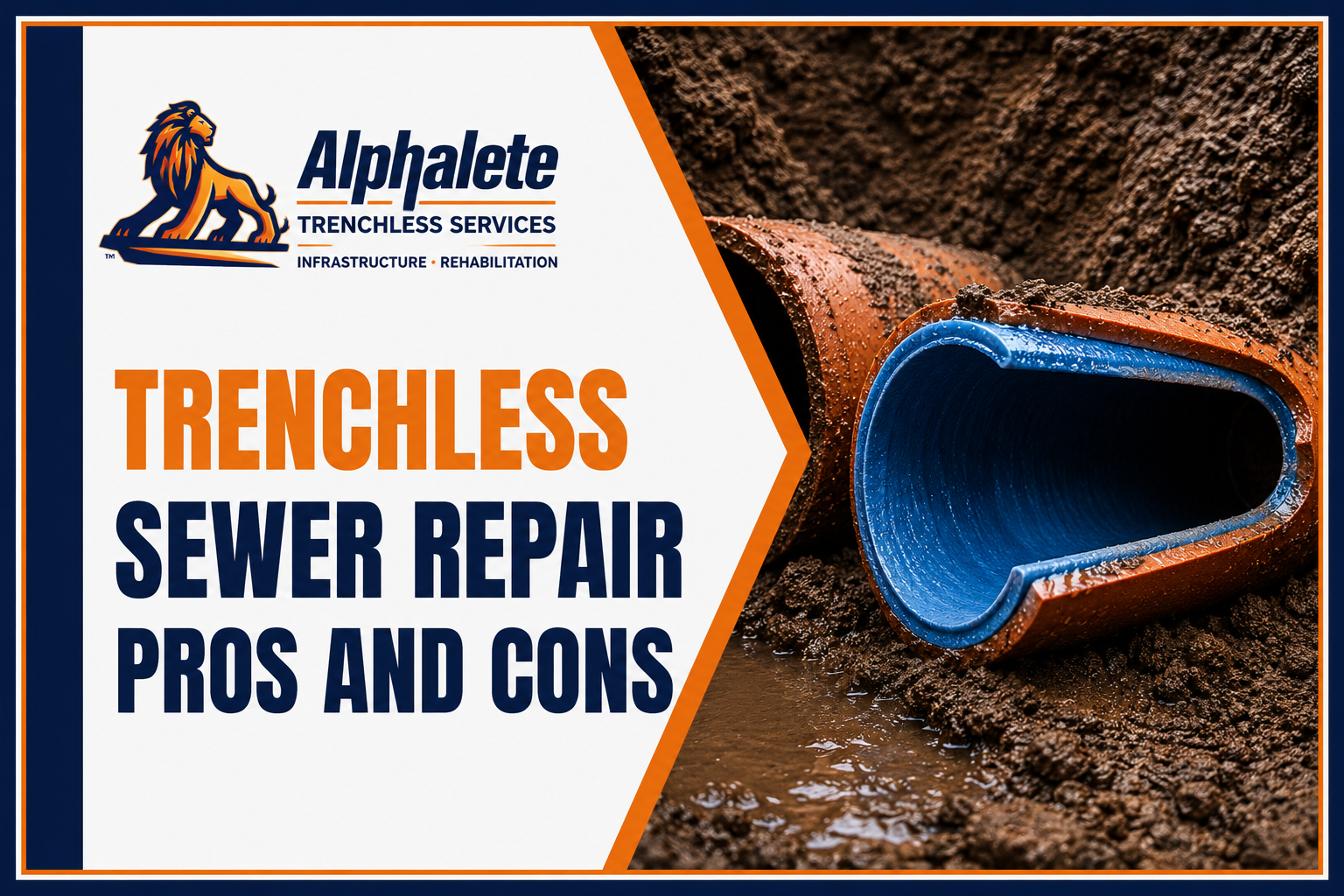
CIPP lining repairs a cracked pipe from the inside. First, a camera inspection confirms the pipe still holds its shape, and hydro jetting clears out roots and buildup. The crew then installs a resin-saturated liner and cures it in place. The cured liner seals the cracks and joints where roots and water were getting in. The result is a new structural pipe wall inside the old line, with little to no digging. We explain the full process in What Is Trenchless Sewer Repair and How Does It Work?
Collapsed Pipes: The Failed Section Needs More
A liner needs an open channel to travel through and a pipe shape to cure against. A fully collapsed section offers neither, so that section typically needs excavation and replacement, or another method if conditions allow.
The good news: collapse usually affects one section, not the whole line. A common outcome is a hybrid repair. A spot excavation replaces the collapsed section, and lining rehabilitates the rest of the run. That keeps digging to one small area instead of a trench across the whole yard. Our trenchless vs. traditional sewer repair comparison walks through how those decisions get made.
Cracked or Collapsed Sewer Pipe: Find Out Which One You Have
Telling a cracked pipe from a collapsed sewer pipe is not a judgment call. A camera can show you which one you have in under an hour. Alphalete Trenchless Services starts every project with an HD sewer camera inspection. Then we explain exactly what the line needs: lining, a spot repair, or a combination.
Service Areas
Trenchless Sewer Repair Service Areas in Colorado
We repair failing sewer lines from the inside for property owners throughout Colorado. Find trenchless sewer repair in your area below.
Alphalete provides trenchless sewer repair in Colorado Springs, Denver, and surrounding Colorado communities. Schedule a free video inspection or call (719) 787-7746.
Frequently Asked Questions
Can a cracked sewer pipe wait?
It will not get better on its own. Cracks are how roots and groundwater enter, and both make the damage worse over time. A cracked pipe caught early is a candidate for no-dig lining. The same pipe after years of root growth may not be. Earlier is cheaper and less invasive.
Will drain cleaning fix a cracked pipe?
Cleaning clears the symptoms, not the cause. Hydro jetting can remove the roots and buildup that a crack let in, and that may restore flow for a while. But until the crack itself is sealed, the cycle repeats. That is why recurring clogs after cleaning are a red flag for structural damage.
How do you confirm a collapsed sewer pipe?
With an HD sewer camera. The camera shows whether the line is cracked, deformed, root-blocked, or truly collapsed. It also pinpoints the location and depth, so we can plan the repair precisely instead of digging to explore.
Does insurance cover a cracked or collapsed sewer line?
It depends entirely on your policy and the cause of the failure. Review your policy and talk to your insurer; a camera inspection report documenting the damage is useful either way.