Tree Roots in Sewer Line? What Homeowners Should Know
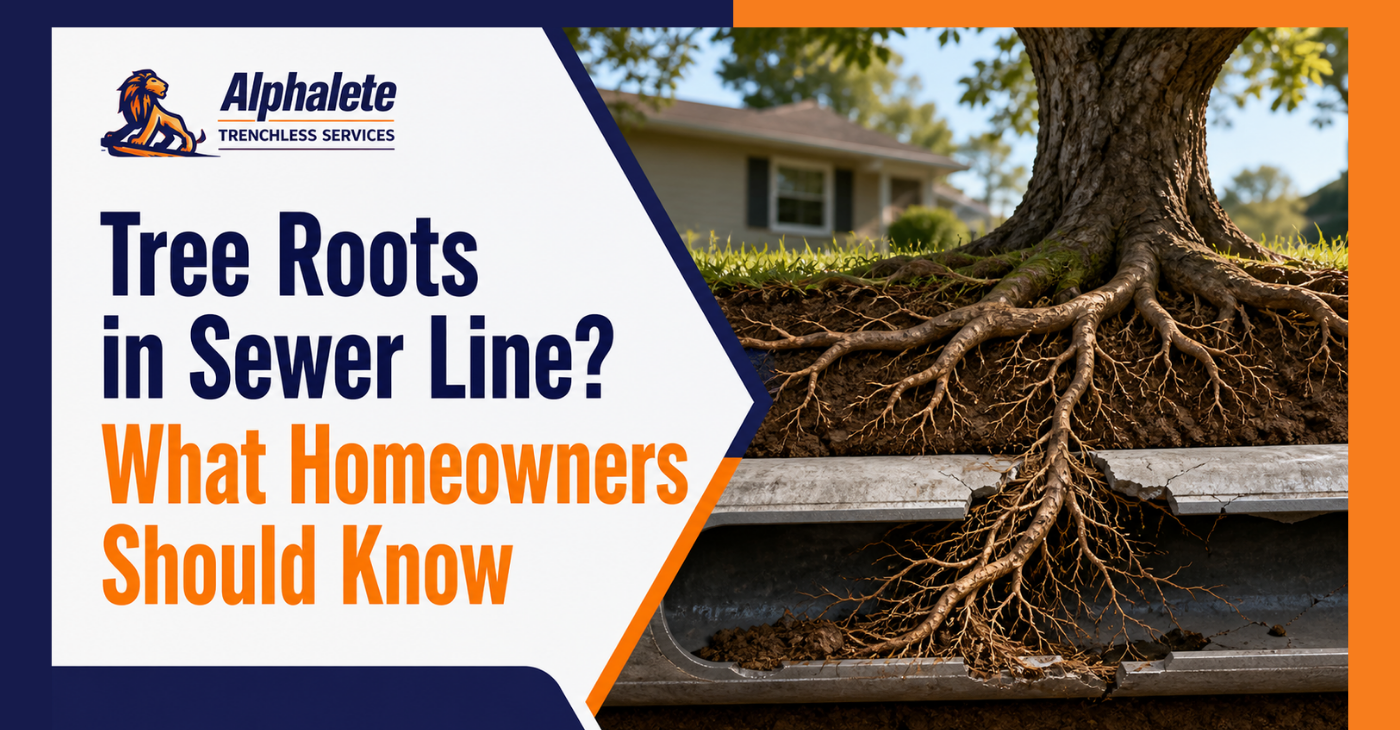
Tree roots in sewer line pipes are one of the most common causes of recurring sewer backups, slow drains, and hidden pipe damage. Roots naturally search for moisture, and even a small crack, loose joint, or opening in a sewer line can attract them into the pipe.
Once roots enter the sewer line, they can spread quickly, catch debris, restrict flow, and eventually cause serious sewer problems. For Colorado homeowners and property managers, the good news is that root intrusion does not always mean the entire yard has to be dug up.
Alphalete Trenchless Services helps homeowners and businesses identify and repair root-damaged sewer lines with sewer camera inspection, hydro jetting, drain cleaning, and trenchless CIPP pipe lining.
How Tree Roots Damage Sewer Lines
Tree roots usually enter sewer lines through small openings. This can happen through cracked pipe sections, old clay pipe joints, offset connections, deteriorated pipe material, or gaps caused by shifting soil.
Once inside, roots continue growing because the sewer line provides water and nutrients. Over time, sewer line root intrusion can lead to slow drains, recurring backups, sewer odors, standing water in the yard, and main sewer line blockages.
At first, roots may only cause a small restriction. But as they grow, they can form a dense mass inside the pipe. That root mass catches toilet paper, grease, sludge, and debris, creating repeated clogs that keep coming back after basic drain cleaning.
Signs of Tree Roots in Sewer Line Pipes
The most common signs of tree roots in sewer line pipes include slow drains, recurring sewer backups, and sewer smells. If one sink or tub is slow, the issue may be isolated. But if multiple drains are slow at the same time, the problem may be deeper in the main sewer line.
You may have root intrusion if you notice:
- Toilets bubbling or backing up
- Water backing up into tubs, showers, or floor drains
- Drains that clog again shortly after snaking
- Sewer odor around the home or yard
- Large trees near the sewer line
- Wet or sunken areas in the lawn
- A history of older clay, cast iron, or deteriorated sewer pipe
The only way to confirm the issue is with a sewer camera inspection. A camera inspection allows a technician to see the inside of the pipe and identify roots, cracks, pipe bellies, broken sections, or buildup before recommending a repair.
Why Snaking Alone May Not Fix Root Intrusion
A drain snake can sometimes punch through a root blockage and restore temporary flow. The problem is that snaking often does not fully clean the inside walls of the pipe or solve the opening where roots entered in the first place.
That means the line may drain better for a while, but the roots can grow back. If the pipe still has cracks, open joints, or damage, roots may continue entering the sewer line.
This is why recurring root problems usually need more than a temporary clog removal. In some cases, professional drain cleaning may help clear the blockage, but a long-term repair may be needed if roots are entering through damaged pipe.
Hydro Jetting Tree Roots
Hydro jetting tree roots is often used when roots, sludge, grease, and debris need to be cleared from the sewer line. Hydro jetting uses high-pressure water to scour the inside of the pipe and flush out buildup.
For root intrusion, hydro jetting may be used to:
- Cut through root growth
- Clear root debris from the pipe
- Remove grease, sludge, and scale
- Restore better flow
- Prepare the pipe for trenchless lining
Alphalete typically uses a camera inspection before hydro jetting to check the pipe condition. This matters because older or severely damaged pipes may need a different repair plan if the pipe is too fragile.
Root Removal from Sewer Line Pipes
Root removal from sewer line pipes is the first step, but it is not always the final fix. Removing the roots can clear the blockage, but if the pipe has cracks or open joints, roots may return.
A complete root intrusion sewer repair plan may include:
- Sewer camera inspection
The line is inspected to locate the roots and check the condition of the pipe. - Drain cleaning or hydro jetting
Roots, sludge, grease, and debris are removed from the sewer line. - Repair recommendation
The technician determines whether the pipe needs cleaning only, spot repair, trenchless lining, or another repair method. - Trenchless sewer lining, if appropriate
If the existing pipe is a good candidate, a CIPP liner can be installed inside the old pipe to create a new structural pipe within the existing line.
Sewer Line Repair Without Digging
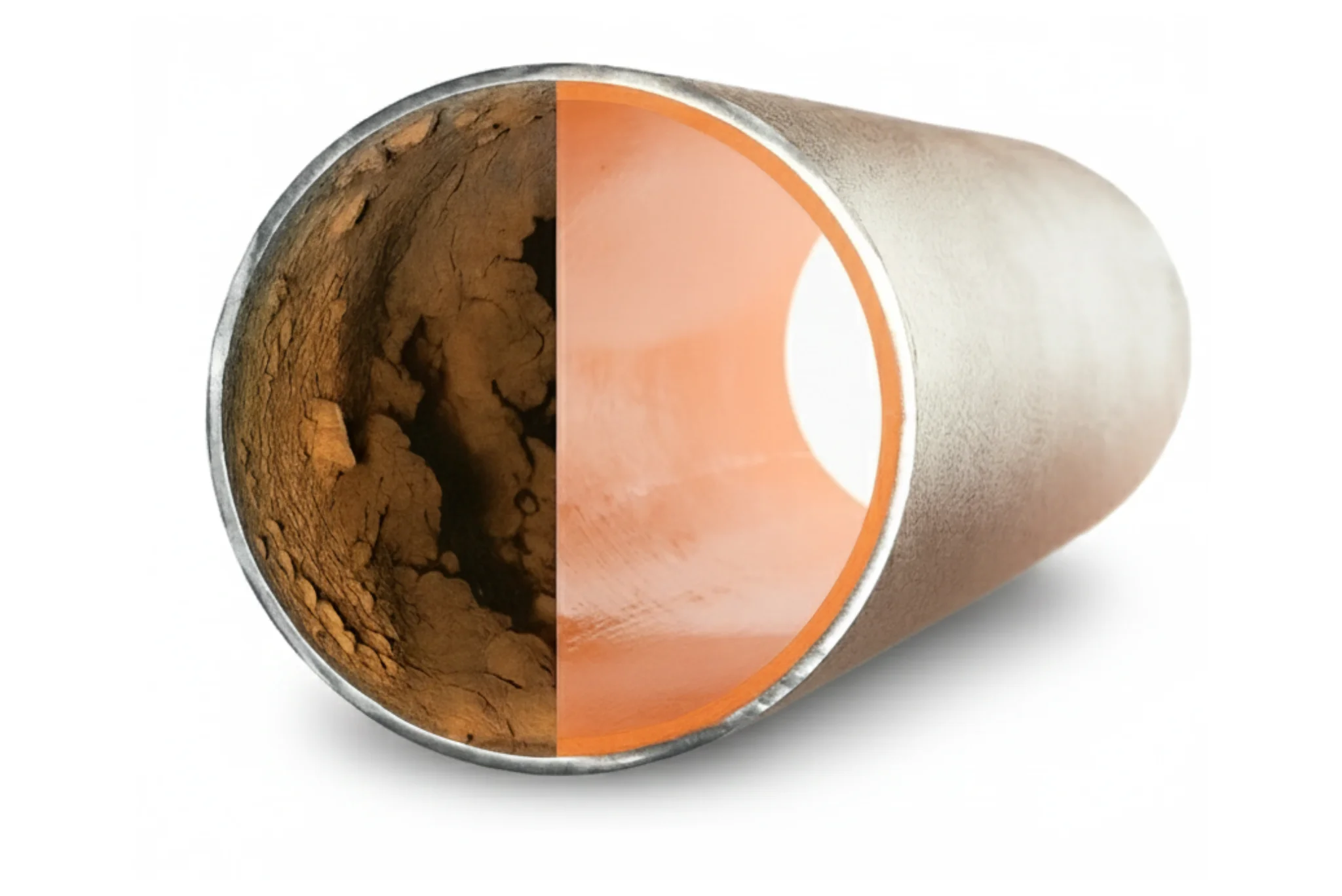
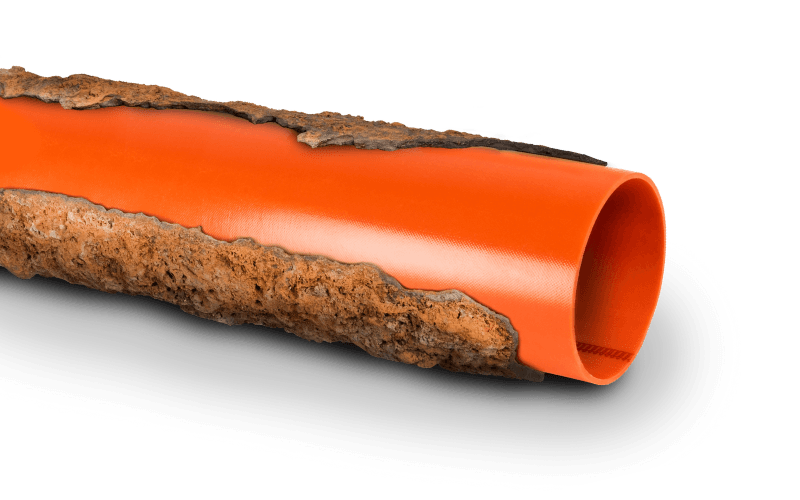
Sewer line repair without digging is possible in many root intrusion cases when the pipe still has enough structure to support trenchless lining. Instead of excavating the entire sewer line, trenchless CIPP pipe lining repairs the pipe from the inside.
A resin-saturated liner is inserted into the existing sewer line and cured in place. Once hardened, it forms a strong new pipe inside the old one. This helps seal cracks and joints where roots were entering, restore flow, and extend the life of the sewer system.
For homeowners, the biggest benefit is reduced property damage. Traditional sewer replacement can require digging through yards, landscaping, driveways, patios, sidewalks, or concrete. Trenchless lining is designed to minimize excavation and avoid unnecessary disruption when the pipe condition allows it.
When Trenchless Repair Is a Good Fit
Trenchless sewer repair may be a good fit if your sewer line has:
- Tree root intrusion
- Cracks or small breaks
- Leaking joints
- Aging pipe material
- Recurring backups
- Sewer issues under landscaping, concrete, patios, or driveways
- Enough existing pipe structure to support a liner
A camera inspection is required to confirm whether lining is the right option. If the pipe is fully collapsed or severely misaligned, another repair method may be needed.
Why Colorado Homeowners Choose Alphalete
Alphalete Trenchless Services helps homeowners and businesses repair sewer and drain lines with minimal excavation. The team uses HD sewer camera inspections, hydro jetting, drain cleaning, and CIPP trenchless pipelining to diagnose and repair sewer problems from the inside out.
For sewer line root intrusion, Alphalete can inspect the line, remove roots when appropriate, and recommend a long-term repair plan instead of relying on repeated temporary fixes. Their trenchless lining solutions are designed to protect yards, driveways, concrete, and landscaping while creating a long-lasting sewer repair backed by a 20-year warranty.
If you are in the Colorado Springs area, Alphalete also provides sewer camera inspections in Colorado Springs to help locate root intrusion, cracked pipes, recurring backups, and other hidden sewer line problems.
FAQs About Tree Roots in Sewer Lines
What are the signs of tree roots in sewer line pipes?
Common signs include slow drains, recurring sewer backups, gurgling toilets, sewer odors, and clogs that keep coming back after cleaning. A sewer camera inspection can confirm whether roots are inside the pipe.
How do tree roots damage sewer lines?
Tree roots enter through cracks, loose joints, or damaged pipe sections. Once inside, they grow through the sewer line, catch debris, restrict flow, and can worsen existing pipe damage.
Can hydro jetting remove tree roots?
Yes. Hydro jetting can cut through root intrusion and flush root debris from the sewer line. It can also remove grease, sludge, and buildup from the inside walls of the pipe.
Is sewer line repair without digging possible for root intrusion?
Yes, in many cases. If the pipe still has enough structure, trenchless CIPP lining can repair the damaged sewer line from the inside and help seal the areas where roots entered.
Will roots come back after drain cleaning?
They can. Drain cleaning or snaking may clear the blockage, but roots can return if the cracks, joints, or openings in the pipe are not repaired.
What should I do if I suspect sewer line root intrusion?
Schedule a sewer camera inspection. The inspection will show the exact location and severity of the root intrusion so the right repair plan can be recommended.
Call Alphalete for Root Intrusion Sewer Repair
If you are dealing with tree roots in sewer line pipes, recurring backups, or slow drains, call Alphalete Trenchless Services at +1 720-807-3224.
Alphalete serves Colorado Springs, Denver, and surrounding Colorado communities with sewer camera inspections, hydro jetting, drain cleaning, and trenchless sewer line repair without digging.
You can also schedule a sewer inspection to find out what is happening inside your sewer line before choosing a repair option.