Quick answer: Hydro jetting cast iron pipes is safe when the pipe is structurally sound, and the way professionals confirm that is a camera inspection before any jetting happens. Performed correctly on a sound pipe, the pressure is calibrated to clean the pipe wall, not harm it. If the camera shows a badly cracked or deteriorated line, a good contractor will not jet it, and will recommend repair instead.
It is a fair worry. Your house has sixty-year-old cast iron drains, and someone is proposing to blast high-pressure water through them. Will the cure be worse than the clog? Here is how the question actually gets answered, and why “inspect first” is the entire safety story.
Hydro Jetting Cast Iron: Why Old Pipes Raise the Question
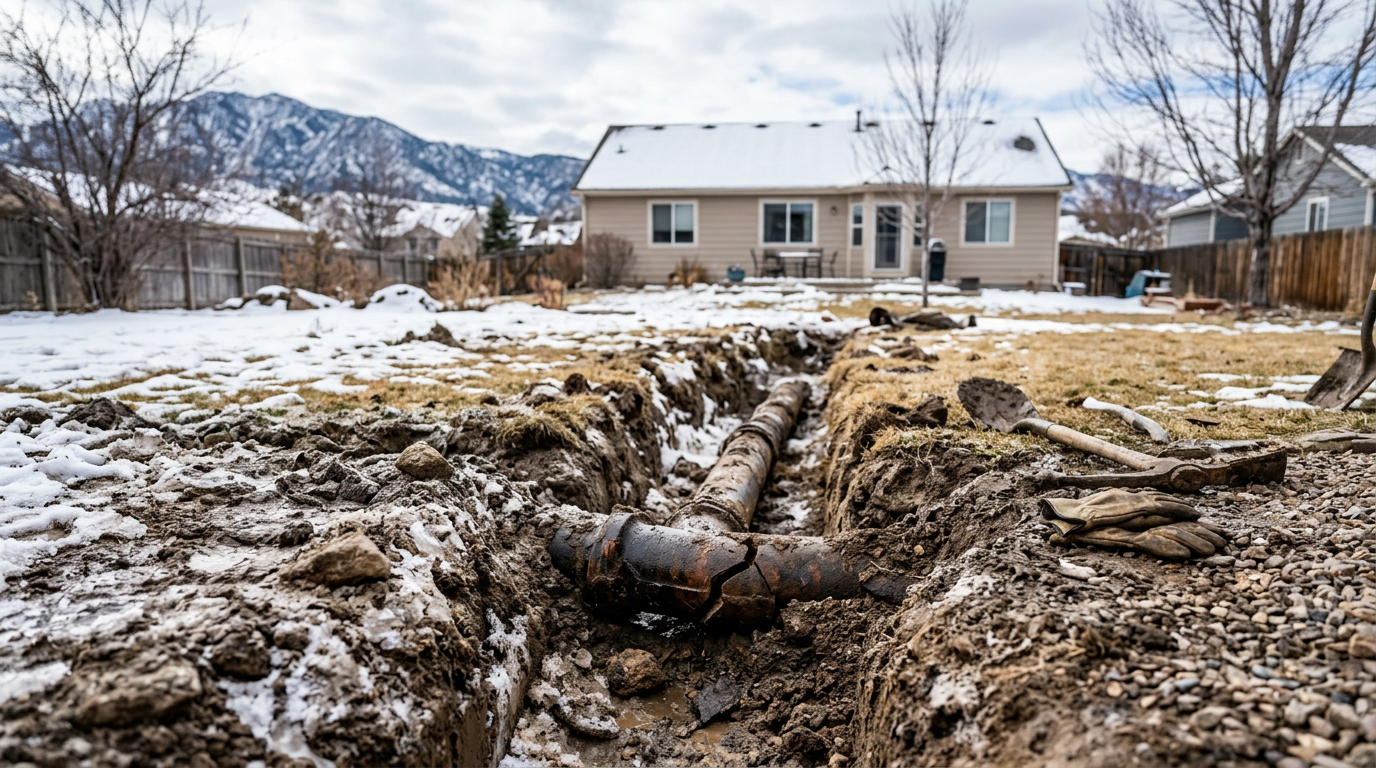
Cast iron and clay lines, common in homes built before the 1970s, age in predictable ways. Cast iron corrodes from the inside, developing rough, scaly walls and thin spots. Clay stays inert but its joints loosen, and the segments crack under soil movement. Both materials can reach a state where they are more damage than pipe.
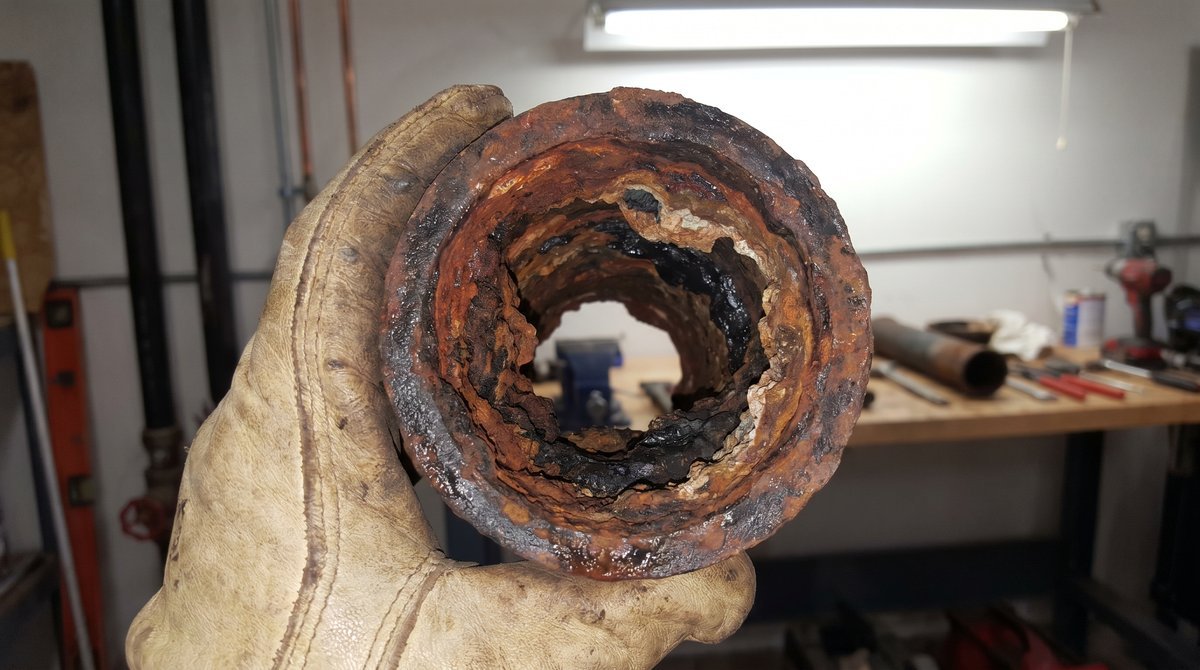
So the concern is legitimate: pressure that is harmless to a sound pipe is a different proposition for a wall that is already compromised. The answer is not to avoid cleaning old pipes. It is to never clean blind.
When Is Hydro Jetting Cast Iron Pipes Safe? The Camera Decides
However, age alone does not disqualify a pipe. Plenty of decades-old cast iron lines are structurally sound and tolerate jetting without issue, and they often need cleaning more than newer pipe because their rough interior catches grease and debris faster.
That is why Alphalete runs an HD sewer camera inspection before every jetting job. The camera shows the actual condition of your actual pipe: how much wall is left, where the cracks are, whether joints are open, and what the buildup consists of. The jetting decision follows the evidence:
- Sound pipe with buildup or roots: jet it. The line gets scrubbed clean, and a second camera pass verifies the result.
- Localized damage in an otherwise sound line: clean carefully and talk about sealing the damaged section before it spreads.
- Badly cracked, thin, or deteriorated pipe: do not jet. Jetting a failing pipe will not fix it, and the honest recommendation is repair, usually trenchless lining.
Why Jetting Often Helps Old Pipes Specifically
In fact, there is an irony in the safety question: hydro jetting cast iron lines properly is exactly what aging pipe benefits from most.
- Corroded walls catch everything. The rough interior of aging cast iron snags grease, paper, and debris far faster than smooth pipe, which is why old lines clog chronically.
- Snaking does little for wall buildup. A cable punches a channel through the middle and leaves the scale and grease in place. Jetting cleans the walls themselves, restoring most of the pipe’s flow capacity. See Hydro Jetting vs. Drain Snake.
- Clean pipe is a prerequisite for repair. If the line does need lining, the pipe must be cleaned first so the liner can bond. Jetting is step one of the fix either way.
What About Chemical Drain Cleaners Instead?
If the goal is protecting old pipes, chemical cleaners are the wrong direction. Repeated chemical treatments sit in low spots of the line. Moreover, they do nothing about roots or wall buildup. Water under controlled pressure, applied to a camera-verified pipe, is the gentler option for aging lines, not the harsher one.
When the Answer Is “Don’t Jet, Repair”
Sometimes the camera shows a line past the cleaning stage: long cracks, missing wall sections, joints fully separated, or heavy root intrusion through multiple entry points. Jetting that pipe would clear the debris and leave a failing pipe behind.
That is the conversation a camera-first contractor can have honestly: the line needs structural help. Fortunately, CIPP lining rebuilds the pipe from the inside, creating a new smooth wall that seals cracks and root entry points, often without digging. If the camera shows cast iron at that stage, read Cracked vs. Collapsed Sewer Pipe to understand the options, and note the bonus: a lined pipe has a smooth interior that resists the chronic buildup that started the whole cycle.
Is Hydro Jetting Your Cast Iron Pipes Safe? Get the Real Answer
The safety question is not “is hydro jetting cast iron safe” in general. In short, it is “is jetting safe for MY pipe,” and that has a precise, visual answer. Alphalete Trenchless Services inspects before recommending anything, jets only what the camera clears, and tells you plainly when a line needs repair instead.
Service Areas
Hydro Jetting Service Areas in Colorado
We offer high-pressure hydro jetting across Colorado’s Front Range and mountain towns. Find your nearest service area below.
Alphalete provides hydro jetting in Colorado Springs, Denver, and surrounding Colorado communities. Schedule a free video inspection or call (719) 787-7746.
Frequently Asked Questions
Is my pipe too old to inspect?
No. The camera is passive observation, and it is precisely how fragile lines get identified safely. Whatever the pipe’s condition, the inspection is the safe first step.
Can jetting find problems the snake missed?
The camera before and after jetting is what finds problems. A cleaned line gives the camera a clear view of the pipe wall, which is when cracks, thin spots, and open joints become visible. In practice, many structural problems are discovered exactly this way.
My old line keeps clogging even after cleaning. Now what?
Recurring clogs in aging pipe usually mean the structure, not the schedule, is the problem: roots or debris re-entering through cracks and joints. See What Causes Recurring Sewer Line Backups? for the diagnosis path. Sealing the line with CIPP lining removes the entry points for good.
How often should old cast iron be cleaned?
Generally speaking, older, rougher pipe sits at the shorter end of the maintenance range. Our guide to how often you should hydro jet covers the factors, and the camera record from each cleaning refines the answer for your specific line.