Quick answer: How often should you hydro jet? Every 18 to 24 months keeps the line clean for most homes. Homes with large trees near the sewer path, heavy kitchen grease use, older pipes, or a history of backups may need it more often. And some homes do not need scheduled jetting at all. The right interval depends on what is actually accumulating in your line, which a camera inspection can show you.
Hydro jetting is not like an oil change with a fixed mileage sticker. The right frequency depends on what your line is up against: trees, grease, pipe age, and how the line has behaved historically. Here is how to answer “how often should you hydro jet” for your own line instead of guessing at one.
How Often Should You Hydro Jet? The 18 to 24 Month Baseline
As we noted in our complete hydro jetting guide, most homes do well with jetting every 18 to 24 months. That cadence keeps grease, soap scum, and sludge from accumulating to the point where clogs start forming, and it clears early root intrusion before it matures into a blockage.
But the baseline is just a starting point. The factors below move it in both directions.
What Shortens the Interval
Mature trees near the sewer line. Roots are the most common reason lines need attention more often. They re-enter through the same cracks and joints after every cleaning, so homes with established trees along the pipe path tend to need jetting sooner. If roots keep returning, that is a structural signal, more on that below.
A grease-heavy kitchen. Households that cook a lot, especially with fats and oils, rebuild wall buildup faster. Grease cools and hardens in the line no matter how hot the water you chase it with.
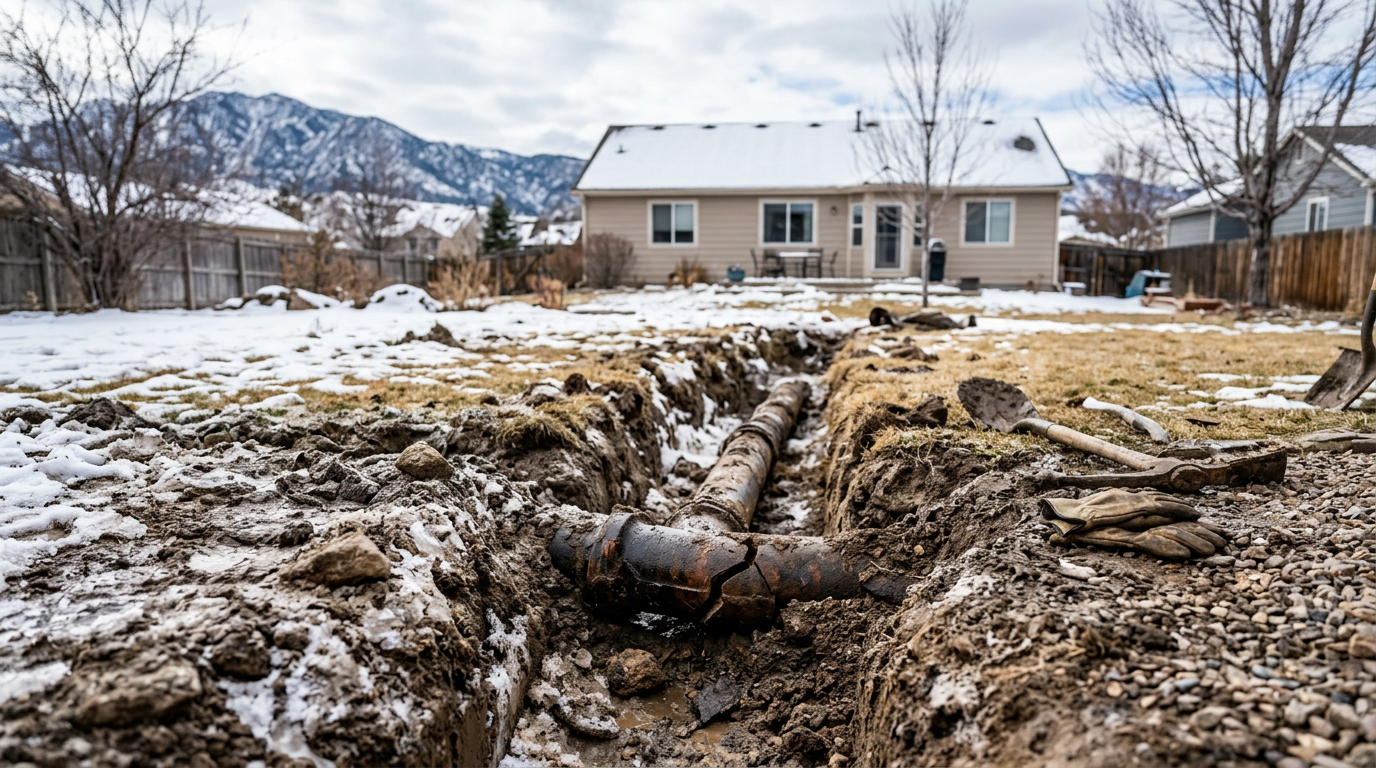
Older clay or cast iron pipes. Rough, corroded interior walls catch debris more easily than smooth pipe. Homes built before the 1970s often fall in this group.
A history of backups. A line that has already demonstrated it clogs is telling you its interval. If it backed up eighteen months after the last cleaning, do not schedule the next one at twenty-four.
Bellies or slow spots. Sections where water pools accumulate solids continuously and benefit from more frequent cleaning until the underlying sag is addressed.
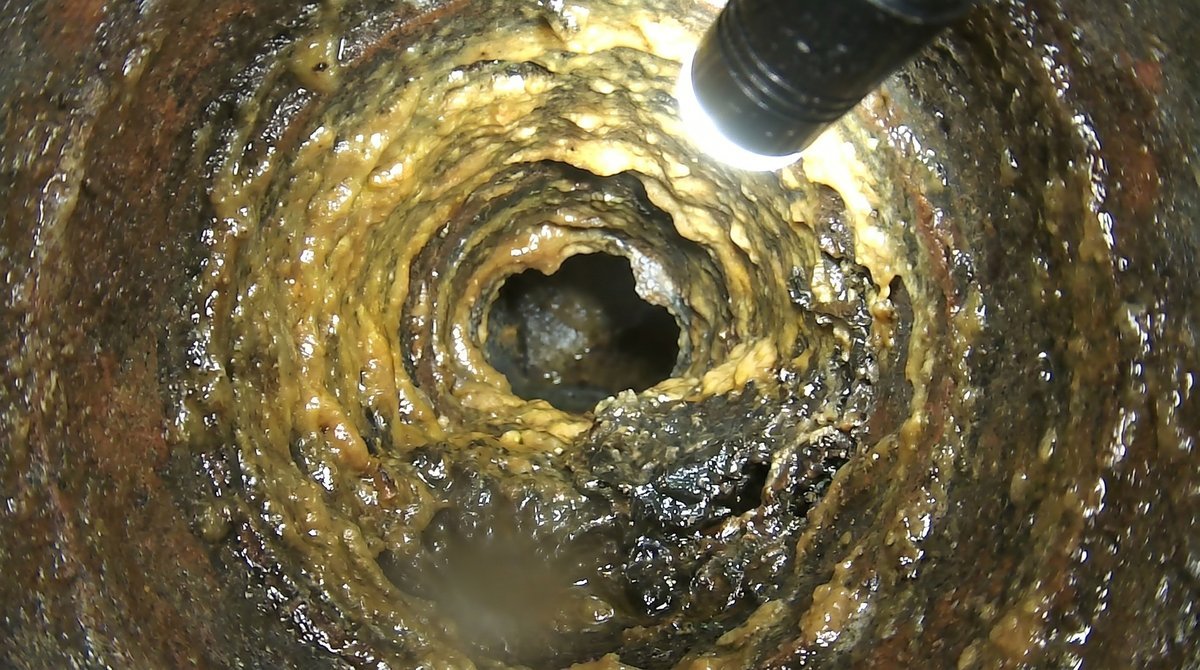
Grease and sludge narrow the line over time. The buildup rate is what sets your jetting interval.
What Stretches the Interval (or Eliminates It)
Newer, smooth pipe in good condition. PVC and recently lined pipes accumulate buildup slowly. A recently lined pipe has a brand-new smooth interior with sealed joints, which removes the root entry points that drive most repeat cleanings.
No trees near the line. No roots, no most-common-cause.
Careful drain habits. Keeping grease, wipes, and paper towels out of the line slows buildup dramatically.
No symptoms and a clean camera report. If an inspection shows clean walls and no intrusion, there is nothing to jet. Jetting a clean line buys you nothing.
When to Hydro Jet More Often: Signals, Not Just Schedule
Whatever your interval, the line gets a vote. These symptoms mean it is time regardless of the calendar:
Any backup, especially at the lowest drains in the house
If clogs keep recurring even with regular cleaning, frequency is not your problem. Something is rebuilding the blockage, usually roots entering through cracks, and the fix is sealing the entry points rather than cleaning more often. That diagnosis path is covered in What Causes Recurring Sewer Line Backups?
Why the Camera Sets the Schedule
Alphalete inspects before jetting, every time. The camera confirms the pipe is structurally sound enough to jet, shows how much buildup or root intrusion has actually accumulated, and verifies the result afterward. It also answers “how often should you hydro jet” with evidence: a line that comes back nearly clean at 24 months can stretch its interval, and a line already root-laced at 12 months needs a structural conversation, not a tighter cleaning schedule.
Maintenance jetting also pairs naturally with lining decisions. If the camera shows the same cracks readmitting roots cleaning after cleaning, CIPP lining can seal the line once and take root intrusion off your maintenance list entirely.
How Often Should You Hydro Jet Your Line? Find Your Interval
Service Areas
Hydro Jetting Service Areas in Colorado
Alphalete clears heavy buildup with hydro jetting for Colorado homes and businesses. See where we work below.
The honest answer to “how often should you hydro jet” lives inside your pipe. Alphalete Trenchless Services provides hydro jetting in Colorado Springs, Denver, and surrounding Colorado communities, with a camera inspection before and after every job. Schedule a free video inspection or call (719) 787-7746 to find out what your line actually needs and when.
Frequently Asked Questions
Can you hydro jet too often?
There is no benefit to jetting a clean line, so over-scheduling mostly wastes money. This is another reason inspection-first matters: it tells you whether there is anything in the pipe worth removing.
Is preventive jetting worth it, or should I wait for a clog?
Waiting for a clog means the warning comes as a backup, often at the worst time. For homes with known risk factors (trees, grease, older pipe, backup history), scheduled cleaning is cheaper than emergency calls and water damage. For low-risk homes, a periodic camera check can stand in for jetting itself.
How much does maintenance hydro jetting cost?
It depends on buildup severity, pipe length, and access. Every Alphalete job starts with a camera inspection so you get an exact price before any work begins. Details in How Much Does Hydro Jetting Cost in Colorado Springs?