If you are seeing a soggy patch of grass, a sunken spot, or catching a sewage smell in your yard, the most likely cause is a sewer line problem underground, not a lawn problem. Your main sewer line runs a few feet under the yard, and when it cracks, sags, separates at a joint, or lets in roots, the first evidence usually shows up outside on the surface: standing water, unusually green grass, a dip in the ground, or an odor.
This guide walks through what those outdoor signs mean, what commonly causes them along the Front Range, and how modern trenchless repair fixes the pipe without turning your landscaping into a construction site.
Alphalete Trenchless serves homeowners and businesses across Colorado Springs, Denver, and the surrounding Front Range. Every diagnosis starts with a camera inspection so you can see the actual condition of your line before any repair decision. To talk it through or get on the schedule, call (720) 807-3224 or learn about trenchless sewer repair in Colorado Springs.
Why sewer problems show up in the yard first
Most of your home’s sewer line runs horizontally underground from the house to the city main, passing right under the yard. When that pipe cracks, sags, separates, or gets invaded by roots, wastewater either escapes into the surrounding soil or backs up because it can no longer drain properly.
The yard is where the evidence collects. Escaped water saturates the soil, feeds the grass directly above the leak, and slowly washes away the dirt supporting the pipe. That is why a lawn problem is so often a plumbing problem in disguise.
A few local conditions make this more common in Colorado Springs than homeowners expect:
- Expansive clay soils. Much of the Front Range sits on soil that swells when wet and shrinks when dry, and the Colorado Geological Survey lists swelling soils as one of the state’s most significant and costly geologic hazards. That constant movement stresses pipe joints and can pull older lines out of alignment.
- Seasonal wet-dry and freeze-thaw swings. Colorado’s semi-arid climate means soil moisture changes sharply through the year. State hazard data notes that about half of Colorado’s soil has a high or very high shrink-swell potential, and repeated ground movement is hard on aging clay and cast iron pipe.
- Older neighborhoods with mature trees. Established parts of town pair decades-old sewer lines with large root systems that are actively looking for a water source, and your sewer line is often the most reliable water source in an otherwise dry yard. This is a big part of why Colorado Springs sewer lines clog and crack.
The most common signs of sewer line damage outside
Any one of these outdoor warning signs is a reason to get the line inspected.
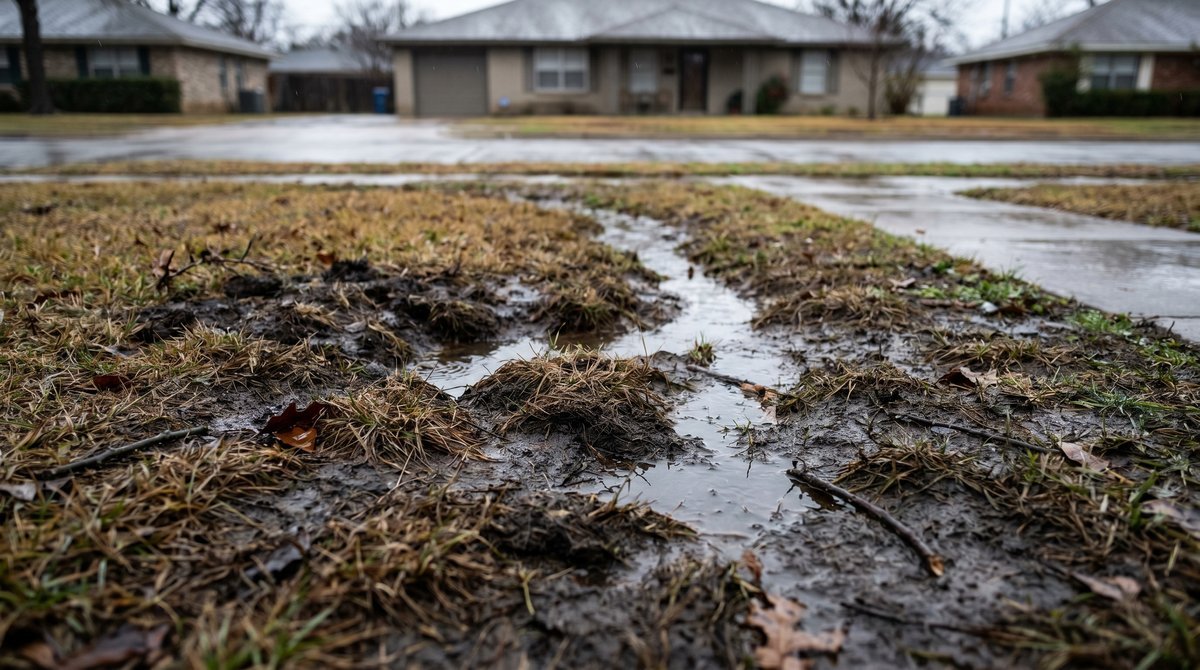
- A wet spot or soggy patch in the yard. A section of lawn that stays spongy, muddy, or waterlogged when it has not rained is one of the clearest signs of a sewer line leak underground. Wastewater escaping a cracked pipe rises toward the surface and keeps that patch saturated.
- Unusually green or fast-growing grass. Raw sewage acts like fertilizer. If one stripe or patch of lawn is noticeably greener, taller, or lusher than everything around it, the grass may be feeding on a leaking line directly beneath it.
- A sewage or rotten-egg smell outdoors. You should never smell sewage in your yard. That rotten-egg odor is hydrogen sulfide, the gas ATSDR describes as “sewer gas”, and a persistent outdoor version of it points to wastewater or sewer gas escaping from a compromised pipe below.
- A sunken spot, dip, or sinkhole. When a pipe leaks over time, it washes away the soil supporting the ground above it. Eventually the surface settles, sinks, or collapses into a void. A sudden depression over the line’s path can signal a badly deteriorated or collapsed pipe.
- Slow drains and gurgling inside, backing up outside. If several drains are slow at the same time, or toilets and tubs gurgle, the blockage is usually in the main line running through the yard, not at a single fixture. Left alone, a main-line issue eventually surfaces outdoors.
- Pooling water after heavy water use. If a low spot in the yard fills up shortly after you run the washing machine or take several showers, that timing is a strong sign the water is coming from your own sewer line rather than groundwater.
What causes these problems underground
The outdoor symptoms above usually trace back to one of these:
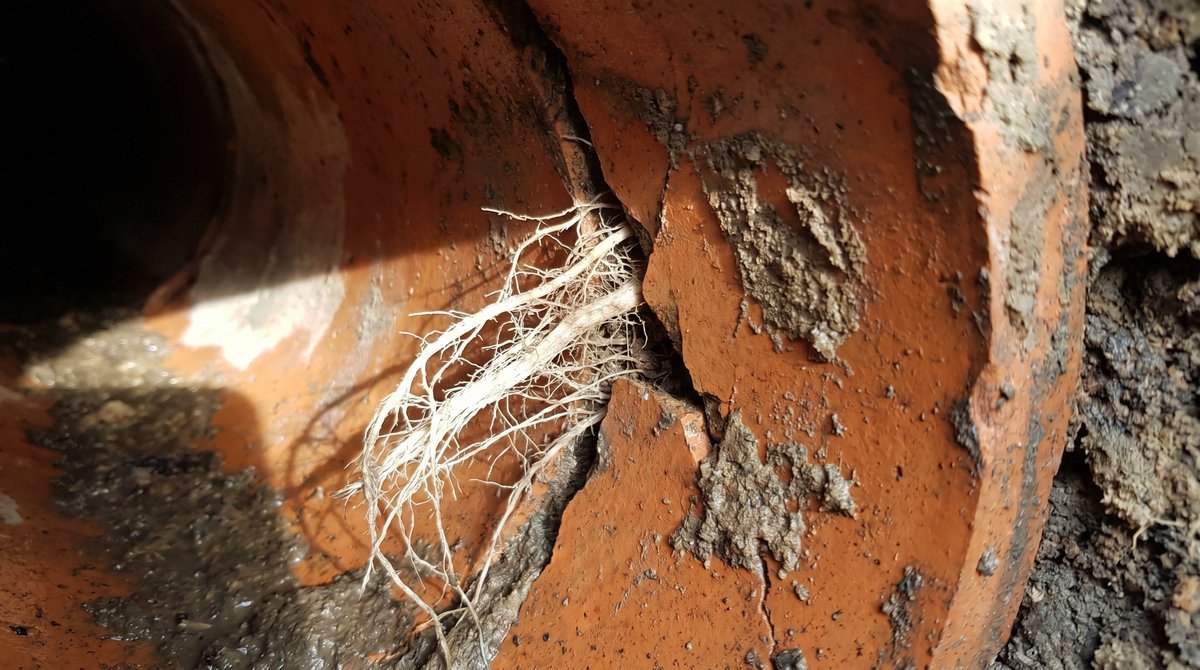
- Root intrusion. Roots find the smallest crack or loose joint, work their way in, and expand until they crack the pipe or block flow. Here is what homeowners should know about tree roots in a sewer line.
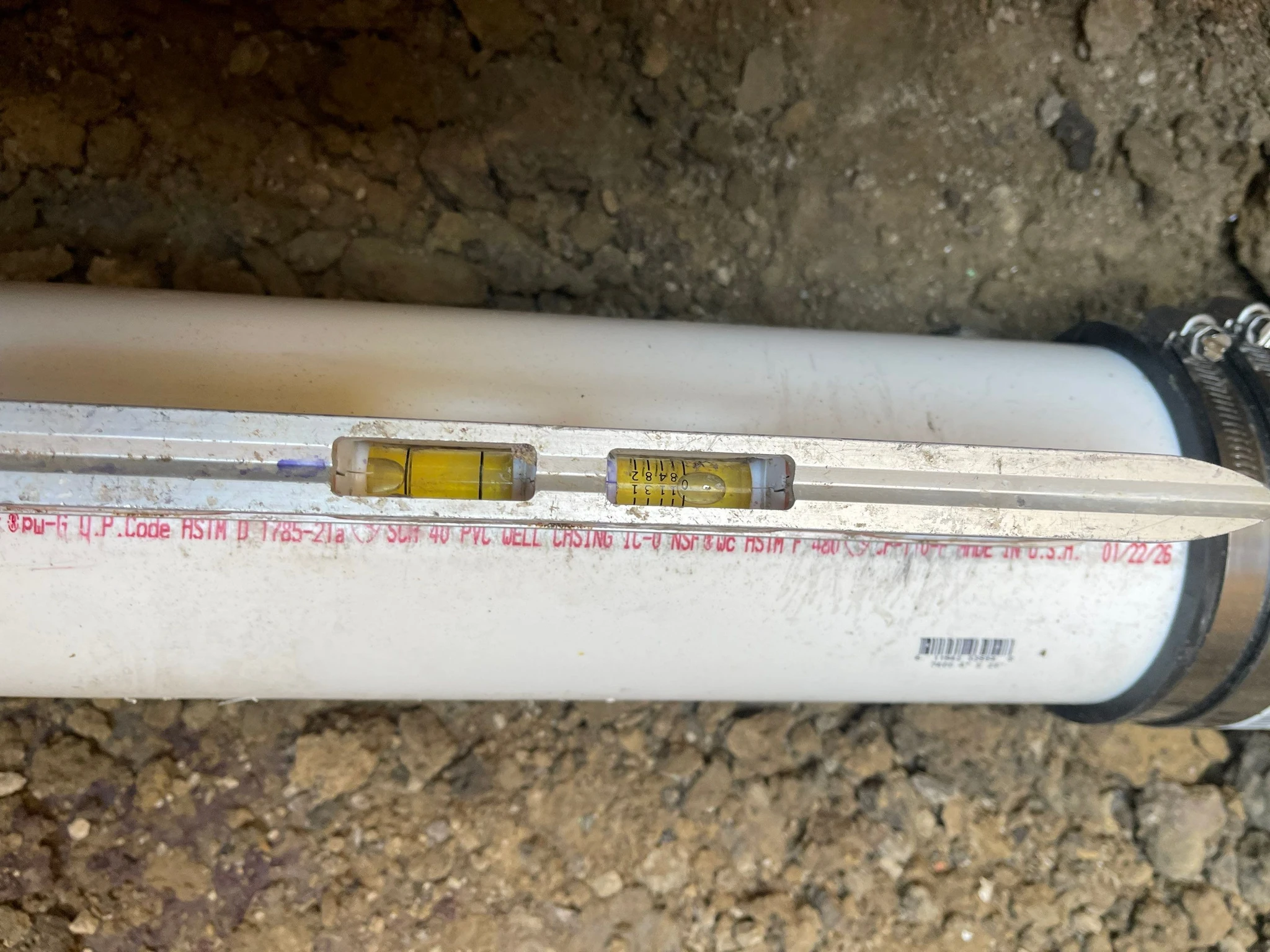
- A bellied (sagging) line. When a section of pipe sinks below its correct slope, waste pools in the low spot instead of draining, which causes repeat clogs and eventually cracks.
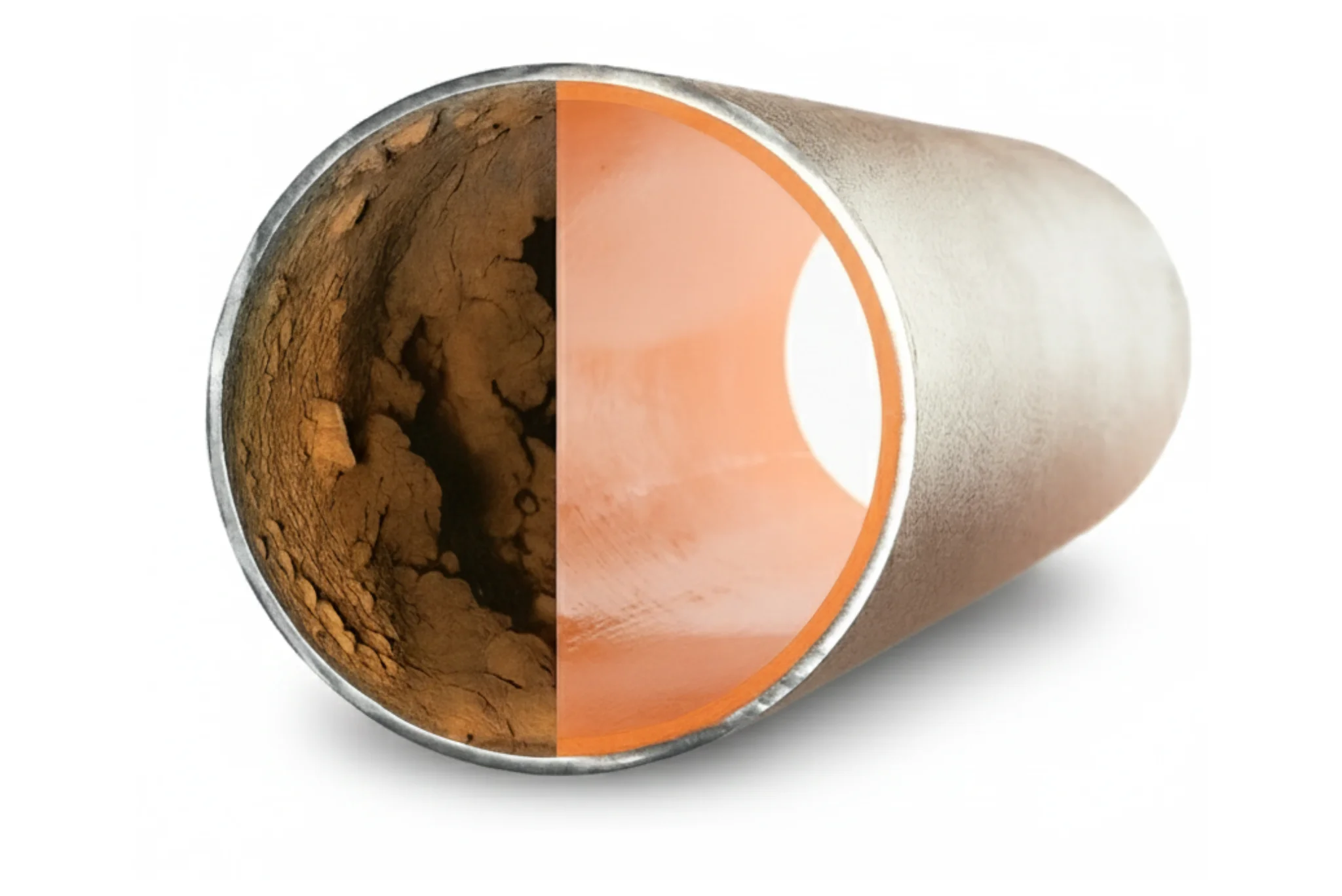
- Corrosion and age. Older clay and cast iron pipe cracks, flakes, and crumbles over time, especially with soil movement working against it.
- Ground shifting. Colorado’s expansive soils and seasonal moisture swings pull joints apart and misalign pipe over the years.
- Grease and scale buildup. Years of buildup narrow the pipe until it clogs and overflows.
How to find out what is actually going on
You do not have to guess, and you should not dig to find out. Two steps give you a clear answer.
Locate your cleanout. Your sewer cleanout is a capped pipe (usually white or black) that gives direct access to the main line. Finding it helps any technician diagnose and clear the line faster.
Get a camera inspection. The only way to know the true condition of a buried pipe is to look inside it. A sewer camera inspection sends a waterproof video camera down the line so we can see exactly what is wrong, whether it is roots, a crack, a belly, or a collapse, and pinpoint where it is. The inspection also shows whether the pipe has enough structure left for lining or needs a different repair. Schedule a sewer camera inspection with Alphalete to get a real diagnosis before committing to anything.
The fix: trenchless repair that protects your yard
Here is the part most homeowners are relieved to hear. Fixing a sewer line no longer means digging a trench across the lawn and tearing out grass, sprinklers, driveway, or mature landscaping.
Trenchless pipe repair rehabilitates or replaces the line through small access points, with little to no digging. There are two main methods:
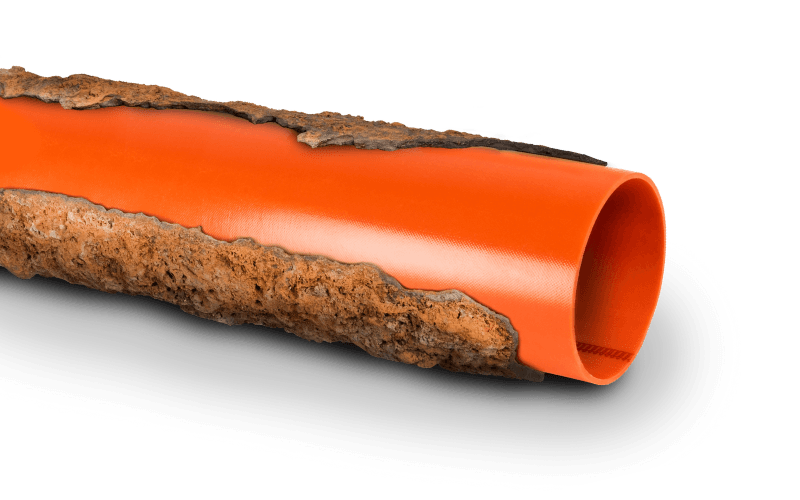
- Pipe lining (CIPP, short for cured-in-place pipe): a resin-saturated liner is inserted into the old pipe and hardened in place, forming a new, seamless, jointless pipe inside the old one. Roots cannot get back in, and the smoother surface improves flow.
- Pipe bursting: for a line too far gone to line, this method pulls a new pipe through the path of the old one while breaking the old pipe outward, all from two small access pits.
Both approaches keep your yard, landscaping, and hardscaping largely intact. That matters even more with Colorado’s short growing season, where re-establishing a torn-up lawn is not a quick fix. New to the idea? Start with how trenchless sewer repair works.
Alphalete handles trenchless repair for both homes and businesses: residential trenchless pipelining for homeowners, and commercial trenchless pipelining for property managers and business owners.
Alphalete’s trenchless repairs are backed by a 20-year warranty, with a properly installed liner expected to last 50 years or more.
What to do right now if you see these signs
- Stop heavy water use if drains are backing up, to avoid an indoor overflow.
- Keep people and pets away from any sinkhole, soft depression, or standing sewage.
- Do not start digging. You risk hitting the sewer line, a gas line, or other utilities, and you will not learn what a camera can tell you in minutes.
- Schedule a camera inspection. Get an actual diagnosis, then decide.
If you are dealing with any of this in Colorado Springs, Alphalete can help with trenchless repair that protects your property. Call (720) 807-3224 or see the Colorado areas we serve.
Frequently Asked Questions
How do I know if the problem is my sewer line or just groundwater in my Colorado Springs yard?
Timing and smell are the giveaways. Groundwater is usually tied to rain or snowmelt and has no odor. A sewer leak often produces a soggy spot that fills after you use water heavily indoors, may carry a sewage or sulfur smell, and frequently grows unusually green grass above it. A camera inspection removes all doubt.
Can a sewer line leak in the yard fix itself or dry out?
No. A soggy spot may come and go with your water use, but the underlying crack, root intrusion, or sagging pipe does not repair itself. It gets worse over time and can progress to a collapse or sinkhole. Early diagnosis keeps a small repair from becoming a large one.
Will fixing my sewer line destroy my lawn and landscaping?
Not with trenchless repair. Traditional dig-and-replace excavates a trench across the yard, but trenchless pipe lining and pipe bursting work through small access points with little to no digging, so your grass, sprinklers, trees, and hardscaping stay largely intact.
What are the signs of sewer line damage outside the house in Colorado Springs?
The most common outdoor signs are a soggy or wet patch in the yard, unusually green or fast-growing grass in one area, a sewage or rotten-egg smell outdoors, a sunken spot or sinkhole over the pipe’s path, and drains that back up or gurgle throughout the house.
Why are sewer line problems common in older Colorado Springs neighborhoods?
Two local factors stack up: Front Range expansive clay soils shift with seasonal moisture and stress aging pipe joints, and older neighborhoods pair decades-old clay or cast iron lines with large, water-seeking tree roots that exploit any crack.