When a sewer line fails, you generally have two paths: dig it up and replace it, or repair it from the inside without a trench. Both can solve the problem. However, the trenchless vs traditional sewer repair decision comes down to how much of your property gets disturbed, how long the work takes, and where the money goes.
Here is an honest comparison of trenchless vs traditional sewer repair, so you can ask the right questions before anyone breaks ground. If you want the full background on the no-dig approach first, start with our guide to what trenchless sewer repair is and how it works.
How Each Method Works
Traditional Sewer Repair: Dig-and-Replace
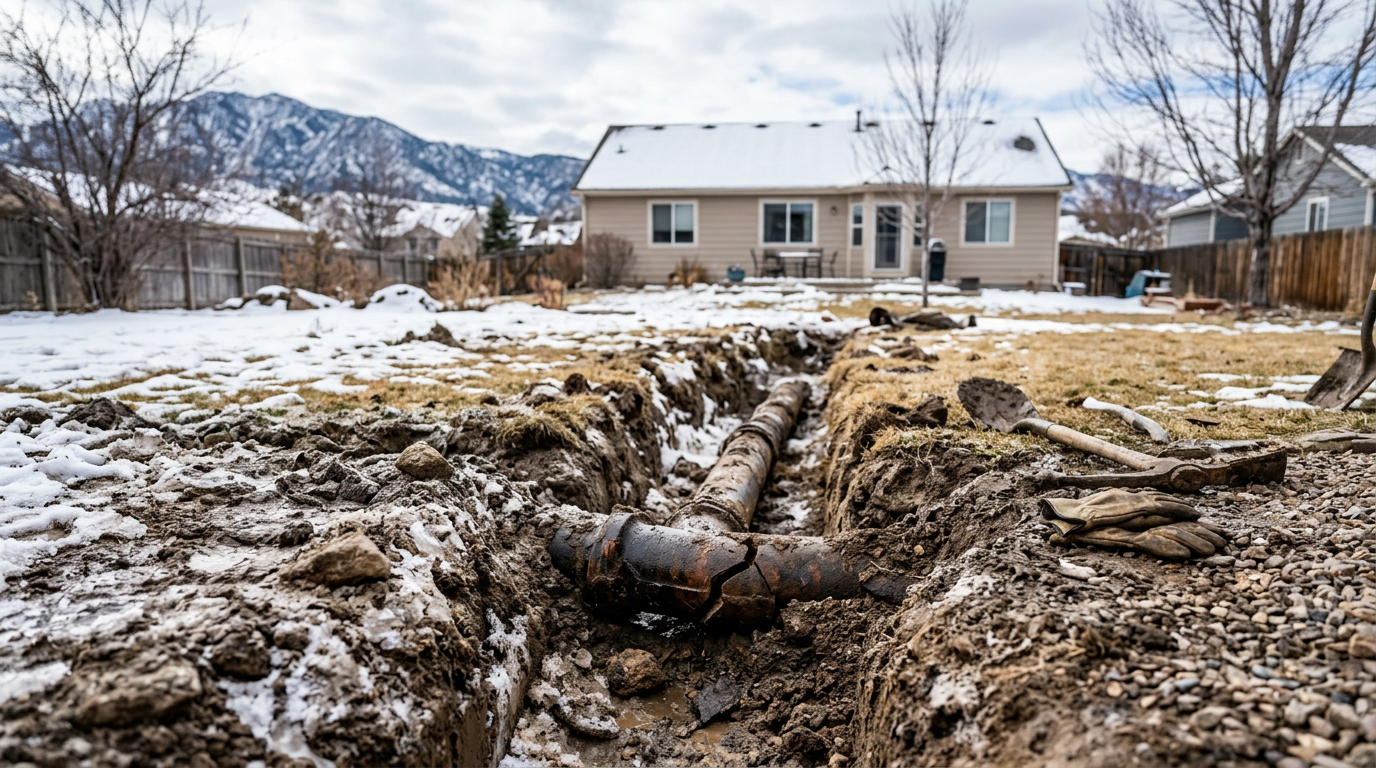
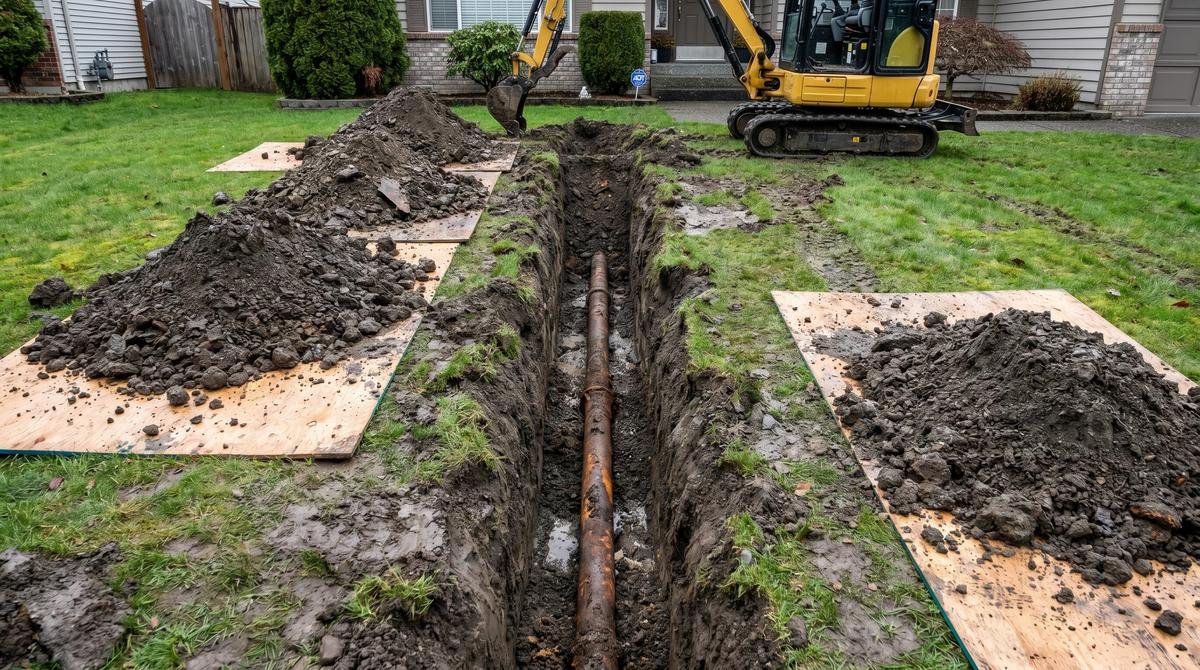
Crews excavate a trench along the damaged section, or the entire run of pipe, remove the old line, and install new pipe in its place. Crews then backfill the trench and restore the surface. Anything above the pipe comes out first: grass, landscaping, sprinkler lines, sometimes sections of driveway, sidewalk, or patio.
Trenchless Repair (CIPP Pipe Lining)
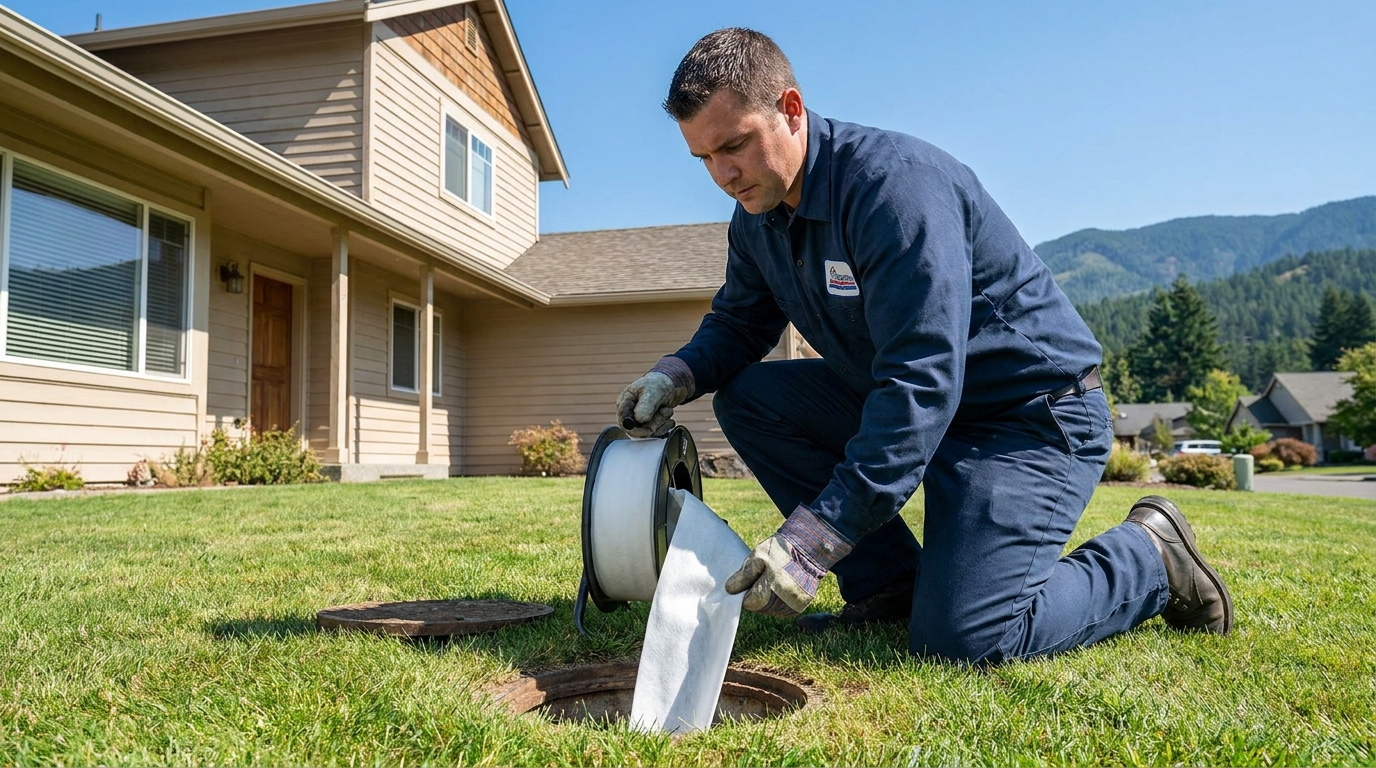
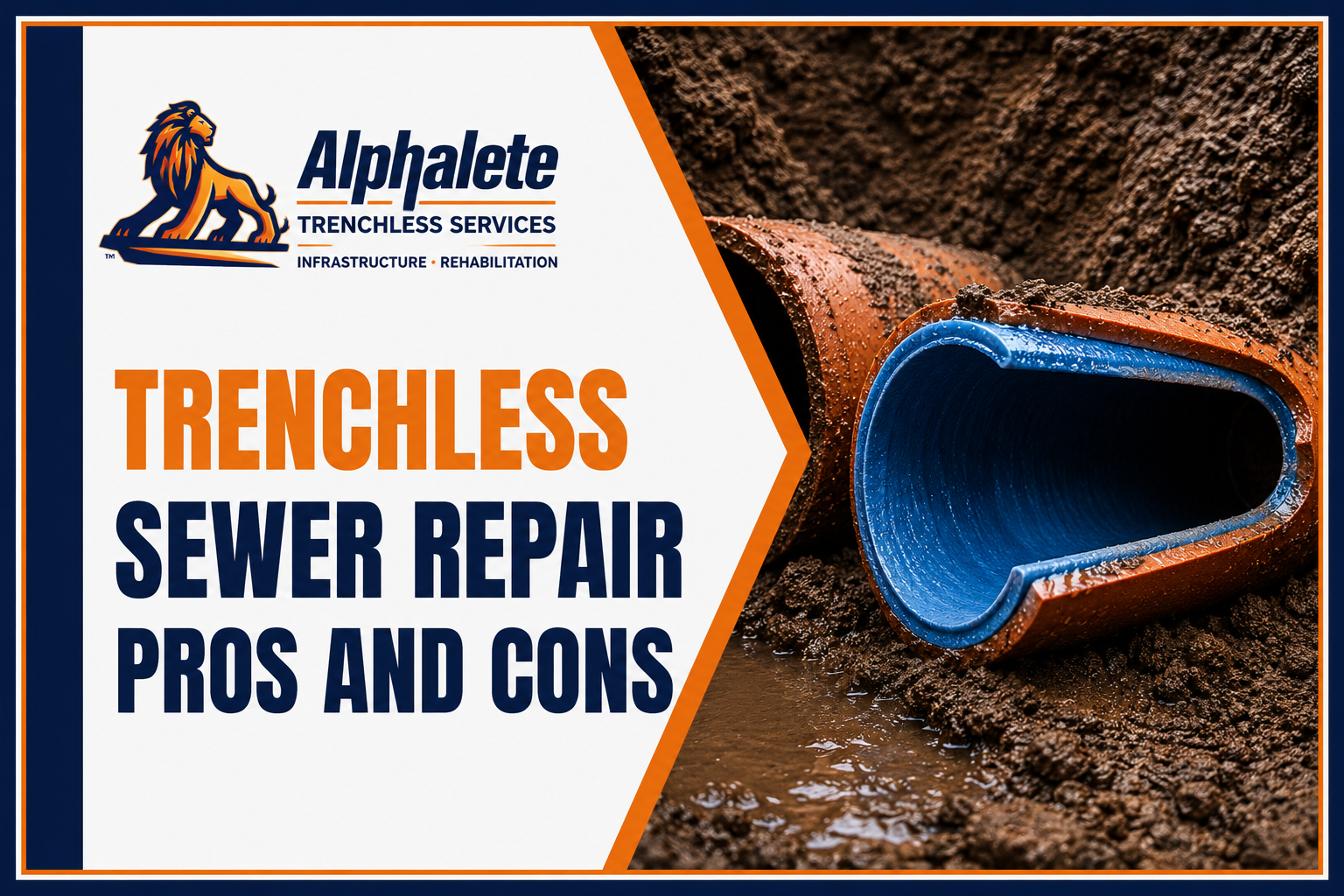
Technicians access the existing line through openings such as a cleanout. After a camera inspection confirms the pipe is a candidate and hydro jetting cleans the line, technicians install a resin-saturated liner inside the pipe and cure it in place. It hardens into a new structural liner inside the old pipe, sealing cracks, joints, and root entry points.
Pros and Cons of Trenchless Sewer Repair
Pros
- Minimal surface disruption. Landscaping, driveways, walkways, and concrete mostly stay put.
- Often faster. No large trench to dig and refill means the overall project is often shorter. See How Long Does Trenchless Sewer Repair Take?
- Little restoration afterward. Less digging means less to repair when the plumbing work is done.
- Durable result. The cured liner forms a new, structurally sound pipe within the old one.
Cons
- Not every pipe qualifies. A fully collapsed line or severe bellies may rule out lining.
- Requires a clean, accessible line. The pipe must be cleared and prepped before the liner goes in.
- Slightly reduced diameter. The liner takes up a small amount of interior space, which is rarely a practical issue for residential flow but worth knowing.
Pros and Cons of Traditional Sewer Repair
Pros
- Works on any pipe condition. Collapsed, badly misaligned, or improperly sloped lines can be fully replaced.
- Brand-new pipe. The old material is gone entirely.
- Allows regrading. If the original line was installed with poor slope, excavation can correct it.
Cons
- Major property disruption. Yards, gardens, sprinkler systems, driveways, and walkways in the trench path are dug up.
- Longer total timeline. Excavation, replacement, backfill, and surface restoration all add days to the project.
- Restoration is on you. Re-sodding, re-pouring concrete, and replanting typically come after the plumbing contractor leaves, as a separate cost.
What Drives the Cost of Each Method
Every sewer line is different, so responsible contractors price from an inspection, not a phone call. These are the factors that typically shape the cost of each approach:
- Length and depth of the damaged section. Longer and deeper runs mean more work with either method, but depth hits excavation especially hard.
- What sits above the pipe. A trench through open lawn is one thing. A trench through a driveway, mature landscaping, or a patio adds demolition and restoration costs that trenchless repair largely avoids.
- Condition of the existing pipe. Heavy root intrusion or buildup may require additional cleaning before lining.
- Restoration after the repair. This is the cost that surprises homeowners. With excavation, the quote for the pipe work usually does not include putting your yard, concrete, and sprinklers back the way they were.
In short, compare total project cost, including restoration, not just the plumbing line item. Alphalete provides clear upfront estimates after a camera inspection, so you can see the recommended method, timeline, and cost factors before committing.
Trenchless vs. Traditional Sewer Repair: The Decision Factors
- Property impact: Trenchless works through existing access points; excavation opens a trench through whatever sits above the pipe.
- Timeline: Trenchless is often faster because it skips trenching, backfill, and surface restoration entirely.
- Pipe condition required: Trenchless needs a line that still holds its shape; excavation handles any condition, including full collapse.
- Slope correction: Only excavation can regrade a badly sloped line. Lining follows the existing path.
- Hidden costs: Excavation quotes often exclude restoring landscaping, concrete, and sprinklers. Trenchless leaves much less to restore.
- End result: Both deliver a structurally sound line: excavation through new pipe, trenchless through a new cured liner inside the existing pipe.
Trenchless or Traditional Sewer Repair: Which Do You Need?
The pipe decides, not the preference. If your line is structurally sound enough to hold a liner, trenchless repair usually protects your property and your schedule. If the line is collapsed or needs regrading, excavation may be the right call, sometimes only for one section while the rest is lined.
Service Areas
Trenchless Sewer Repair Service Areas in Colorado
We repair failing sewer lines from the inside for property owners throughout Colorado. Find trenchless sewer repair in your area below.
A camera inspection answers the question definitively. Alphalete Trenchless Services provides trenchless sewer repair in Colorado Springs, Denver, and surrounding Colorado communities. Schedule a free video inspection or call (719) 787-7746 to find out which repair your sewer line really needs.
Frequently Asked Questions
Is trenchless repair weaker than full replacement?
No. In fact, the cured-in-place liner is a structural repair that forms a continuous new pipe wall inside the old line. For lines that qualify, it is a long-term solution, not a stopgap.
Can part of a line be excavated and the rest lined?
Yes. Indeed, this hybrid approach is common when one section is collapsed but the rest of the run is intact. A spot excavation fixes the failed section while lining rehabilitates the remainder, keeping total digging to a minimum.
How do I know which method my line needs?
Only a camera inspection can answer that. It shows the pipe’s material, shape, slope, and damage, which are exactly the factors that decide between lining and digging.