If a plumber has told you that you have a “belly” in your sewer line, or if you are dealing with clogs that keep coming back no matter how many times the line gets cleared, this is the post for you. A bellied sewer line is one of the more stubborn sewer problems, and it is common in Colorado Springs because of how our soil behaves.
Here is what a belly actually is, why it forms, and how trenchless repair corrects it without excavating your yard. This post is part of our full guide, sewer line trouble in your yard.
What a bellied sewer line is
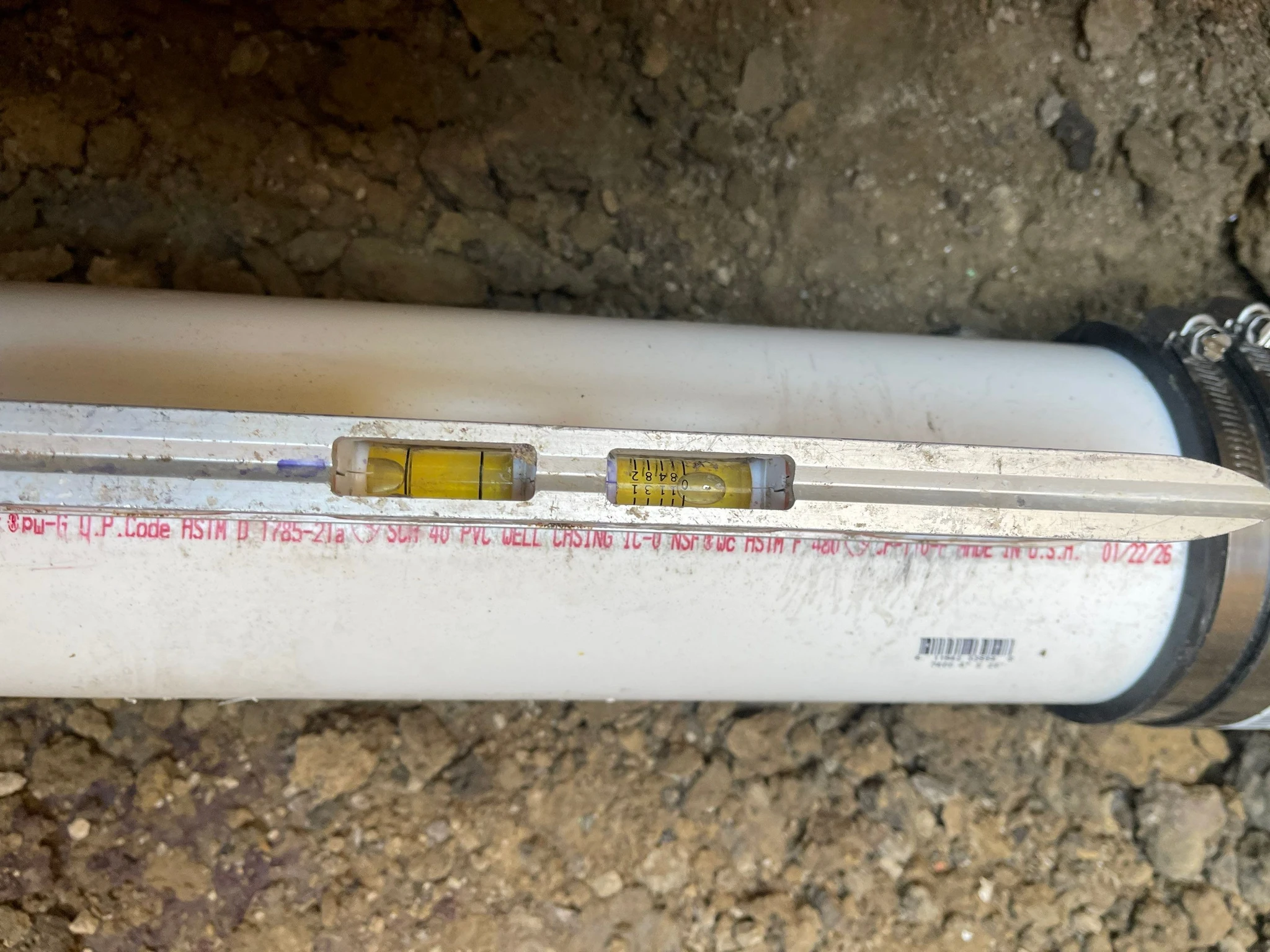
A sewer line is designed to run at a slight, steady downward slope so gravity carries waste and water toward the city main. A belly is a section where the pipe has sagged or dipped below that proper slope, creating a low spot.
In that low spot, water and solid waste stop flowing freely and start to pool. Over time, sludge and debris settle there, the passage narrows, and you get repeat clogs, slow drains, and eventually cracks in the strained section of pipe. This is why people also search for a sagging sewer pipe, a low spot in the sewer line, or standing water in the sewer pipe. They are describing the same problem.
What causes a sewer line to belly
A pipe does not sag on its own. Something under it gives way. The usual causes are:
- Soil movement. This is the big one along the Front Range. Colorado’s expansive clay soils swell when wet and shrink when dry, and freeze-thaw cycles heave the ground repeatedly. State hazard data notes that about half of Colorado’s soil has a high or very high shrink-swell potential, which shifts the soil supporting the pipe and lets a section drop.
- Poor or settled backfill. If the trench under the original pipe was not compacted well during installation, the soil settles later and the pipe sinks with it.
- Ground saturation. A nearby leak, poor drainage, or a high water table softens the supporting soil until the pipe loses its footing.
- Age and material. Older clay and cast iron lines are more prone to shifting and sagging as they weaken.
Signs you may have a belly
- Clogs that keep returning to the same spot even after cleaning
- Multiple slow drains throughout the house
- Gurgling toilets or drains
- Sewage odors indoors or in the yard
- A history of needing the line cleared again and again
A belly is often only confirmed by a camera inspection, because the pooling water inside the pipe is visible on video.
Why clearing the drain does not fix it
This is the part that frustrates homeowners most. A drain cleaning or a cabling clears out whatever has collected in the low spot, and things flow fine for a while. But the belly is still there, so waste starts pooling and building up all over again. You end up paying for the same clog repeatedly. To actually solve a belly, you have to correct the sag in the pipe itself.
Confirming the belly with a camera inspection
The first step is always to see inside the line. A sewer camera inspection reveals the low spot, shows how much water is pooling, and pinpoints the location and length of the belly, so the repair is targeted rather than a guess. Call (720) 807-3224 to set one up.
How trenchless repair fixes a bellied line
Once we know exactly where the belly is and how severe it is, we choose the right trenchless method:
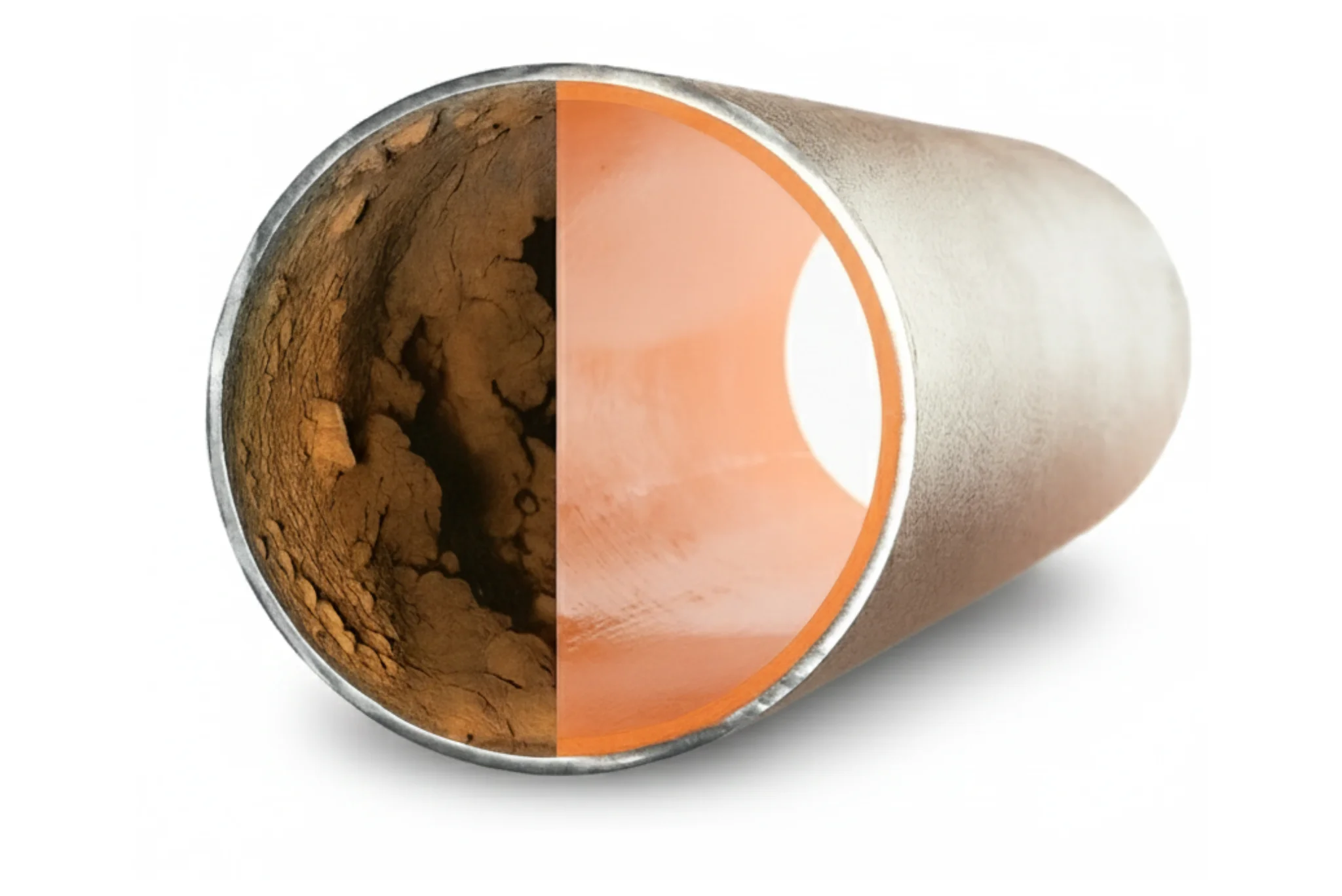
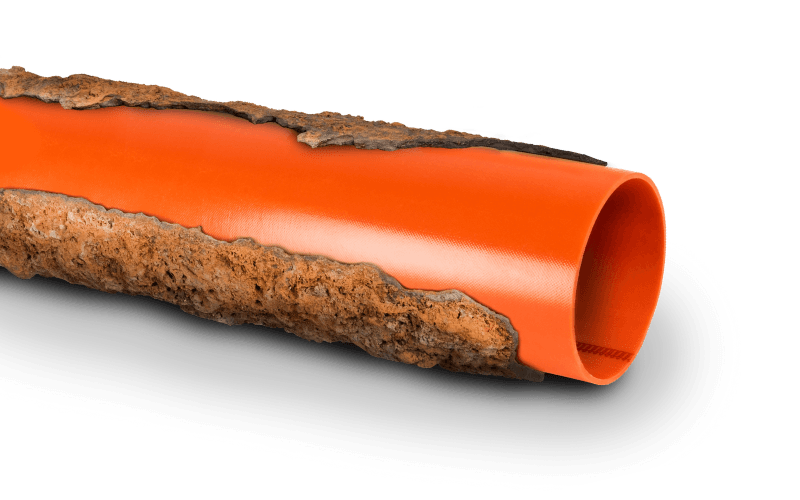
- Pipe lining (CIPP) can restore flow and structural integrity in many cases by curing a smooth, seamless new pipe inside the old one.
- Pipe bursting replaces the sagging section with new pipe pulled into the correct alignment when the belly is too pronounced to line, and it does this from small access pits rather than a full trench.
The right method depends on how deep the sag is, which is exactly what the camera inspection tells us. Either way, the goal is to restore proper slope and flow while keeping your yard and landscaping intact. Our residential trenchless pipelining service handles this start to finish, and the work is backed by a 20-year warranty with a properly installed liner expected to last 50 years or more. If the camera turns up a deeper failure, see how we handle trenchless sewer repair in Colorado Springs, including a collapsing line and sinkhole.
Tired of clearing the same clog over and over? It may be a belly. Call (720) 807-3224 or schedule a sewer camera inspection and let us find out for certain.
Frequently Asked Questions
What is a bellied sewer line?
It is a section of sewer pipe that has sagged below its proper downward slope, creating a low spot where water and waste pool instead of draining. That pooling causes repeat clogs and, over time, cracks in the pipe.
What causes a sewer line to sag or belly?
Most bellies come from soil movement under the pipe. In Colorado Springs, expansive clay soils and freeze-thaw cycles shift the ground, and poorly compacted backfill or a nearby leak can let a section of pipe drop below grade.
Why does my clog keep coming back?
If you have a belly, drain cleaning only clears the debris that has collected in the low spot. The sag is still there, so waste pools and clogs again. Correcting the belly itself is the only lasting fix.
Can a bellied sewer line be fixed without digging up the yard?
In many cases, yes. Depending on how severe the sag is, trenchless pipe lining or pipe bursting can restore the line through small access points, keeping your lawn and landscaping largely intact. A camera inspection determines the best method.