A dip in the lawn that was not there last month. A patch of ground that feels soft underfoot. Or, in the worst case, a hole that opens up over the path of your sewer line. A sinkhole over the sewer line is one of the more alarming signs of sewer trouble, and it usually means the problem has been developing underground for a while.
This post explains what causes it, why it is a serious warning sign, and how trenchless repair fixes both the pipe and the cause. It is part of our full guide, sewer line trouble in your yard.
If you have a sinking spot or an open hole over your line, call Alphalete at (720) 807-3224 for a sewer camera inspection, and please keep people and pets away from the area in the meantime.
Why a sewer line creates a sinkhole
The ground over a healthy sewer line stays firm because the soil around and above the pipe is intact and supported. When the pipe cracks, breaks, or collapses, two things happen:
- Wastewater escapes into the surrounding soil and starts washing it away.
- The soil gets carried off through the break, sometimes into the pipe itself, leaving an empty space, a void, underground.
With nothing left to support it, the ground above eventually settles into that void. First you get a shallow depression or sunken spot. As the void grows, the surface can drop further or collapse into an open sinkhole. In short, a sinkhole over the sewer line is a sign that a pipe below has failed and soil is disappearing.
The Colorado Springs connection
Our local ground conditions speed this up. Expansive clay soils shift with moisture, and repeated freeze-thaw cycles heave the ground through the year. That movement stresses and cracks aging clay and cast iron sewer pipe. State data shows roughly half of Colorado’s soil has a high or very high shrink-swell potential, so once a crack starts leaking, our soils wash away readily and a small break can progress to a visible void faster than homeowners expect.
Warning signs before a full collapse
A sinkhole rarely appears with zero warning. Watch for these earlier signs that a void may be forming:
- A soft or spongy spot in the yard that gives underfoot
- A shallow depression or dip that slowly deepens
- Grass that sinks or dies in a defined patch
- Standing water or a sewage smell near the low spot
- Cracks in nearby pavement, a patio, or a driveway over the line’s path
Any of these means the line deserves a camera inspection now, before the ground gives way further. A soft, wet patch can be an early stage of the same problem covered in our post on standing water in the yard.
Why this is not a wait-and-see problem
A sinkhole tied to a sewer line does not stabilize on its own. As long as the pipe is broken, water keeps escaping and soil keeps washing out, so the void keeps growing. That is both a property risk and a safety risk, especially near walkways, driveways, or anywhere people walk. It is worth acting on quickly.
How we diagnose it: a camera inspection
The safe way to confirm what is happening is to look inside the pipe rather than dig blindly. A sewer camera inspection sends a waterproof video camera down the line to reveal the break or collapse, show how severe it is, and pinpoint its exact location and depth. That tells us the right repair without guesswork. And before anyone digs for any reason, remember to call 811 first so utility lines are marked.
How trenchless repair fixes the pipe and the cause
Once we know where and how bad the damage is, we repair the line with trenchless methods that address the pipe without excavating your whole yard:
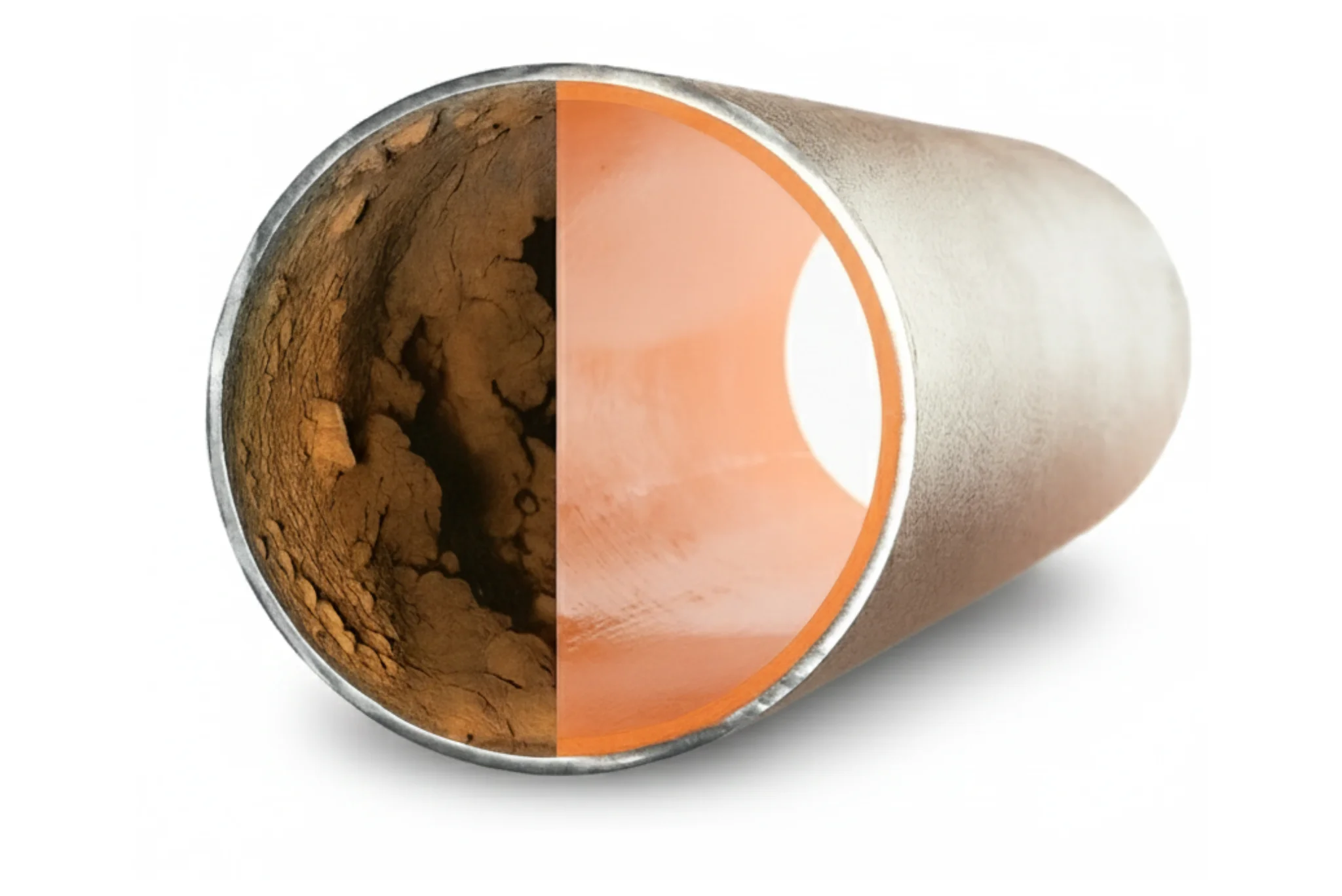
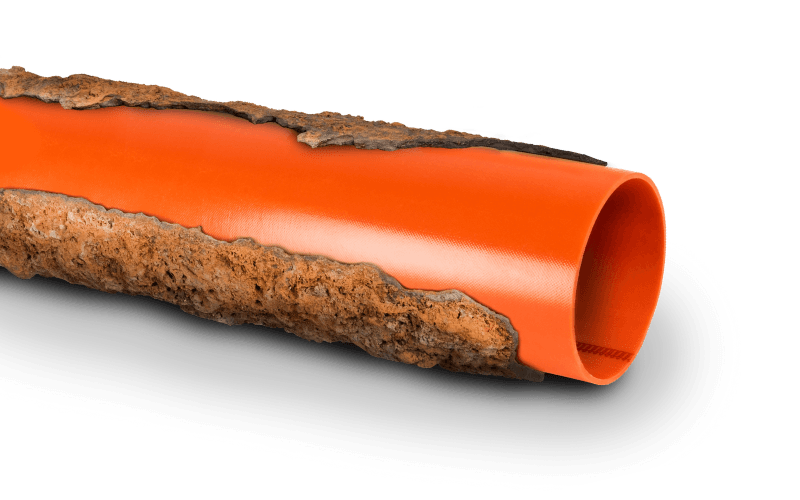
- Pipe lining (CIPP) cures a seamless new pipe inside the old one where the structure allows it.
- Pipe bursting replaces a collapsed or severely broken section with new pipe pulled through from small access pits.
Fixing the pipe stops the leak that was washing soil away, which is the root cause of the sinkhole. From there, the void and surface can be properly restored. Our trenchless sewer repair in Colorado Springs handles the full job, backed by a 20-year warranty with a properly installed liner expected to last 50 years or more. Trenchless methods also protect the rest of your yard and landscaping, so you are not trading one torn-up lawn for another.
Seeing a sunken spot or a hole over your sewer line? Do not wait. Call (720) 807-3224 or schedule a sewer camera inspection today.
Frequently Asked Questions
Can a sewer line really cause a sinkhole in my yard?
Yes. When a sewer pipe cracks or collapses, escaping water washes away the surrounding soil and can carry it into the pipe, leaving a void underground. The ground above eventually settles into that void as a sunken spot or an open sinkhole.
Is a sinkhole over the sewer line dangerous?
It can be. The void keeps growing as long as the pipe is broken, which is a risk near walkways, driveways, and anywhere people walk. Keep people and pets away from the area and get the line inspected promptly.
What are the early signs before a sinkhole forms?
Watch for a soft or spongy patch of lawn, a shallow depression that deepens over time, grass that sinks or dies in a defined area, standing water or a sewage smell, and cracks in nearby pavement over the line’s path.
How is a collapsed sewer line fixed without digging up the whole yard?
Trenchless methods repair the line through small access points. Pipe lining cures a new pipe inside the old one, and pipe bursting replaces a collapsed section with new pipe pulled into place, so most of your yard and landscaping stays intact.