If a plumber or inspector has told you that your sewer line is cracked, root-damaged, or failing, your first thought is probably the backhoe. A long trench across the yard, a torn-up driveway, and weeks of cleanup. So what is trenchless sewer repair, and can it really spare you all of that?
Trenchless sewer repair is a way to repair or replace a damaged sewer line from the inside, working through existing access points instead of digging up the entire pipe. For many Colorado homeowners, it means the sewer problem gets fixed while the yard, landscaping, driveway, and concrete stay largely intact. If you already know your line needs work, our trenchless sewer repair service starts with a camera inspection.
This guide explains how trenchless sewer repair works, the main methods used, when it is a good fit, and what to expect from the process.
What Is Trenchless Sewer Repair, Exactly?
Traditional sewer repair, often called open trench sewer repair, is dig-and-replace. Crews excavate a trench along the length of the damaged pipe, remove the old line, install a new one, and then backfill and restore the surface. The repair itself works, but the digging is what creates most of the cost, time, and property damage.
Trenchless sewer repair (also called no dig sewer repair) takes a different approach. Instead of exposing the whole pipe, technicians access the line through existing openings, such as a cleanout, and rehabilitate the pipe from the inside. The result is a restored sewer line with far less surface disruption.
The most common trenchless method for residential sewer lines is CIPP, which stands for cured-in-place pipe. You will also hear it called CIPP pipe lining, cured in place pipe lining, or simply pipe lining.
Can You Fix a Sewer Line Without Digging?
Often, yes. If the pipe is cracked, invaded by roots, corroded, or has separated joints but still holds its basic shape, it can usually be repaired from the inside through a cleanout or a small access pit, with no trench across the yard. Some access may still be needed, but the process is designed to keep excavation to a minimum. Collapsed sections and pronounced bellies are different: those usually need pipe bursting or a spot dig to reset that part of the line.
- Cracks and separated joints: the line is cleaned, then sealed from the inside with a cured-in-place liner.
- Root intrusion: roots are cut out and the line is lined so they cannot grow back in through the joints. See tree roots in your sewer line.
- Corrosion and scale in cast iron: the pipe is descaled, then lined.
- One damaged spot in an otherwise sound line: a sectional point repair seals just that section.
- A collapsed section or a sag that holds water: usually needs pipe bursting or excavation of that section.
A sewer camera inspection is how you find out which of these applies to your line.
How the Trenchless Pipe Lining Process Works
Every trenchless project starts with information, because the right repair depends on the condition of the existing pipe. Here is the typical sequence Alphalete Trenchless follows:
1. Sewer Camera Inspection
A technician runs an HD camera through the sewer line to identify the problem, its location, its depth, and the overall condition of the pipe. The camera can reveal cracks, root intrusion, offsets, corrosion, bellies, and collapsed sections. This step matters because it determines whether the line is a good candidate for lining in the first place. You can learn more on our sewer camera inspection page.
2. Repair Recommendation
Once the damage is located and documented, you get a clear explanation of the recommended repair method, the expected timeline, and an estimate for the project. Not every pipe should be lined, and a good trenchless contractor will tell you when another approach makes more sense.
3. Pipe Cleaning
Before any liner goes in, the pipe has to be clean. Hydro jetting uses high-pressure water to scour the inside walls of the pipe, cutting through roots and flushing out grease, sludge, and debris. A clean pipe lets the liner bond properly to the existing line.
4. CIPP Lining
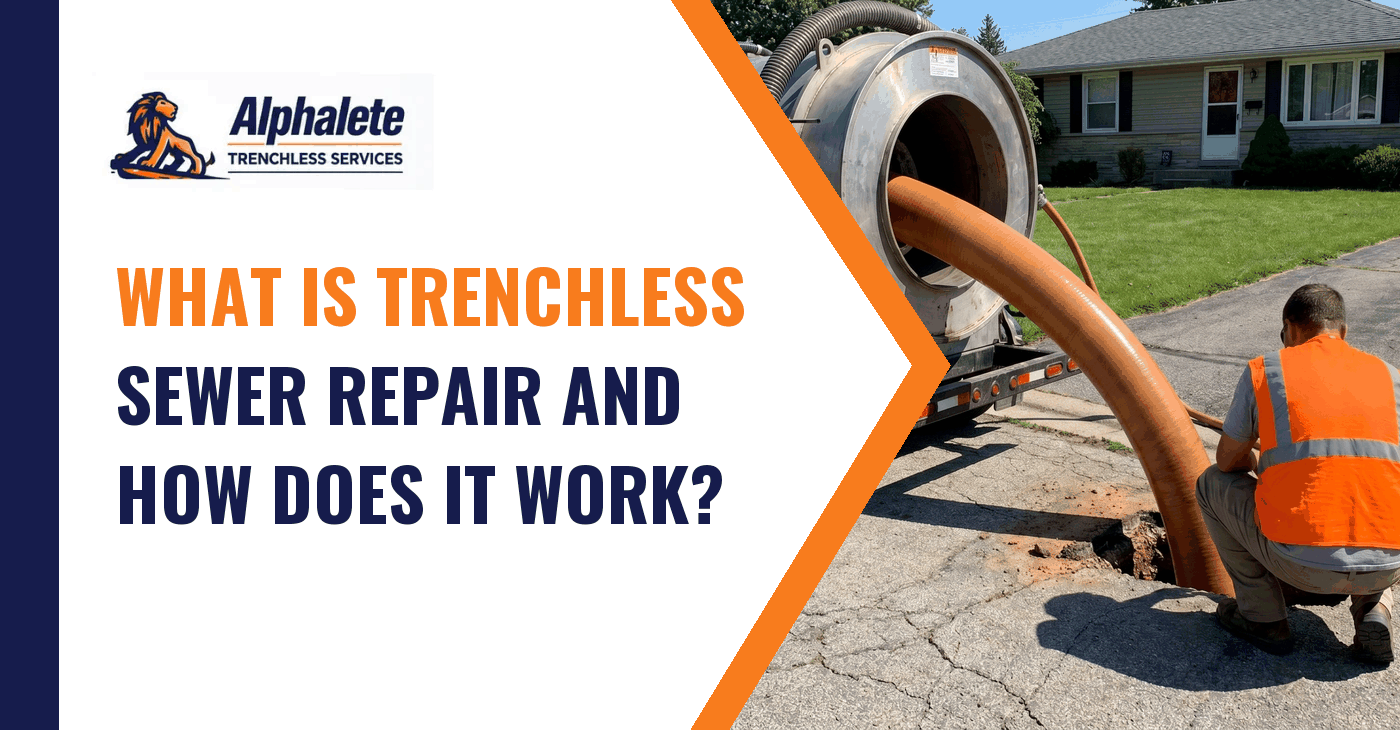
The crew installs a resin-saturated CIPP liner inside the existing sewer pipe and cures it in place. As it cures, it hardens into a new structural liner inside the damaged line, sealing cracks and joints where roots and groundwater were getting in. A follow-up camera inspection verifies the result.
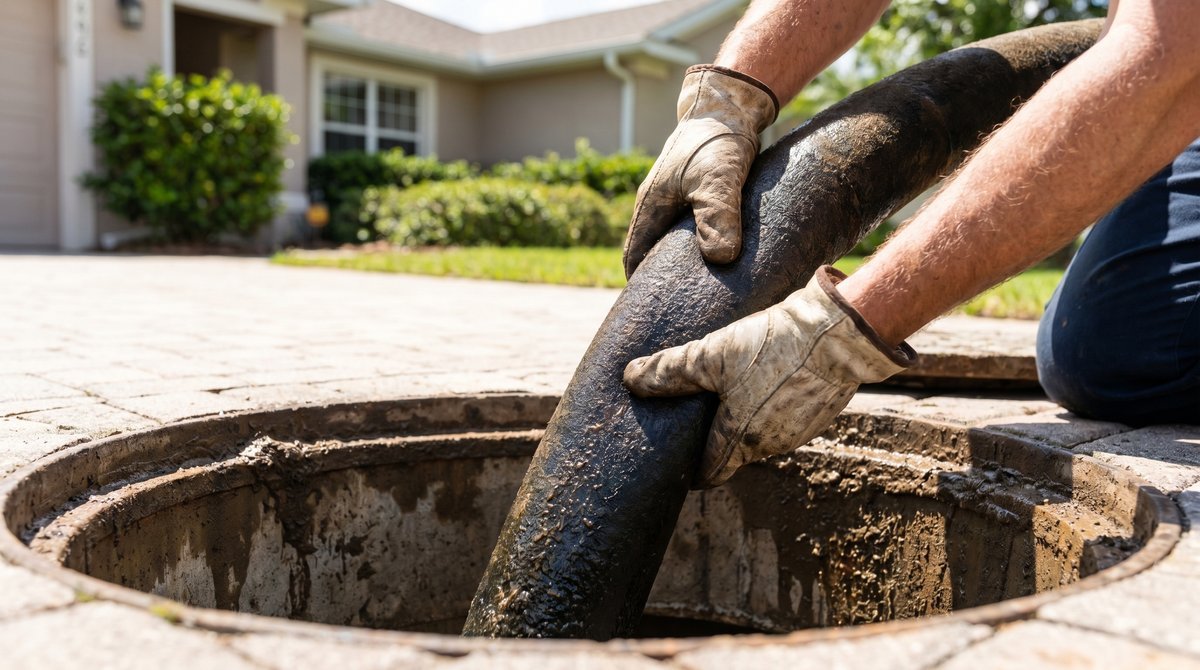
For a closer look at what happens at each stage, read our step-by-step guide to the trenchless sewer repair process.
What Are the Main Trenchless Pipe Repair Methods?
Trenchless pipe repair uses three main methods: pipe lining, pipe bursting, and sectional point repair. All three work from small access points instead of a full-length trench, and the camera inspection decides which one fits your line.
Pipe Lining (CIPP): Relining the Pipe You Already Have
Trenchless sewer relining is the most common method for home sewer lines. A resin-saturated liner is installed inside the existing pipe and cured in place, creating a new, jointless pipe within the old one. It is the right choice when the pipe is cracked, corroded, or root-damaged but still holding its shape, and it works on clay, cast iron, and older PVC. For a closer look at older iron lines, see whether cast iron pipes can be relined.
Pipe Bursting: Trenchless Sewer Replacement
When a line is too far gone to line, trenchless sewer replacement is the answer. With pipe bursting, a cone-shaped bursting head is pulled through the old pipe from one small pit to another, breaking the old line apart and pushing the fragments into the surrounding soil while a new, seamless pipe is pulled in behind it. You end up with a brand-new sewer line along the same path, without trenching the whole run.
Sectional Point Repair: Fixing One Damaged Spot
If the camera shows one isolated crack or failed joint in an otherwise healthy line, a short liner can be installed and cured over just that section. It is a targeted fix for a single problem area rather than a full relining.
Trenchless Sewer Replacement or Relining: Which Does Your Line Need?
Relining is the usual fix when the pipe is damaged but intact, and replacement is the usual fix when the pipe has lost its shape. Here is how camera findings typically line up with each method.
| What the camera finds | Typical trenchless fix |
|---|---|
| Cracks, root intrusion, or corrosion along the line | CIPP relining |
| One isolated crack or failed joint | Sectional point repair |
| Collapsed sections or a badly deformed pipe | Pipe bursting replacement |
| A line that needs to be upsized | Pipe bursting replacement |
| Severe bellies or grade problems | Often excavation, at least for that section |
What Problems Can Trenchless Repair Fix?
Trenchless sewer repair is used for many of the most common sewer line failures in Colorado homes:
- Tree root intrusion. Roots enter through small cracks and joints, then grow inside the pipe and catch debris. Lining seals the entry points. We cover this in detail in Tree Roots in Sewer Line? What Homeowners Should Know.
- Cracked or deteriorating pipe. Aging clay and cast iron lines develop cracks and weak joints over time. A cured liner restores structure from the inside.
- Recurring backups and slow drains. When the same line keeps clogging after snaking, damaged pipe is often the underlying cause.
- Sewer odors and leaks. Open joints and cracks let odors and wastewater escape. Lining seals the run of pipe.
It is not the answer to everything. A fully collapsed pipe, a line with severe bellies, or certain layout problems may need excavation or a different method. That is exactly what the camera inspection is for: confirming which repair fits your line. If you are weighing the options, see our comparison of CIPP vs. pipe bursting.
Can Trenchless Methods Repair Drain Lines and Sewer Mains?
Yes. The same lining and bursting methods used on a home’s main sewer line also work on interior drain lines, storm drains, and larger sewer mains. Trenchless drain repair is especially useful for cast iron drain pipes running under a basement slab, where the alternative is breaking up the floor to reach them.
On the larger end, trenchless sewer main repair rehabilitates the bigger-diameter lines that serve apartment buildings, shopping centers, and other commercial properties, often without closing the property. Learn more about commercial trenchless pipelining. If you are not sure who is responsible for which part of the line, see who pays for sewer line repair.
Why Homeowners Choose Trenchless Over Digging
- Less yard damage. Lining works through existing access points, helping protect landscaping, driveways, walkways, and outdoor living spaces.
- Quicker repairs. Trenchless projects are often faster than traditional excavation, since there is no large trench to dig and refill. More on timelines in how long the no-dig process takes.
- Less restoration afterward. Excavation often adds a second project: repairing the lawn, sprinklers, concrete, or driveway the trench went through. Trenchless can reduce that cleanup significantly.
- Durable results. The cured liner creates a new, structurally sound pipe within the old one, built for long-term performance.
For a full side-by-side look at both approaches, read comparing no-dig lining with traditional excavation.
Why Colorado Sewer Lines Fail in the First Place
Knowing what breaks sewer lines helps explain why lining works so well as a repair. The most common culprits in Colorado homes are:
- Aging pipe materials. Many older homes were plumbed with clay or cast iron sewer lines. Clay joints loosen and crack over decades, and cast iron corrodes from the inside. Both create the gaps that roots and groundwater exploit.
- Tree root pressure. Roots grow toward the moisture inside the pipe and enter through the smallest openings. Once inside, they expand, widen the damage, and snag everything flowing past.
- Soil movement. Colorado’s freeze-thaw cycles and expansive soils shift pipes over time, opening joints and creating offsets and low spots.
- Buildup and corrosion. Years of grease, scale, and sludge narrow the line and accelerate wear on the pipe walls.
Notice what most of these have in common: the pipe is damaged but still in place and still mostly holding its shape. That is exactly the situation CIPP lining was designed for. The liner bridges cracks, seals joints, and creates a smooth new interior wall, addressing the damage without removing the pipe.
How Do You Know If You Need Sewer Repair at All?
Sewer problems usually announce themselves before a full failure. Watch for multiple slow drains at once, gurgling toilets, recurring backups, sewer odors, and soggy or unusually green patches in the yard. We break these down in Signs You Need Sewer Line Repair Before It Becomes an Emergency.
If any of those sound familiar, the next step is not guesswork. It is a camera inspection that shows exactly what is happening inside the line.
Is Your Line a Candidate for Trenchless Repair?
Every home is different, which is why Alphalete Trenchless starts every project with a camera inspection. Once we see the condition of your line, we can explain the recommended repair approach, the expected timeline, and the factors that affect cost, all before any work begins.
Service Areas
Trenchless Sewer Repair Service Areas in Colorado
Alphalete provides trenchless sewer line repair across Colorado’s Front Range and nearby communities. Check local availability below.
Alphalete Trenchless Services provides no-dig pipe lining in Colorado Springs, Denver, and surrounding Colorado communities. Schedule a free video inspection or contact us to find out whether your sewer line can be repaired without digging.