Trenchless vs. Excavation: Which Causes Less Business Disruption?
When a sewer line problem is diagnosed at a commercial property, the next question is how to fix it. Traditional excavation has been the default approach for decades. Trenchless pipelining has changed the math – especially for occupied commercial properties where disruption equals lost revenue.
What Traditional Excavation Involves
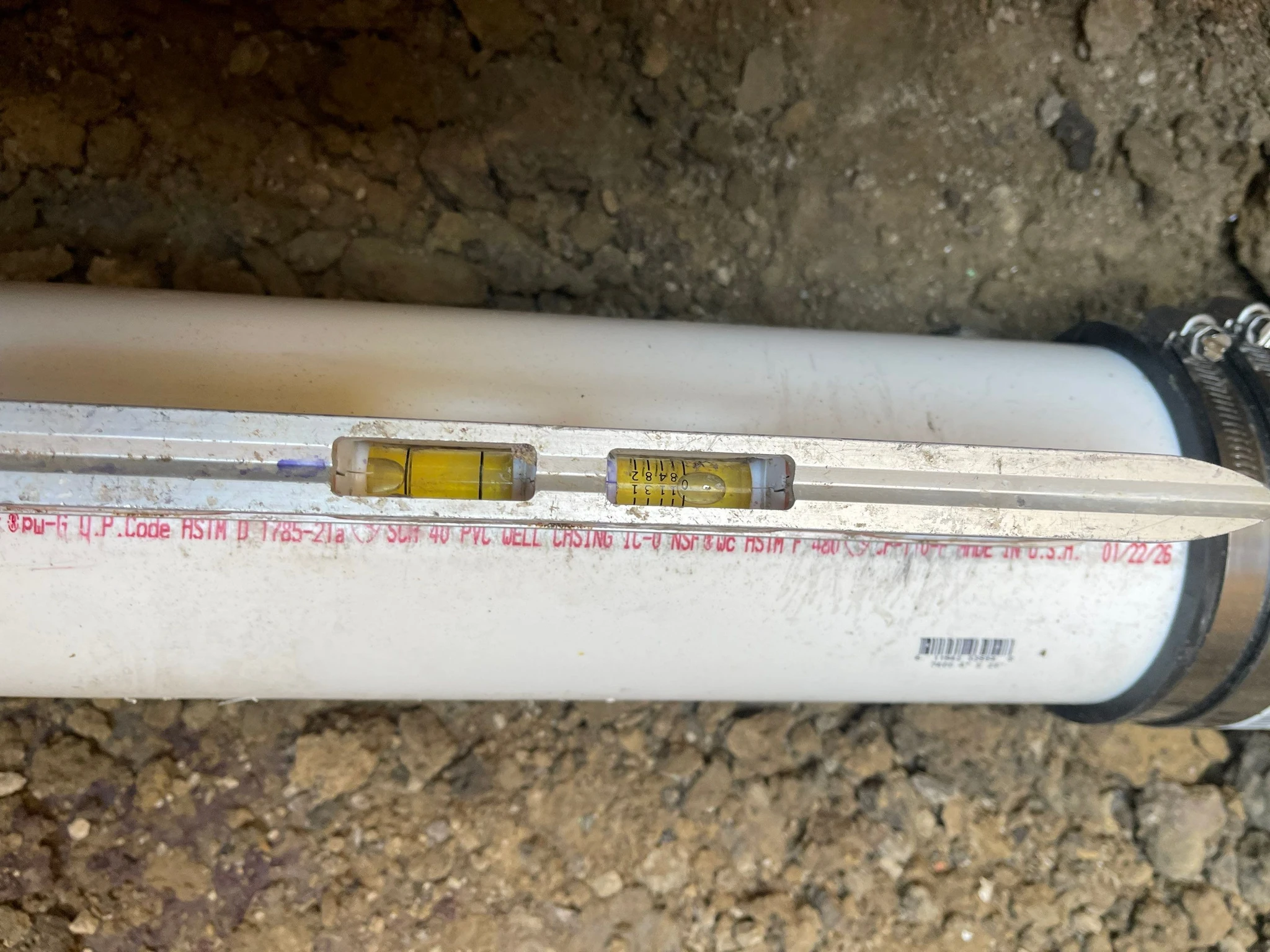
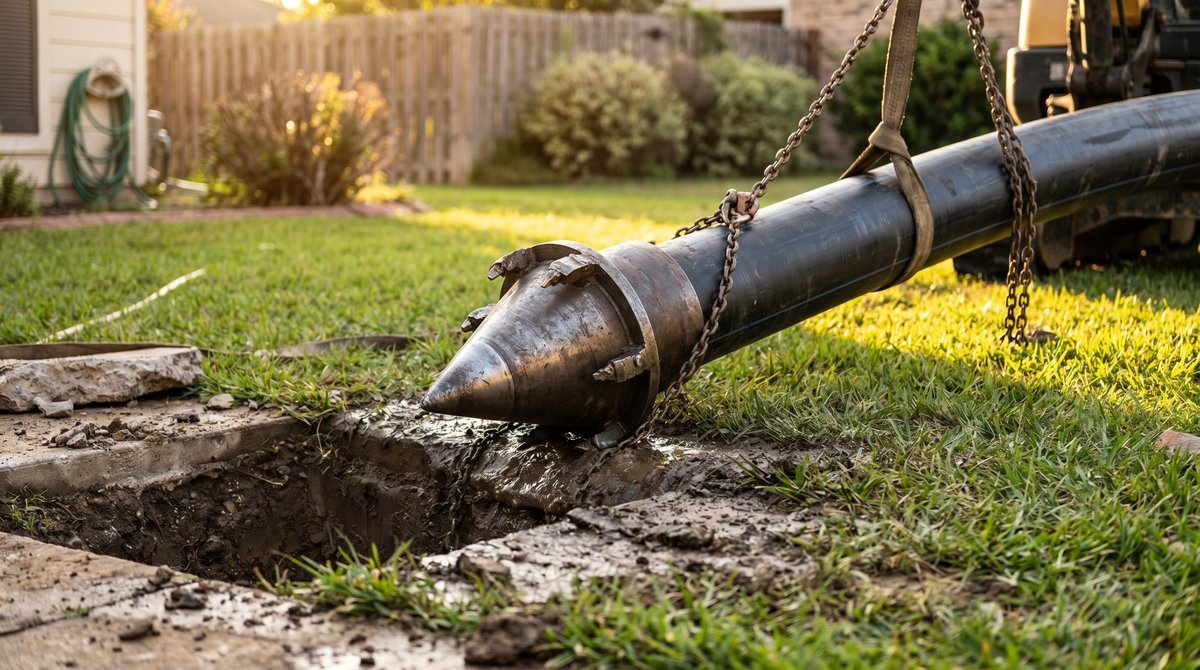
Open-cut excavation means digging up the ground above the damaged pipe. For a commercial property, that typically means heavy equipment on-site, parking lots and landscaping torn up, access disruption for tenants and customers, days to weeks of project duration, and surface restoration – repaving, reseeding, concrete work – after the pipe work is done.
What Trenchless Pipelining Involves
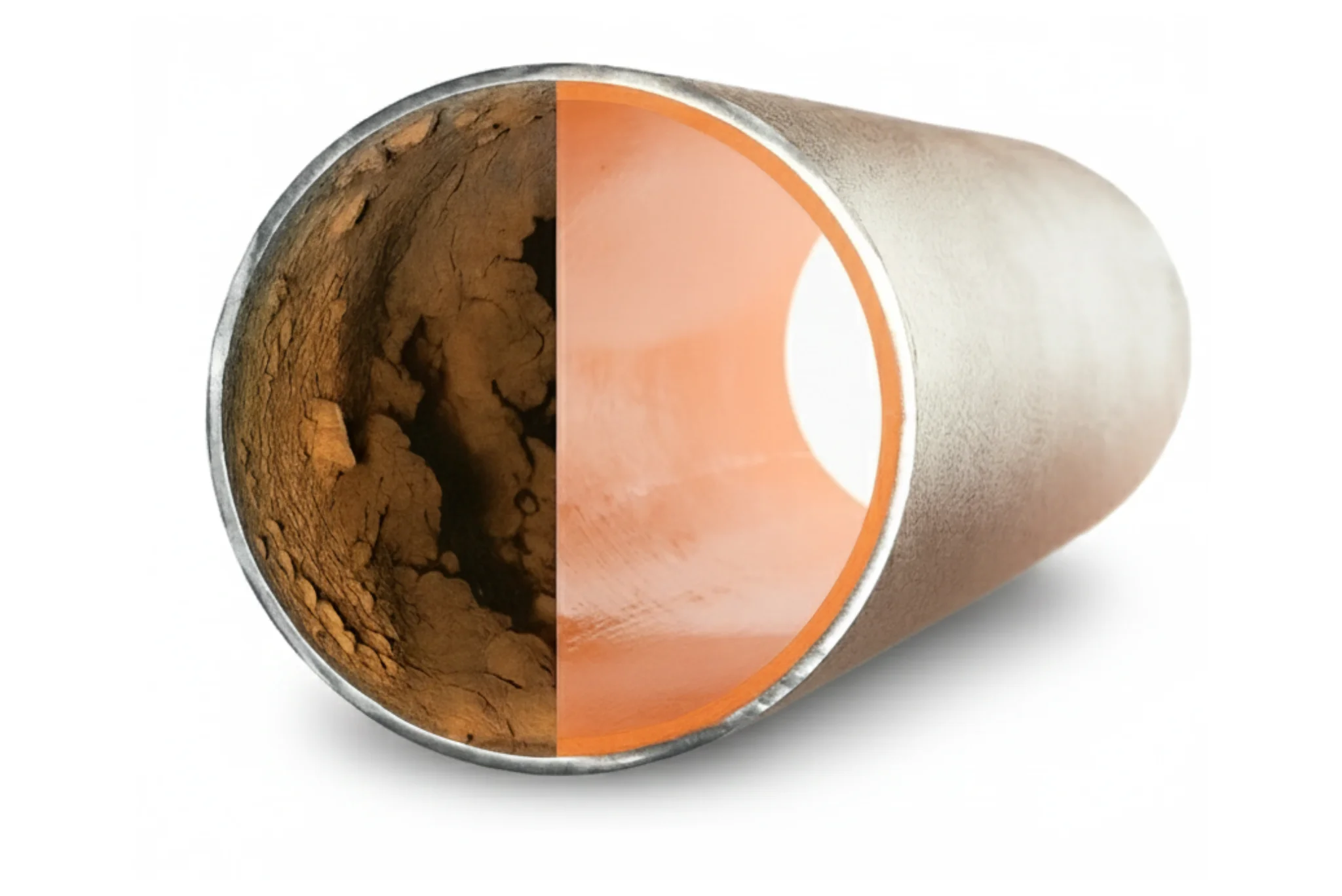
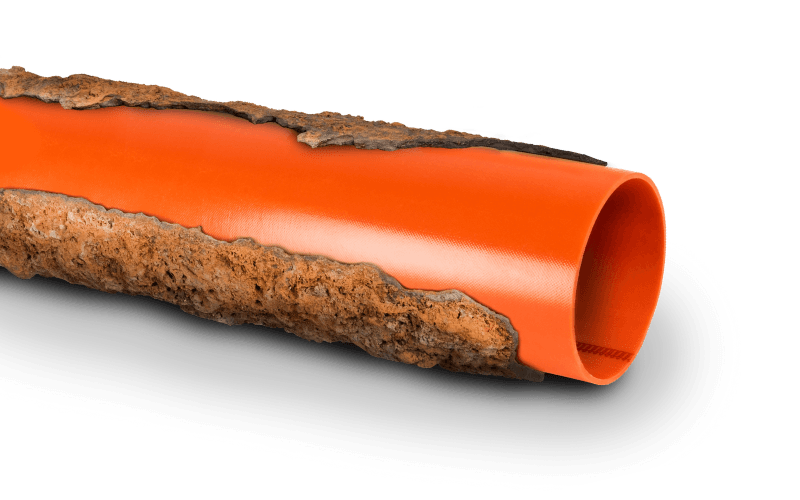
Trenchless pipe lining accesses the pipe through existing access points – a cleanout, a manhole, or a minimal access pit. The liner is inserted into the existing pipe and cured in place. No excavation of the pipe run itself. No heavy equipment across the property surface. Most projects complete in one to two days. Tenants and customers are often unaffected.
Side-by-Side Comparison
Project Duration
Excavation: Several days to weeks. Trenchless: One to two days for most commercial lateral applications.
Business Disruption
Excavation: Parking disruption, noise, and dust throughout. Tenants may need to be relocated. Trenchless: Drain lines out of service only during active lining – typically a few hours per section.
Surface Damage
Excavation: Significant surface damage requiring repaving and restoration after the pipe work. Trenchless: Minimal surface impact. Small access pits quickly restored.
Longevity
Per NASSCO standards, properly installed cured-in-place pipe lining has a 50-year structural design life and resists root re-intrusion and corrosion.
When Excavation Is Still Necessary
Trenchless methods are not right for every situation. Excavation may be necessary when the pipe has fully collapsed with no liner access path, when pipe offset is severe enough that a liner cannot navigate the run, or when a significant belly requires re-grading. A camera inspection determines which approach is viable for your specific situation.
Frequently Asked Questions
Does trenchless work on all types of pipes?
Trenchless pipe lining works on most common pipe materials – clay, cast iron, PVC, concrete – as long as the pipe is accessible and has sufficient structural integrity. A camera inspection confirms eligibility.
Can trenchless work be done under an occupied building?
Yes, in many cases. Since no excavation is required along the pipe run, trenchless work can proceed under flooring and through occupied areas without the disruption excavation would require.
Compare your options before committing to excavation. Contact Alphalete Trenchless Pipelining for a camera inspection and honest assessment. Call (720) 807-3224.