Preparing Your Sewer Line for a Colorado Winter
Colorado Springs gets cold – and not just cold. The Front Range has rapid freeze/thaw cycles that put real stress on underground pipes. A sewer line that made it through a mild fall can develop serious problems once winter sets in.
Why Colorado Winters Are Harder on Sewer Lines Than You Would Think
The problem is repeated cycles of freezing and thawing. Colorado Springs regularly swings from below-zero nights to 50-degree afternoons in winter and spring. Every time soil freezes and thaws around a sewer pipe, it shifts slightly. Over years, this movement stresses pipe joints, widens existing cracks, and can cause offset joints to worsen. Clay pipes – common in homes built before 1980 – are especially vulnerable because they are more brittle than modern materials.
What Happens to Damaged Pipes in Winter
If your sewer line already has cracks, root intrusion, or compromised joints, winter conditions make these worse: small cracks expand as soil freezes and contracts, roots inside the pipe can freeze and fracture it further, bellied sections develop standing water that freezes and blocks the line, and grease in kitchen lines solidifies faster in cold conditions.
Sewer Line Winter Prep: What to Do Before It Gets Cold
Get a Camera Inspection
The only way to know your sewer line’s actual condition going into winter is to look inside it. A sewer camera inspection reveals any existing cracks, root intrusion, or bellied sections – so you know whether you are heading into winter with a healthy line or one that is vulnerable.
Clear Any Root Intrusion
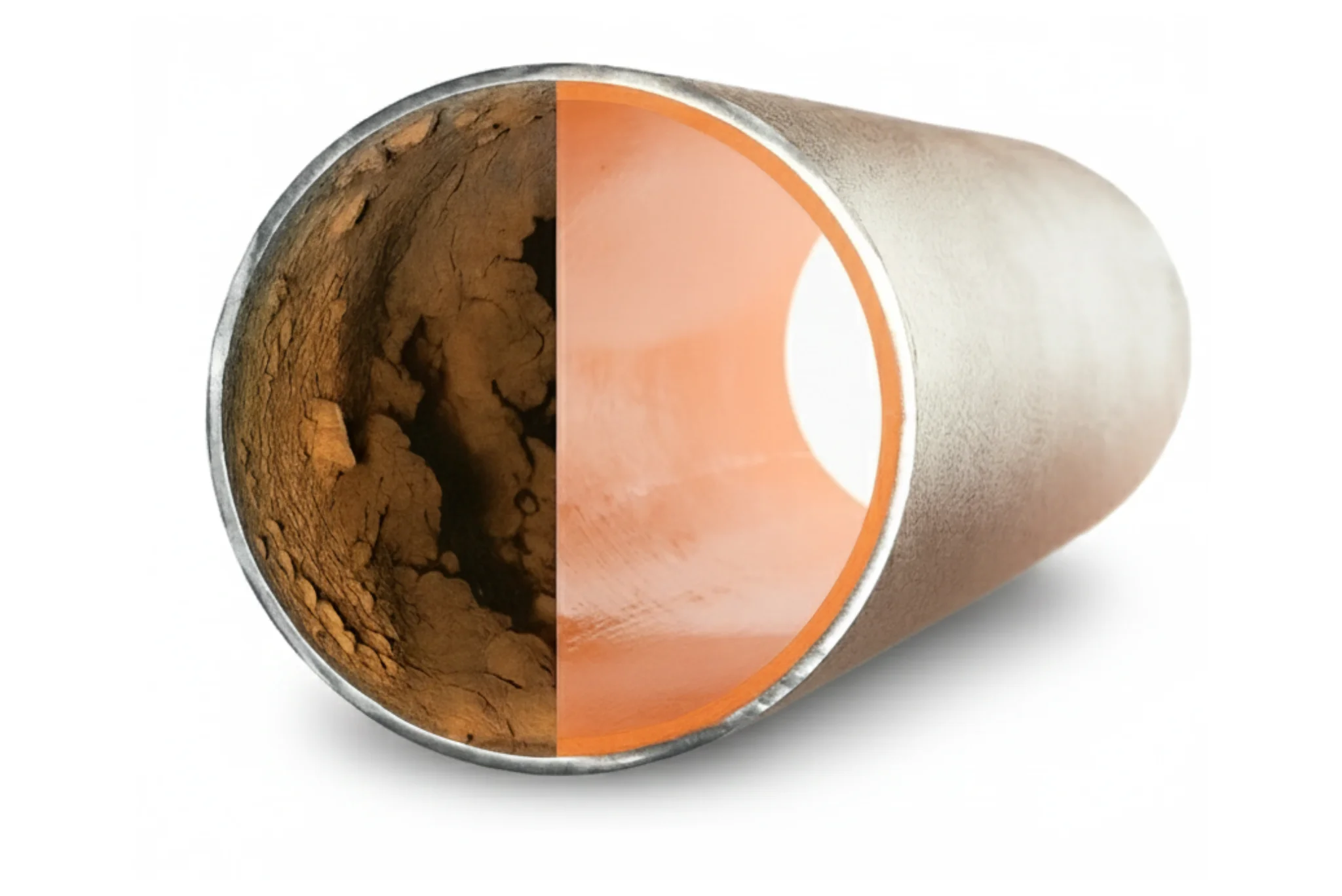
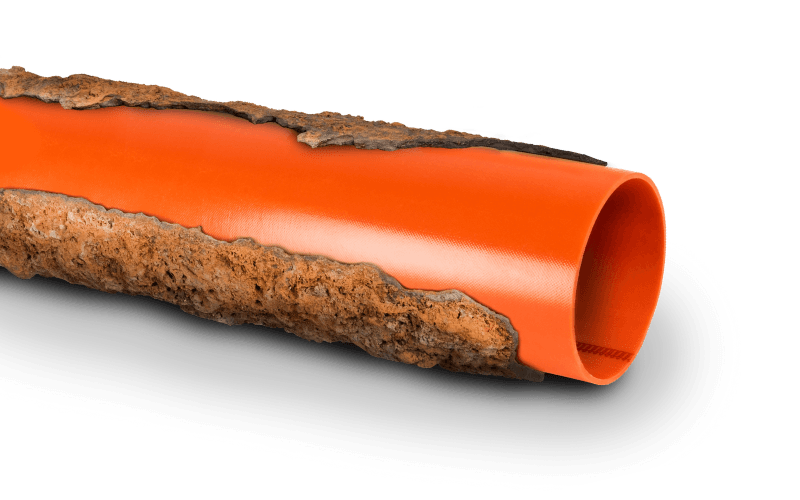
Hydro jetting removes root mass before freeze/thaw cycles can use the intrusion point to crack the pipe further. For lines with significant root intrusion, pipe lining seals the entry point permanently.
Address Known Drain Slowdowns Now
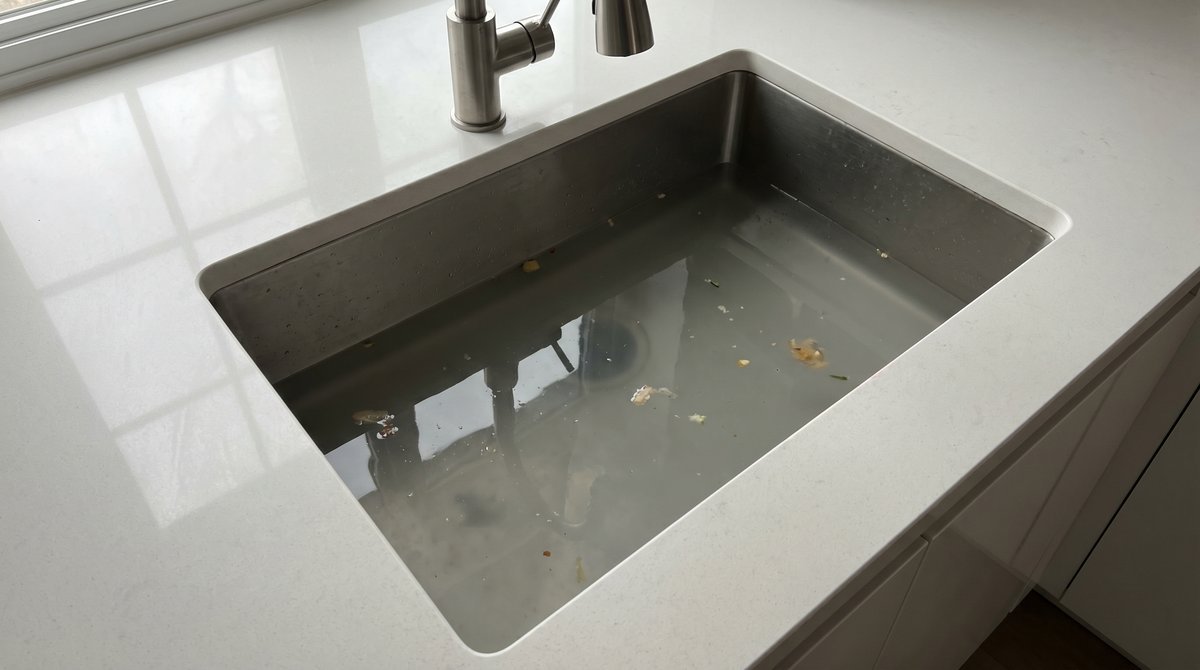
If a drain has been slow through the summer and fall, do not wait for winter to force the issue. A partial blockage that drains sluggishly in warm weather can become a full backup when grease congeals in cooler temperatures.
Keep Grease Out of Kitchen Lines
In winter, grease cools faster in the pipe. Never pour grease down the drain. The EPA identifies fats, oils, and grease as a top cause of sewer blockages, and that risk increases in cold weather.
Colorado Springs Freeze/Thaw and Clay Pipes
Many Colorado Springs neighborhoods were built between 1950 and 1975, when clay pipe was the standard material. Clay pipes have a finite lifespan and the Front Range freeze/thaw cycle accelerates deterioration in older lines. If your home is in this age range and you have never had a camera inspection, before-winter is the right time to get one.
Frequently Asked Questions
When is the best time to get a sewer inspection before winter?
Fall – before the ground freezes and before the holiday period when plumbers are in high demand. September through November is ideal.
Can tree roots freeze inside a sewer pipe?
Yes. Root mass inside a pipe can freeze, and the expansion can crack the pipe wall further. This is another reason to clear root intrusion before winter.
Does pipe lining hold up through Colorado winters?
Yes. Cured-in-place pipe lining is flexible and designed to handle ground movement. It also seals the pipe joints that are the most vulnerable points during freeze/thaw cycles.
Do not head into winter with a compromised sewer line. Schedule a camera inspection now with Alphalete Trenchless Pipelining. Call (720) 807-3224.