Gurgling Drains and Sewer Smells: What They Mean and What to Do
Gurgling drains and sewer smells are easy to dismiss – an occasional noise, a faint odor that comes and goes. But these are your plumbing system’s way of telling you something is wrong. Ignoring them usually means the underlying problem gets worse and more expensive to fix.
Here’s what these symptoms actually mean and when you need to take action.
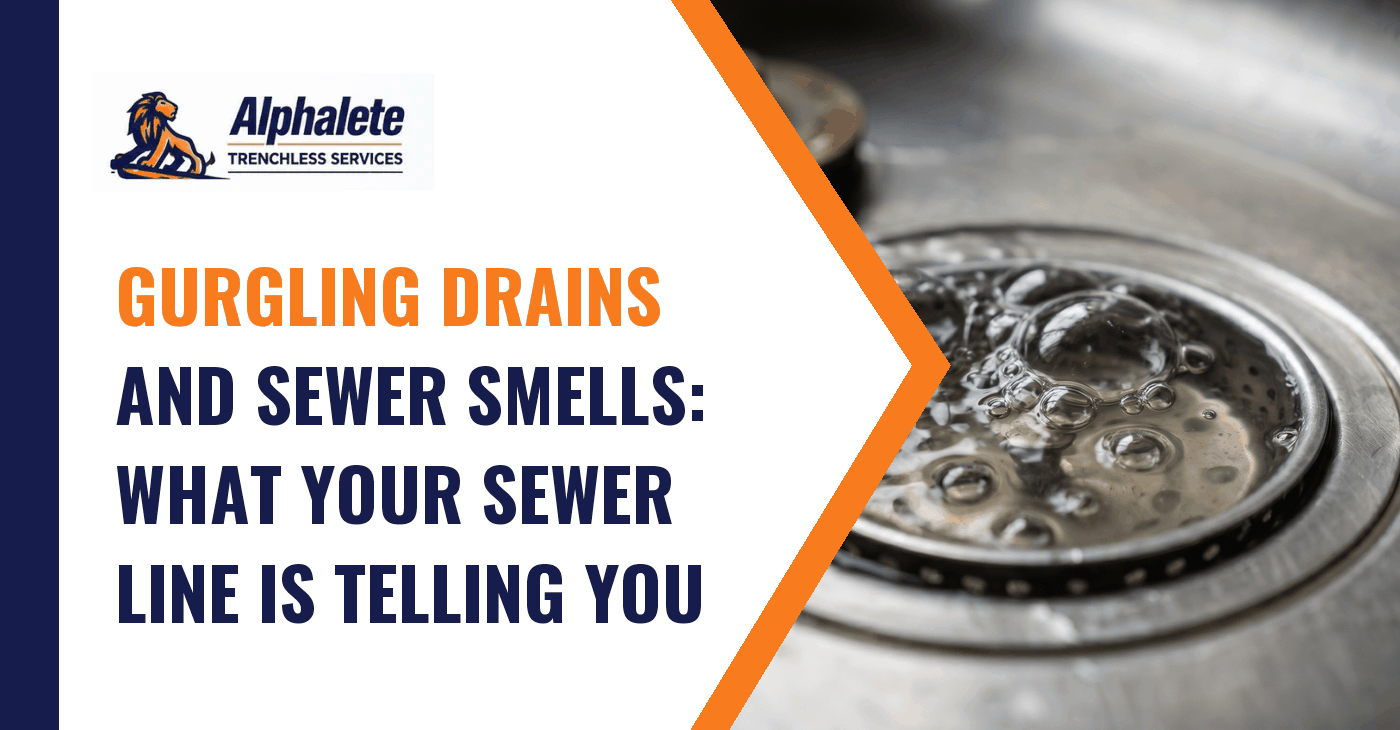
What Causes Gurgling Drains?
Gurgling happens when air is displaced through water. In a properly functioning drain system, wastewater flows freely and air moves through the vent pipes on your roof. When something disrupts that airflow, you hear gurgling.
Partial Drain Blockage
The most common cause. When something partially obstructs the drain, wastewater slows and the air that should move freely gets pushed backward – bubbling up through the water in the trap and creating that gurgling sound.
Blocked or Obstructed Vent Pipe
Your plumbing system has vent pipes that exit through the roof. These allow air into the system so drains can flow freely. If a vent is blocked – by a bird nest, leaves, or ice in winter – the system tries to pull air through other drains. You hear gurgling, typically first from the lowest drain in the house.
Main Sewer Line Problem
Gurgling from multiple drains at once – the toilet gurgles when you run the bathroom sink, or the floor drain gurgles when you flush – is a sign of a problem in the main sewer line. This is more serious than a localized clog and needs professional diagnosis. A sewer camera inspection reveals whether roots, cracks, or a belly in the main line are causing the issue.
What Causes Sewer Smells Inside the House?
Dry P-Trap
The P-trap is the curved section of pipe under every sink, shower, and floor drain. It holds a small amount of water that blocks sewer gas from entering the home. If a drain isn’t used for a while, the water in the trap evaporates – and sewer gas comes up. Run water through infrequently used drains every few weeks to keep P-traps filled.
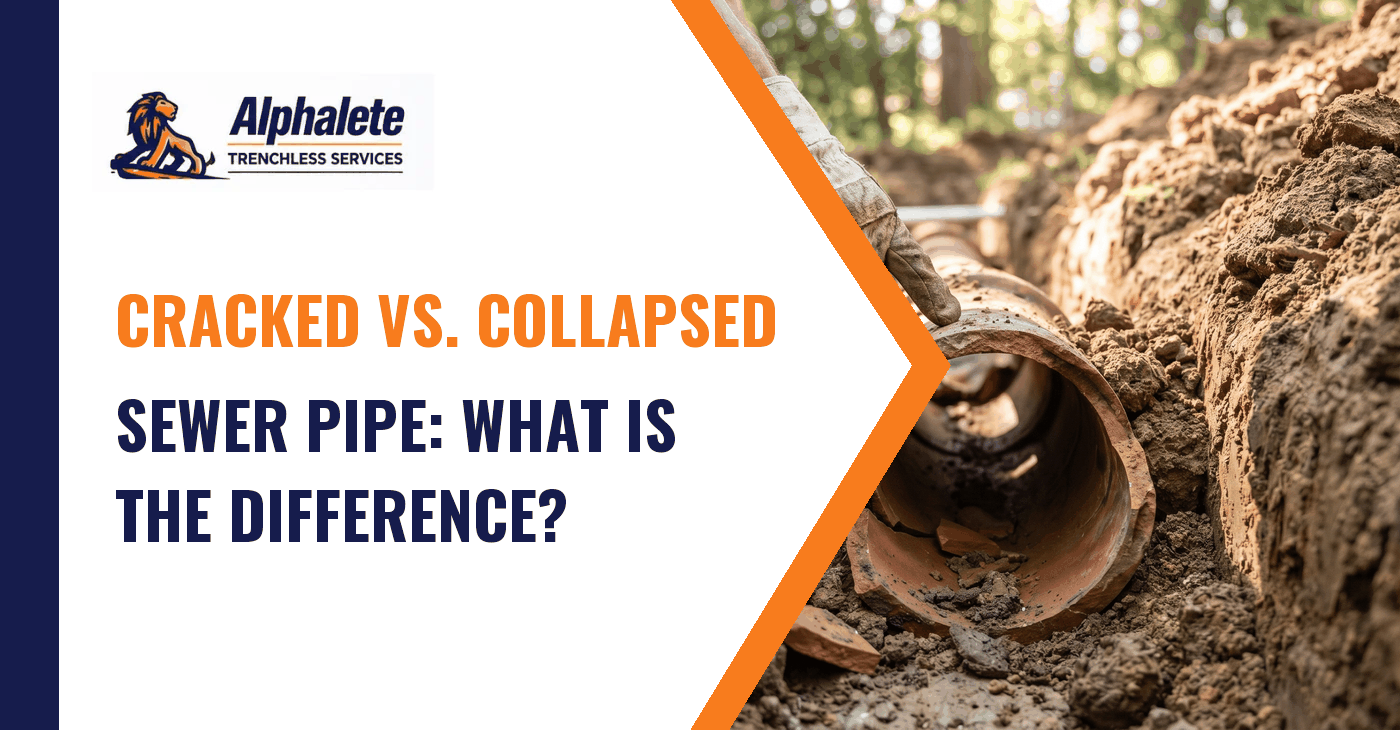
Cracked or Damaged Sewer Pipe
When a sewer pipe has cracked or separated, sewer gas can escape into the soil around it and sometimes find its way into the home through foundation cracks or utility penetrations. This is different from a dry trap – the smell is persistent, not occasional, and often detectable in multiple areas. The CDC notes that hydrogen sulfide and methane in sewer gas are both odorous and potentially hazardous at high concentrations.
Blocked Vent Pipe
A blocked vent not only causes gurgling – it can also cause sewer odors. When air can’t exit through the roof, pressure builds and pushes sewer gas back into the living space through drains.
Full or Partial Main Line Blockage
A sewer line that drains slowly develops organic buildup inside the pipe. This produces odors that travel back through drain openings. Professional drain cleaning removes this buildup, and a camera inspection identifies whether the underlying pipe is intact or damaged.
What to Do When You Have Gurgling Drains or Sewer Smells
Start With the Simple Check
Pour water down any drains that haven’t been used recently. If the smell resolves after a minute, a dry P-trap was the cause.
Run Water From Multiple Fixtures
If you hear gurgling from more than one drain when water is running, or if flushing the toilet causes gurgling elsewhere, you’re looking at a main line issue. Don’t keep running water – stop use and call a plumber.
Don’t Use Chemical Drain Cleaners
Chemical drain cleaners don’t address the root cause of gurgling or odors, and they can damage older pipes – especially cast iron. They provide temporary relief at best and mask problems that need real diagnosis.
Get a Camera Inspection if Problems Persist
If gurgling or odors persist after checking P-traps and the symptoms involve multiple drains, a sewer camera inspection is the right next step. It shows exactly what’s happening inside the line – blockage location, root intrusion, pipe condition – so repairs target the actual cause.
Frequently Asked Questions
Is gurgling always a sign of a serious problem?
Not always. A single gurgling drain is often a partial clog or a dry trap – easily addressed. Gurgling from multiple drains simultaneously is more concerning and suggests a main line issue.
Are sewer smells dangerous?
At low concentrations, sewer gas (primarily hydrogen sulfide and methane) causes odor and potential headaches. At higher concentrations, it can be hazardous. Persistent sewer smells inside the home should be investigated and resolved, not just tolerated.
Can I check my roof vent pipes myself?
Only if you’re comfortable and safe doing so. A blocked vent is sometimes visible from the roof. More often, the cause of vent problems – or whether a vent is actually the issue – is best confirmed by a plumber.
How long does a sewer camera inspection take?
Most residential inspections are completed in 30 to 60 minutes. You watch the footage in real time and leave with a clear diagnosis.
Gurgling drains or persistent sewer smells? Don’t wait for a backup. Schedule a diagnosis with Alphalete Trenchless Pipelining today. Call (719) 650-2273.