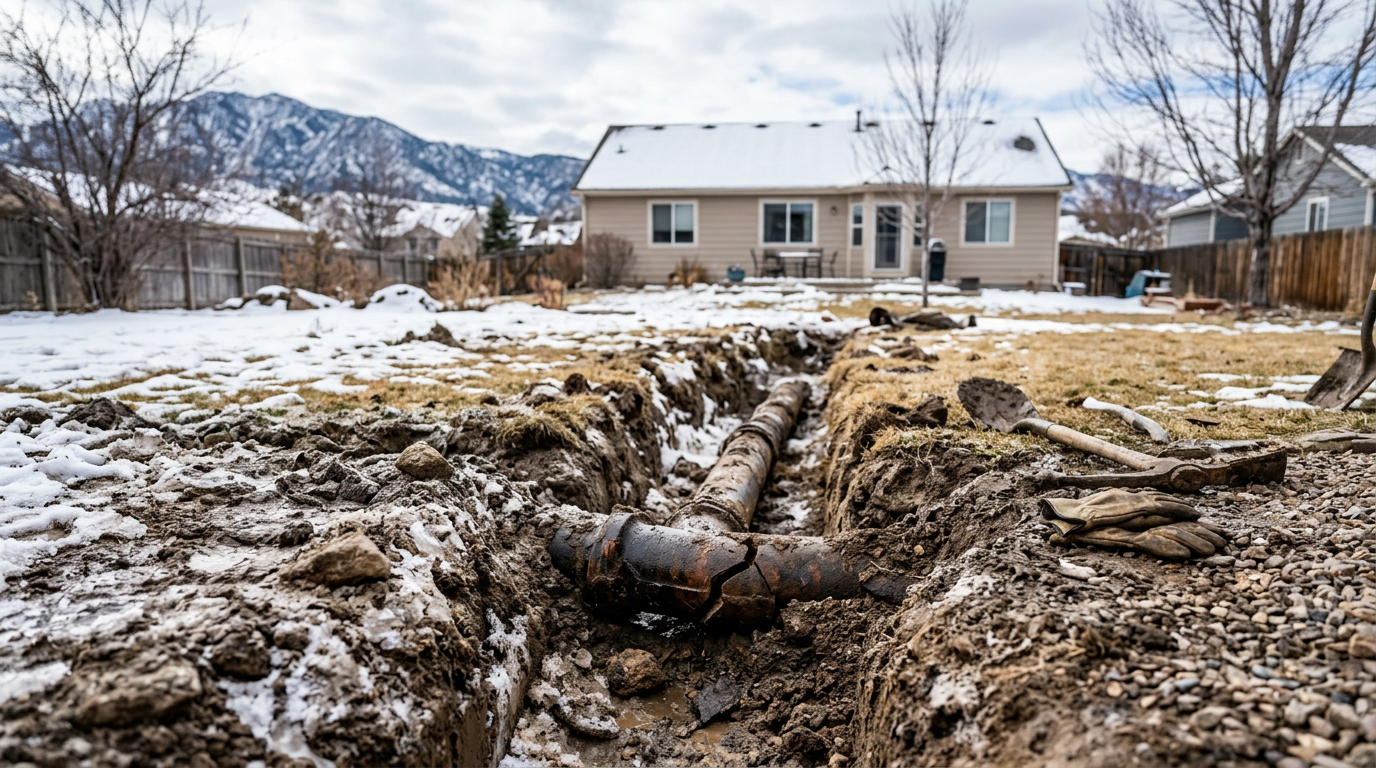
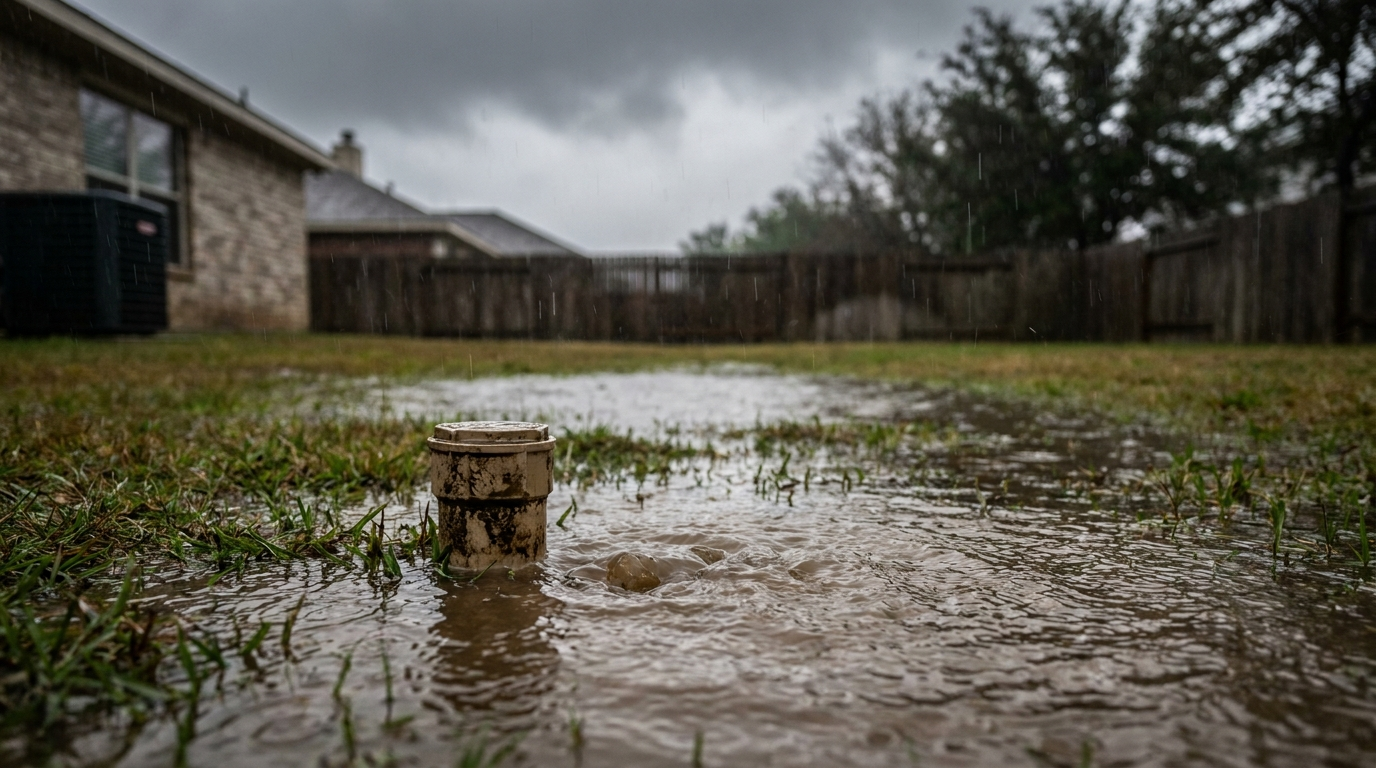
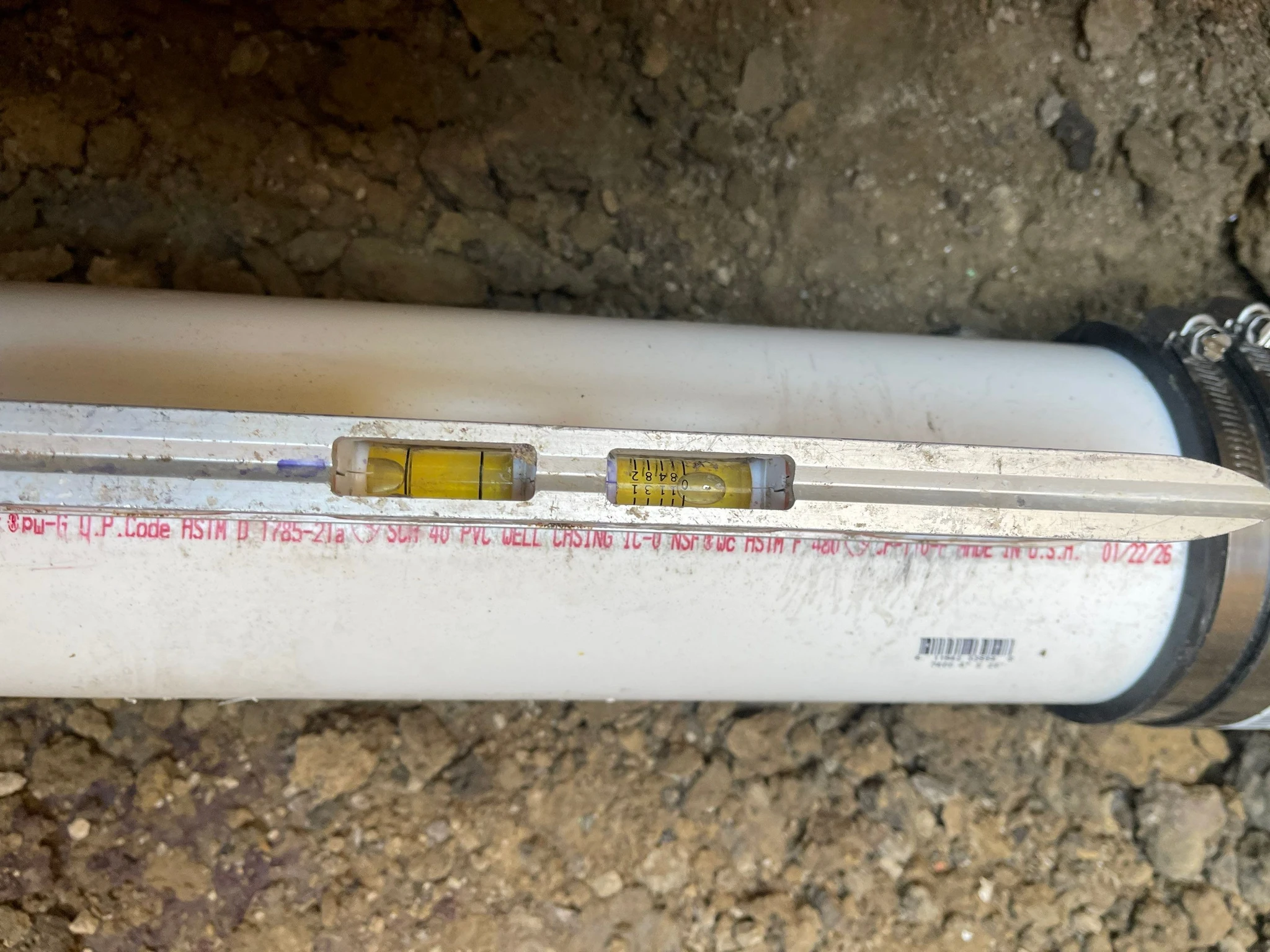
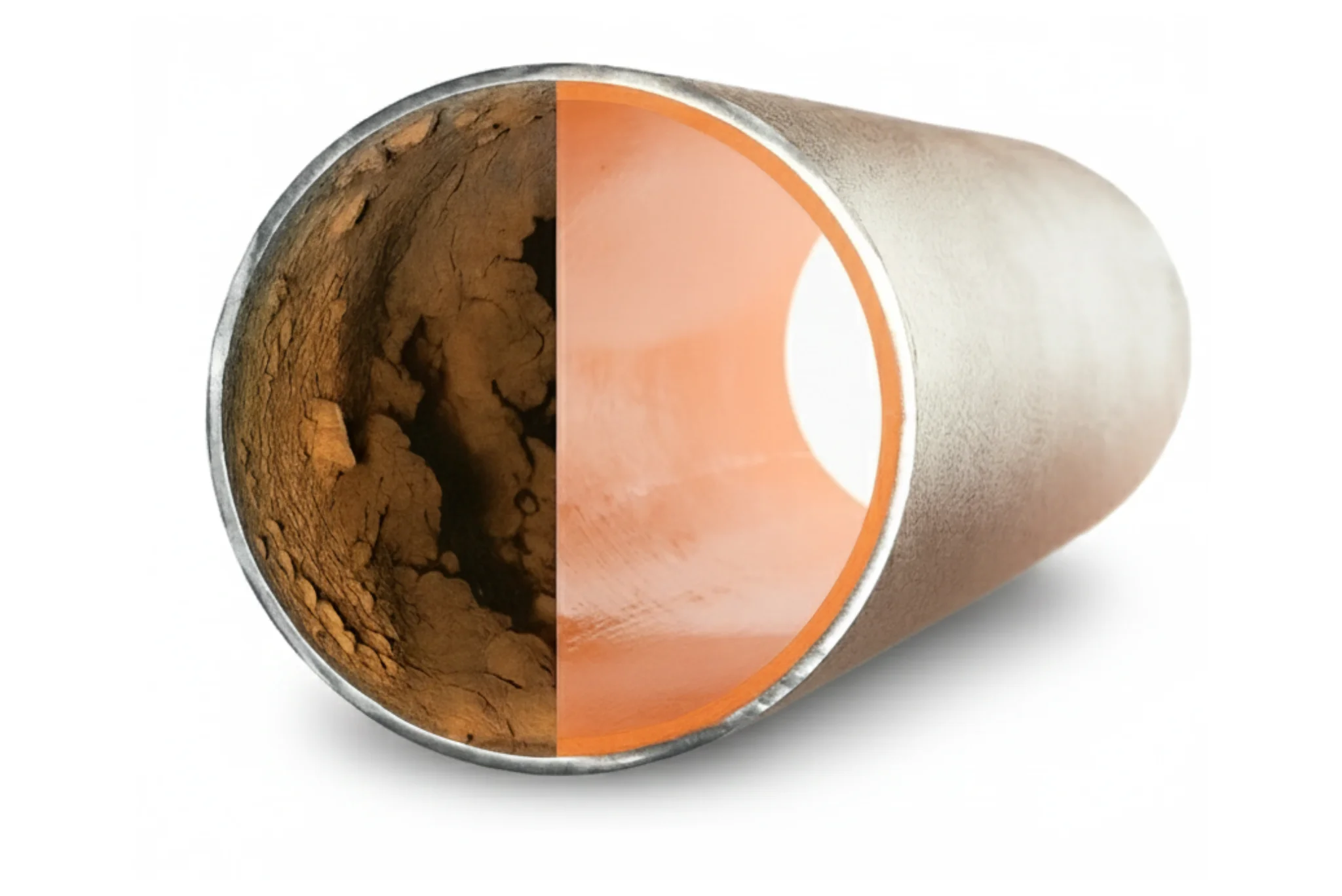
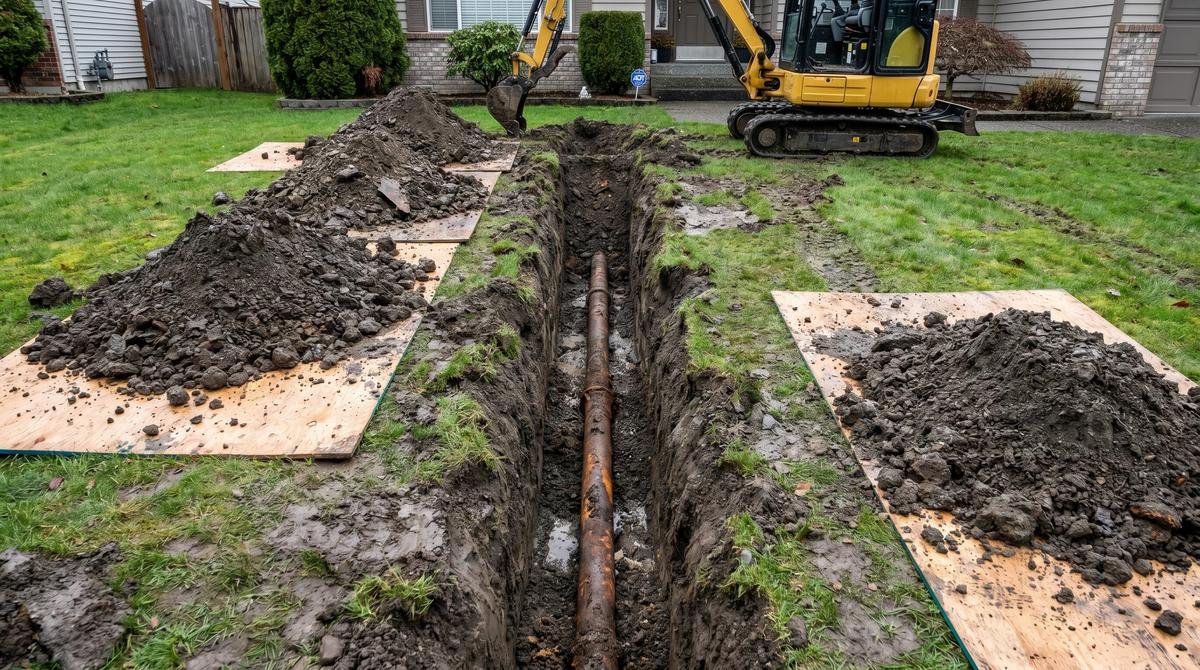
The practical difference for a homeowner comes down to this: cast iron is strong and quiet but corrodes and eventually fails, while PVC does not corrode and is what most repairs and new sewer lines use today. If you own...
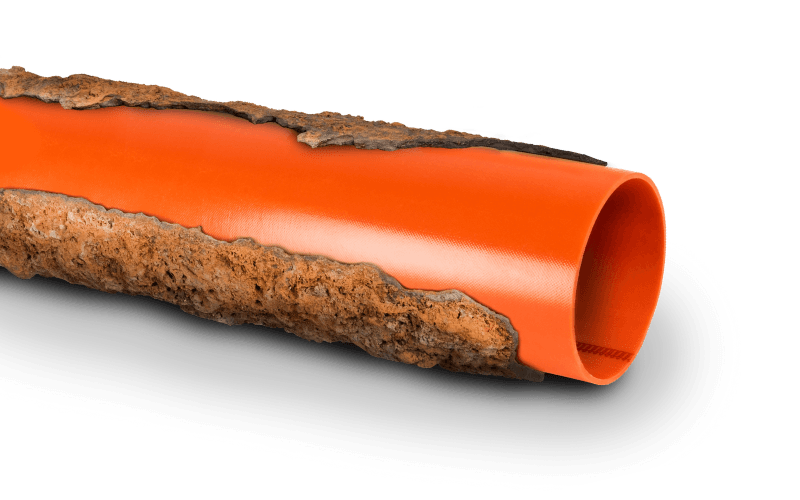
Yes. In most cases where the pipe still has enough structure left, corroded cast iron sewer pipes can be relined with trenchless CIPP, short for cured-in-place pipe, which forms a new pipe inside the old one without digging. Lining is...
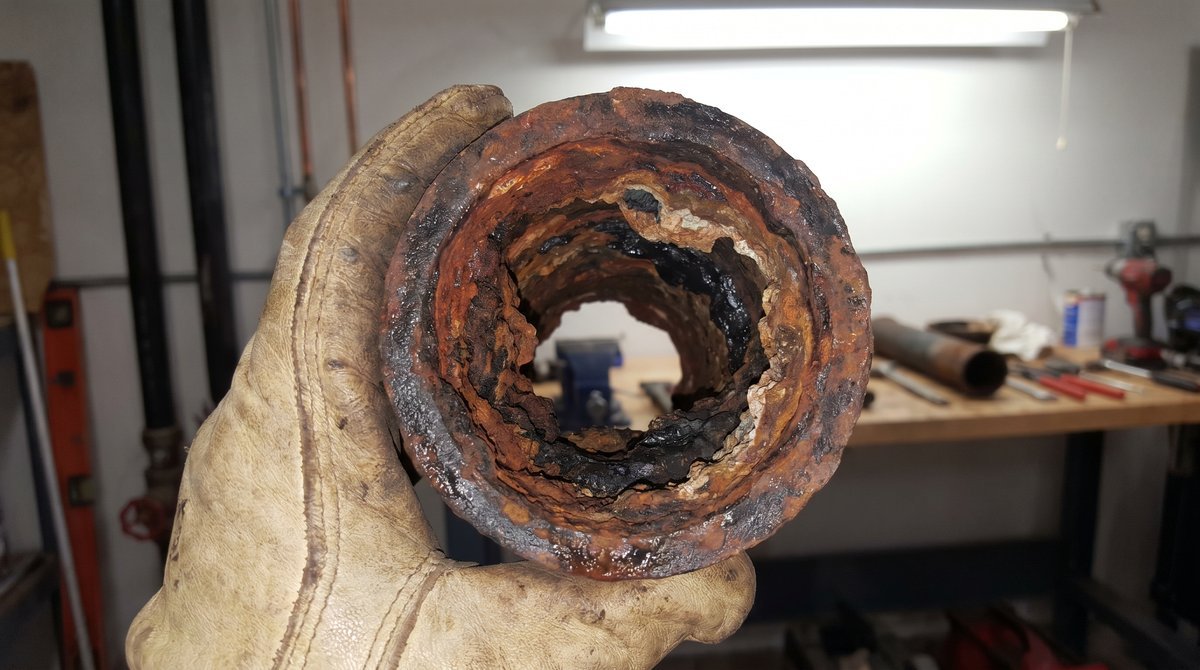
Cast iron sewer pipes generally last about 50 to 100 years, but corrosion can begin decades earlier depending on soil, water chemistry, and how the line is used. That range matters in Colorado Springs, because homes built before the early...
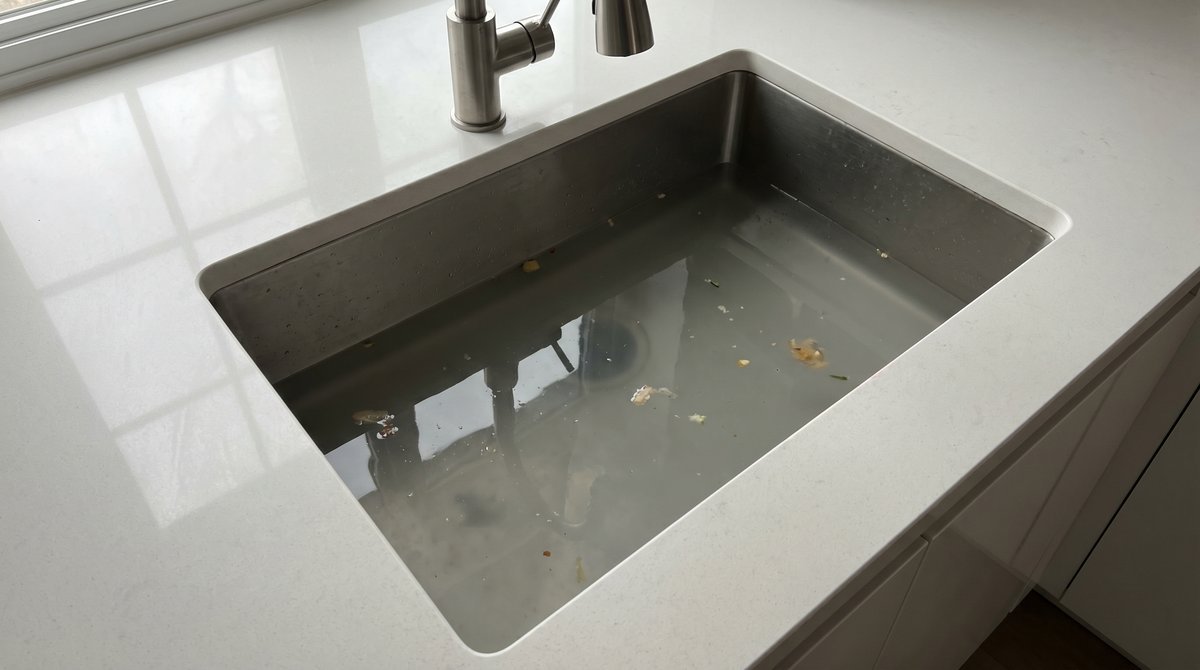
If your Colorado Springs home was built before the early 1980s, its main sewer line is very likely cast iron, and cast iron corrodes from the inside out as it ages. The most common signs of failing cast iron pipes...
Most homeowners do not think about their sewer line until something goes wrong. A backup, a smell, drains that suddenly stop working – these are reactive moments that come with an emergency price tag and a lot of inconvenience. A...
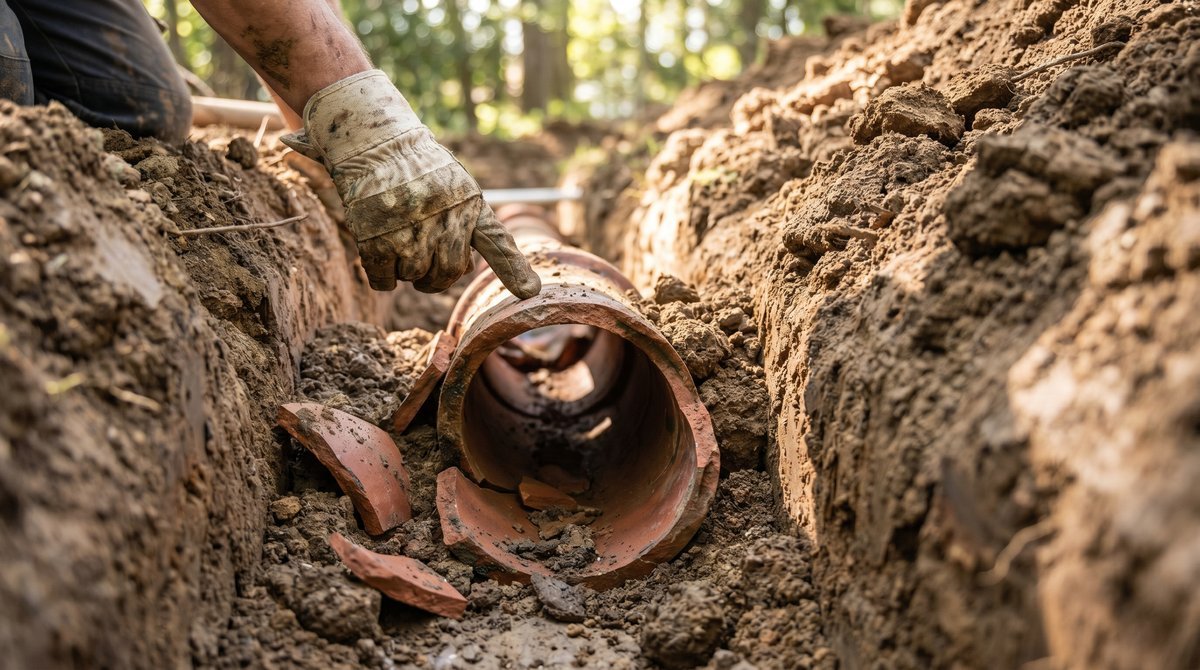
A large percentage of Colorado Springs homes were built between 1950 and 1980. If your home is in that range, your sewer line is probably made of clay or cast iron – and it may be approaching the end of...
Colorado Springs gets cold – and not just cold. The Front Range has rapid freeze/thaw cycles that put real stress on underground pipes. A sewer line that made it through a mild fall can develop serious problems once winter sets...
If you manage apartment complexes, retail properties, or multi-unit buildings in Colorado Springs, sewer and drain problems come with the territory. The question is how you handle them – reactively after a backup, or proactively before one happens. The Drain...