Should You Get a Sewer Scope Inspection Before Buying a Home?
Yes. Especially in Colorado Springs.
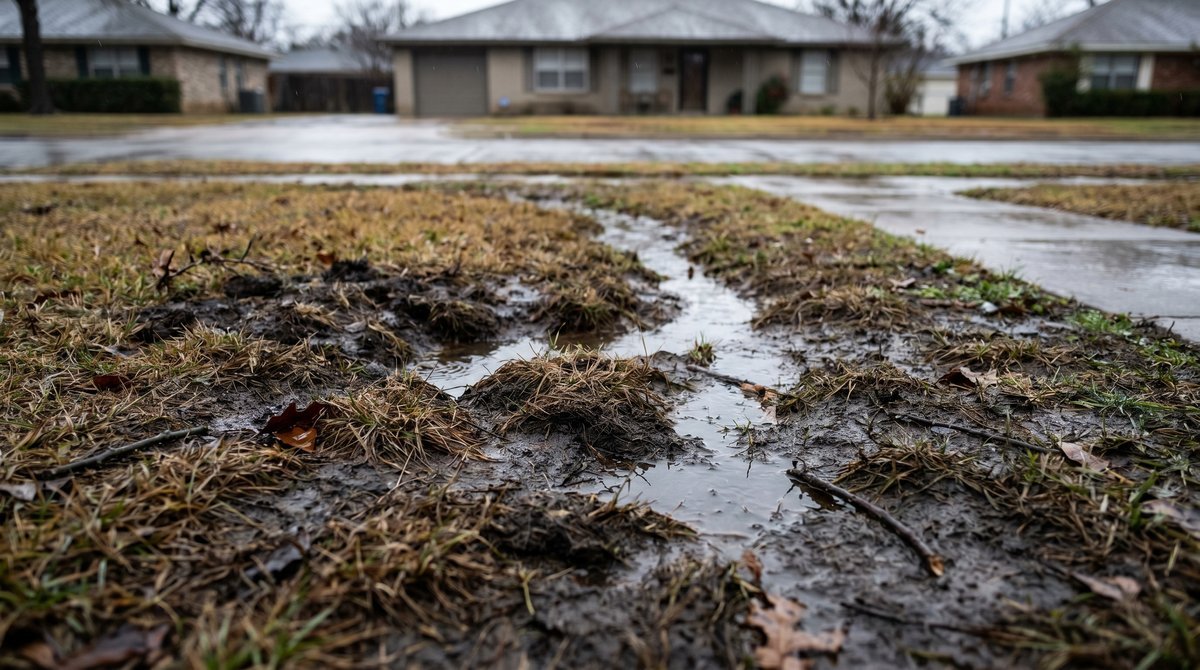
A standard home inspection checks a lot of things – roof, foundation, electrical, HVAC. But it does not look inside the sewer line. The inspector cannot see what is happening 50 feet underground. That is where a sewer scope inspection comes in.
What Is a Sewer Scope Inspection?
A sewer scope inspection is when a small camera is inserted into the sewer line through a cleanout access point. It transmits live video so you can see the inside of the pipe – from your home all the way to where it connects to the city sewer. The whole thing takes 30 to 60 minutes. The findings can save you thousands of dollars.
Learn more about sewer scope inspections and what to expect.
What Can a Sewer Scope Find That a Regular Inspection Misses?
Tree Root Intrusion
Mature trees near the sewer line are one of the most common findings. Roots grow into the pipe through cracks or joint gaps. They are invisible from the surface – but completely obvious on camera.
Cracked or Broken Pipe
Old clay pipes crack. Older cast iron pipes corrode and fracture. The camera shows exactly where damage exists and how severe it is.
Pipe Belly or Sag
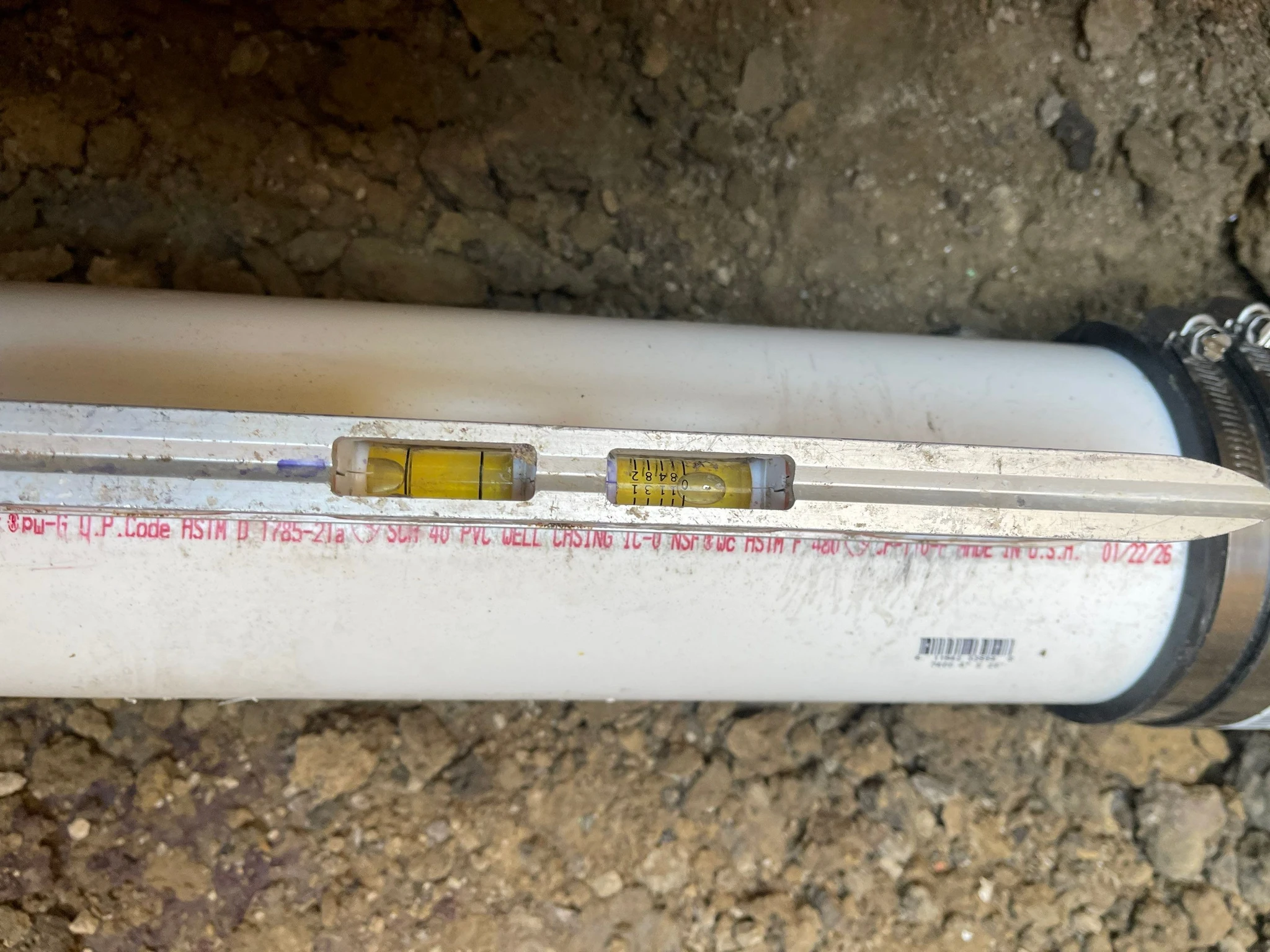
If the ground has settled under the sewer line, the pipe can develop a low spot (called a belly). Waste and debris collect there and lead to chronic backups. This is not something a home inspector can see without a camera.
Old or Failing Pipe Material
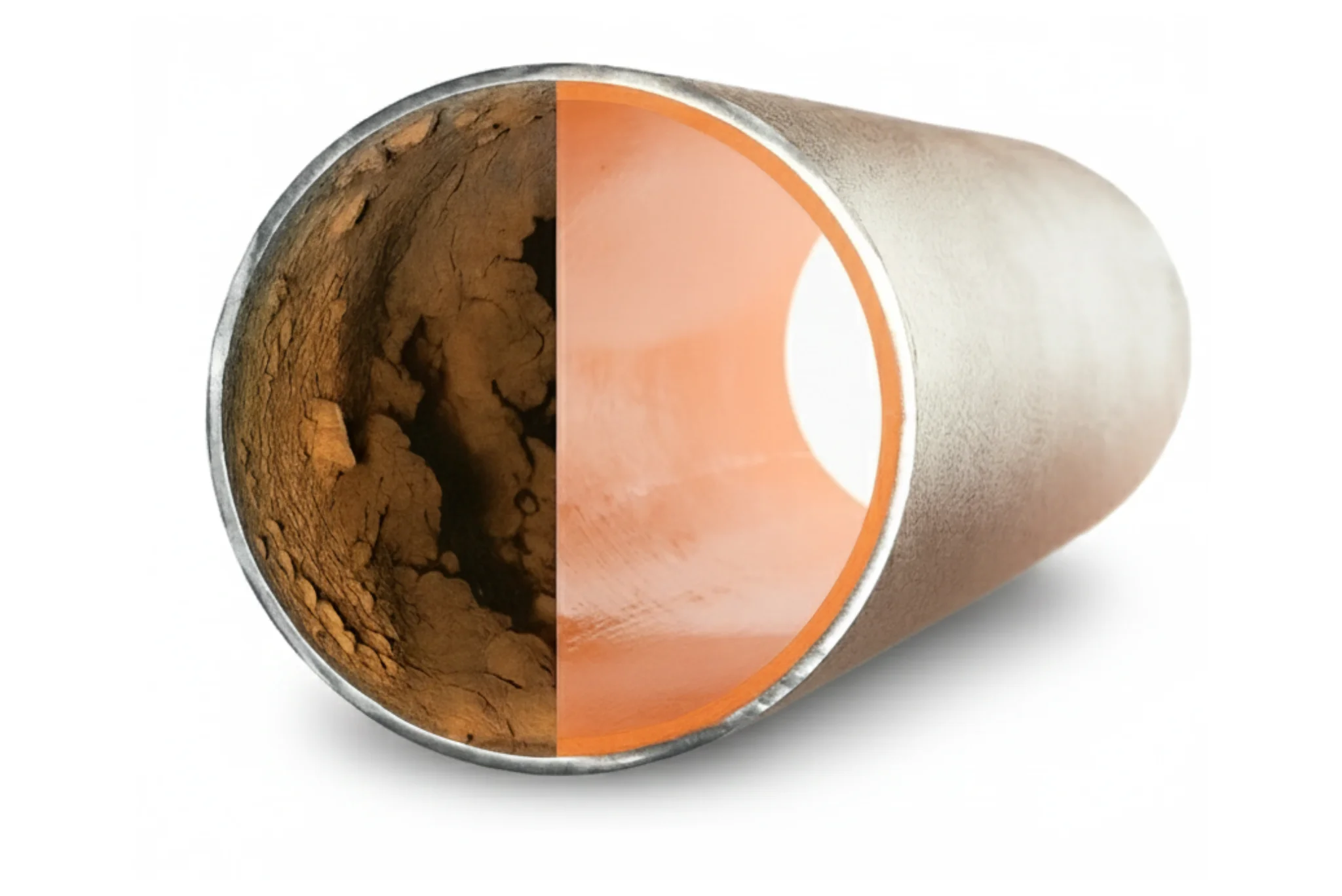
The camera reveals what kind of pipe material is used and how it is holding up. Clay pipes from the 1950s and 60s have a limited lifespan. If the camera shows deteriorating material, you know you are looking at a near-term repair cost.
What Do These Problems Actually Cost to Fix?
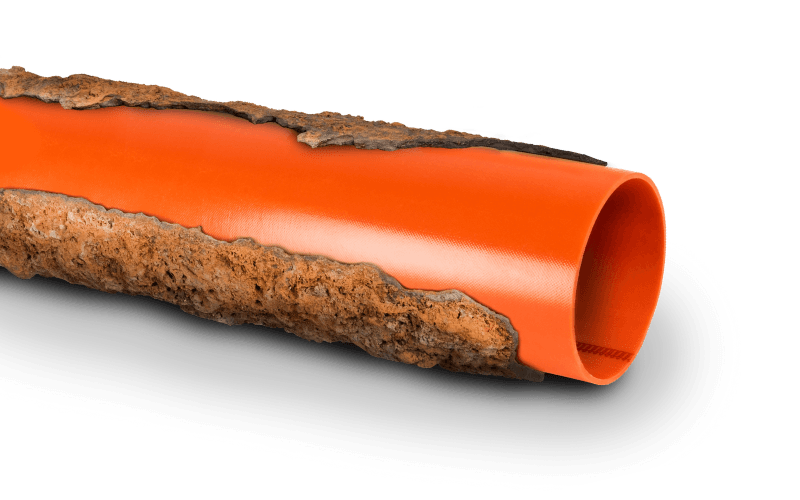
Minor cracks can be addressed with trenchless repair. Root intrusion may require hydro jetting and pipe lining. A full collapse can be significantly more costly depending on depth and location.
None of these are small costs. Finding out before closing gives you options: ask the seller to repair it, negotiate a credit, or walk away. Finding out after closing gives you none of those options.
Is a Sewer Scope Required When Buying a Home?
No – it is optional. But it is strongly recommended, especially when the home was built before 1985, there are mature trees in the yard, or the home has had any history of drain issues.
The American Society of Home Inspectors specifically recommends sewer scope inspections as part of thorough pre-purchase due diligence.
Who Owns the Sewer Lateral?
The sewer lateral – the pipe running from your home to the city main – is the homeowner’s responsibility, not the city’s. Colorado Springs Utilities manages the main sewer lines under the street, but once it reaches your property line, the lateral line is yours. A sewer scope before buying tells you exactly what you are taking on.
Frequently Asked Questions
How long does a sewer scope inspection take?
Most residential sewer scopes are done in 30 to 60 minutes.
Do I get a recording of the inspection?
Yes. Most sewer scope inspections are recorded, and you receive the footage. This is useful documentation for negotiations and for future reference as the homeowner.
What is the difference between a sewer scope and a plumbing inspection?
A standard plumbing inspection checks accessible fixtures, water pressure, and visible pipe connections. A sewer scope is specifically about the underground lateral line – the part that cannot be seen without a camera.
Buying a home in Colorado Springs? Schedule a sewer scope inspection before you close. Call Alphalete Trenchless Pipelining at (720) 807-3224.