If you only get a sewer backup when it rains, that is not a coincidence. Colorado gets its heaviest summer rain during what locals call monsoon season, and that extra water can expose a weak spot in a sewer line that never caused trouble during the dry months. Here is why that happens, and what the warning signs look like before a full backup hits.
Why does my sewer back up when it rains?
Heavy rain sends more water into the ground and into the sewer system than usual. If your own line already has a small crack, a loose joint, or root intrusion, that extra water can work its way in through the weak spot faster than the pipe can carry it away. Plumbers sometimes call this inflow and infiltration, which just means rainwater is getting into a pipe that is supposed to carry only wastewater. Once the line fills up, the water has to go somewhere, and it often pushes back up through the lowest drains in the house.
Is this really a monsoon in Colorado?
Colorado is not in the heart of the monsoon the way Arizona is, but the Front Range does feel its effects. According to Colorado State University’s Colorado Climate Center, the North American Monsoon typically ramps up in July and continues through August, bringing a shift in wind patterns that pulls moisture up from the south. Colorado Springs in particular sees its heaviest precipitation of the entire year in July, driven largely by this pattern. Denver and the northern Front Range catch these storms too, especially in more active years, usually in the form of afternoon thunderstorms that can bring sudden, heavy rain and flash flooding.
That burst of moisture landing on ground that has been dry and shifting all summer is exactly the setup that exposes a weak sewer line.
Warning signs to watch for before a storm
You do not have to wait for a backup to know something is wrong. A line with a developing problem usually shows some signs first:
- Slow or gurgling drains, especially the lowest fixtures in the house, like a basement floor drain or a laundry sink.
- One drain gurgles when you run water somewhere else, such as a toilet bubbling while the washing machine drains, which means air is trapped in a line that is not flowing freely.
- A sewer smell near a cleanout or in the yard, which can mean a pipe is leaking underground before it fully clogs.
- Several drains slow at the same time, usually pointing to the main line rather than one fixture.
- A backup that only happens during or right after a storm, one of the clearest signs that rain is getting into a cracked or damaged line.
If you notice more than one of these, it is worth having the line checked before the next storm rolls through.
Why do Colorado’s clay soils make this worse?
Colorado’s Front Range sits on clay-heavy soil that expands when it gets wet and shrinks when it dries out. Over a hot, dry summer, that shrinking can pull a pipe joint slightly apart or widen a small crack that already existed. Then when a monsoon-season storm finally soaks that same ground, the water has an easy path straight into the pipe. This freeze-thaw and shrink-swell cycle is part of why older clay and cast iron sewer lines in Denver and Colorado Springs neighborhoods are more prone to this kind of seasonal backup than newer plastic pipe.
Tree roots and monsoon-season backups
Rain does something else underground too. It wakes up tree roots. Roots grow toward moisture, and a small leak in a sewer line is one of the most reliable water sources near a home. Roots do not create the crack in the first place. They find a crack or loose joint that is already there and grow into it over time, according to N.C. Cooperative Extension, which is why root problems mostly show up in older pipes that already have some damage. Once a root gets inside, it keeps growing and can block the line completely, and tree roots are behind a majority of sewer blockages nationwide, especially in older, cracked pipe. For a deeper look at how this plays out underground, see how tree roots damage sewer lines and what homeowners should know.
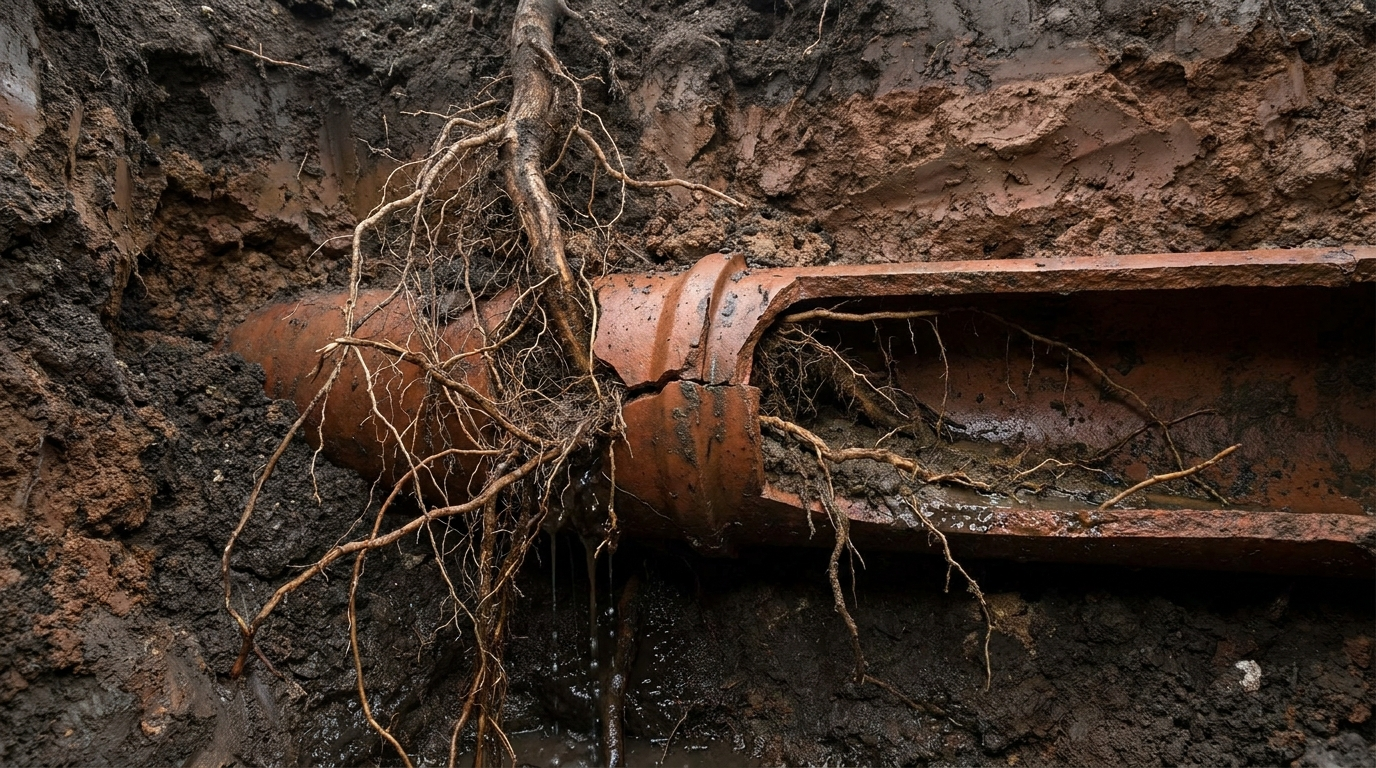
That combination, a joint pulled apart by dry summer soil plus a root finding its way in once the rain starts, is a big part of why so many Front Range sewer backups seem to appear out of nowhere right after a storm.
What actually fixes the problem
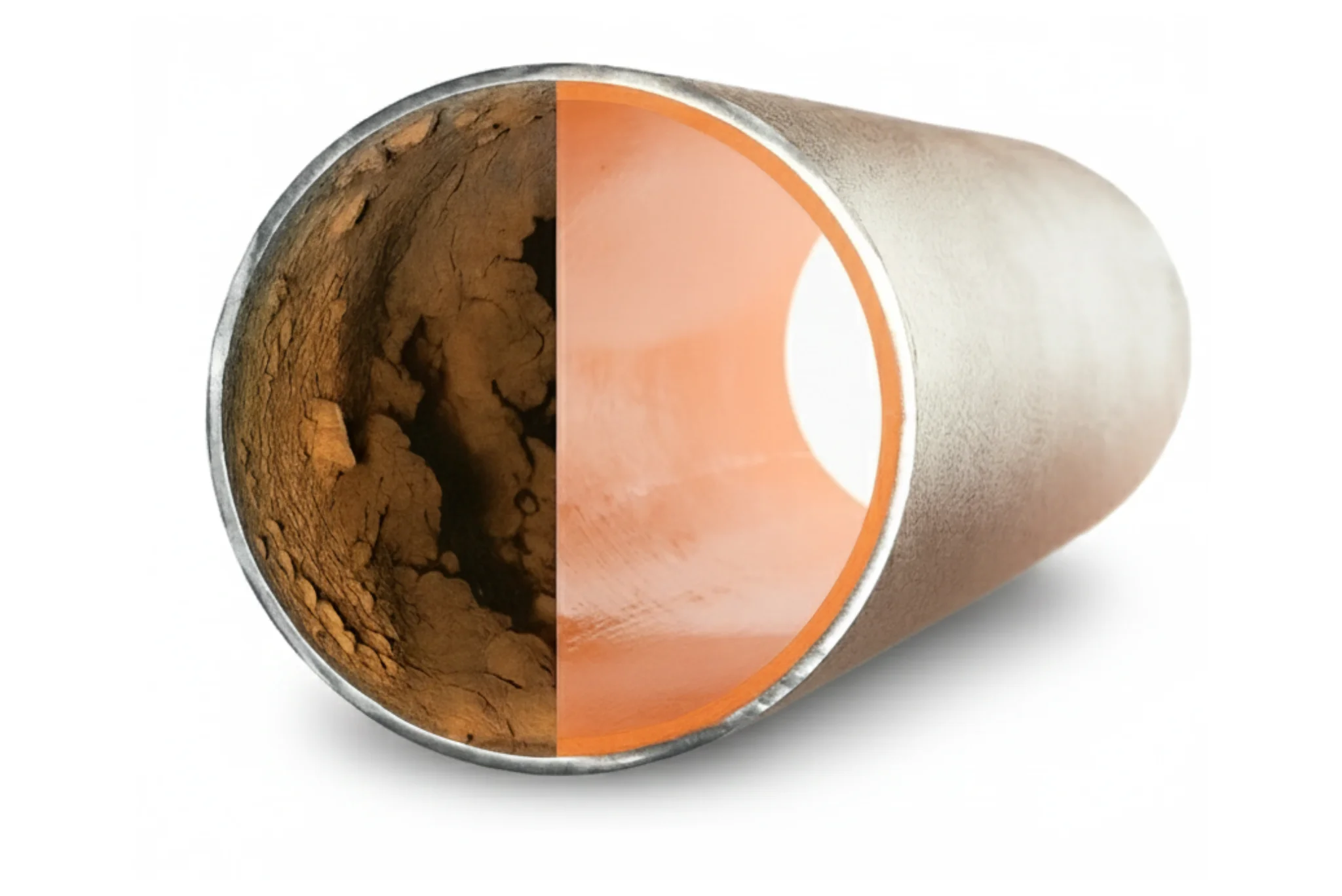
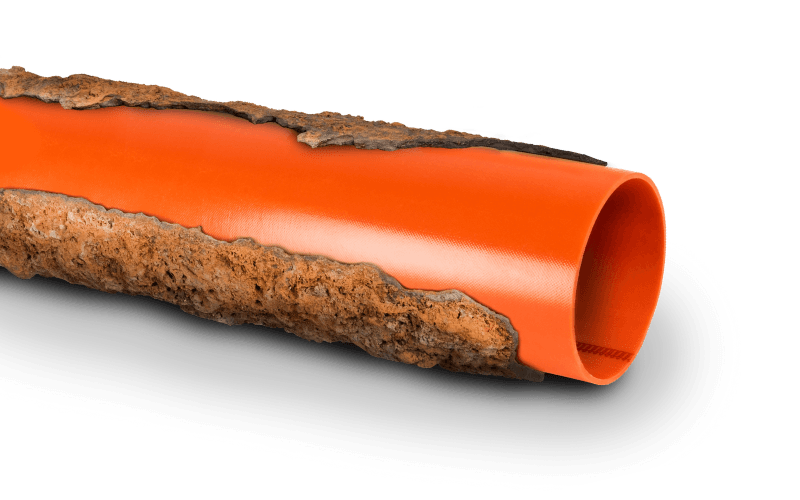
A storm cannot be stopped, but a cracked or root-damaged sewer line does not have to stay that way. The first step is always a camera inspection to see exactly where the pipe is compromised. From there, trenchless sewer repair can seal the line from the inside without digging up the yard, patio, or driveway. A cured-in-place liner creates a new pipe wall inside the old one, sealing the same cracks and joints that let rainwater and roots in to begin with. Once that liner is in place, the ground movement and root pressure that caused the original problem has nothing left to push through. Alphalete serves homeowners across Denver, Colorado Springs, and the surrounding Front Range, where this same mix of clay soil, older pipe, and seasonal storms shows up again and again.
Frequently Asked Questions About Rain and Sewer Backups
Why does my sewer only back up when it rains?
This usually means rainwater is getting into a cracked or damaged sewer line faster than it can drain, which pushes water and waste back up through the lowest drains in your home.
Does Colorado really have a monsoon season?
Yes, though it is different from Arizona’s. Colorado sits on the edge of the North American Monsoon, and Colorado Springs in particular sees its highest rainfall of the year in July from this pattern.
Can tree roots really cause a sewer backup?
Yes. Roots grow toward the moisture from a small leak and can grow large enough to block the pipe completely, especially in older lines that already have some damage.
Is a slow drain during monsoon season a big deal?
It can be an early warning sign. A drain that is slow only during or after storms is often telling you that rain is getting into the line somewhere it should not be.
Does trenchless repair work on Denver and Colorado Springs homes?
Yes. It is often a strong option for the older clay and cast iron pipe common in Front Range neighborhoods, since the cured liner seals cracks and joints without digging up the yard.