Is Hydro Jetting Safe for Cast Iron Pipes?
Cast iron is one of the tougher pipe materials – it was the standard for residential and commercial drain systems for decades. But older cast iron pipes also develop heavy internal scaling, corrosion, and sometimes structural weakness. That raises a reasonable question: is hydro jetting safe for them?
The short answer is: it depends on the pipe’s condition, and a camera inspection tells you where yours stands.
What Hydro Jetting Does to Cast Iron Pipes
Hydro jetting uses high-pressure water to scour pipe walls. For cast iron, it’s highly effective at removing the heavy scale buildup that develops inside older pipes over decades. This scale – a combination of mineral deposits, corrosion byproducts, and organic material – progressively narrows the pipe and creates irregular surfaces where grease and debris collect faster.
Properly applied hydro jetting restores significant flow capacity to cast iron pipes that have been narrowed by buildup.
When Hydro Jetting Is Safe for Cast Iron
Hydro jetting is appropriate for cast iron pipes when:
- The pipe wall is structurally intact – no major fractures, thin spots, or through-holes
- The scale buildup is heavy but the underlying pipe is sound
- A camera inspection confirms the pipe can handle the pressure
In these cases, hydro jetting is the most effective cleaning method available. It removes scale and organic buildup that snaking can’t touch.
When Hydro Jetting Is Not Recommended for Cast Iron
Hydro jetting puts real pressure on the pipe walls – typically 2,000-4,000 PSI depending on the application. For cast iron pipes that are already structurally compromised, that pressure can worsen existing damage:
- Pipes with significant fractures or through-holes from corrosion
- Pipes where the wall has thinned to the point of near-failure
- Sections that show active rust-through on camera
For these pipes, the right sequence is camera inspection first – then a decision about whether to jet, line, or replace.
The Right Sequence: Camera First, Then Jet
Any reputable hydro jetting service should recommend a camera inspection before jetting an older cast iron system. The camera shows:
- The degree of scaling and buildup
- Whether the pipe wall is structurally sound
- Whether any sections are cracked, fractured, or corroded through
- Whether lining is needed after jetting
Skipping the camera and jetting blind on an older cast iron pipe is a risk. The camera inspection removes that risk.
What Happens After Hydro Jetting Cast Iron?
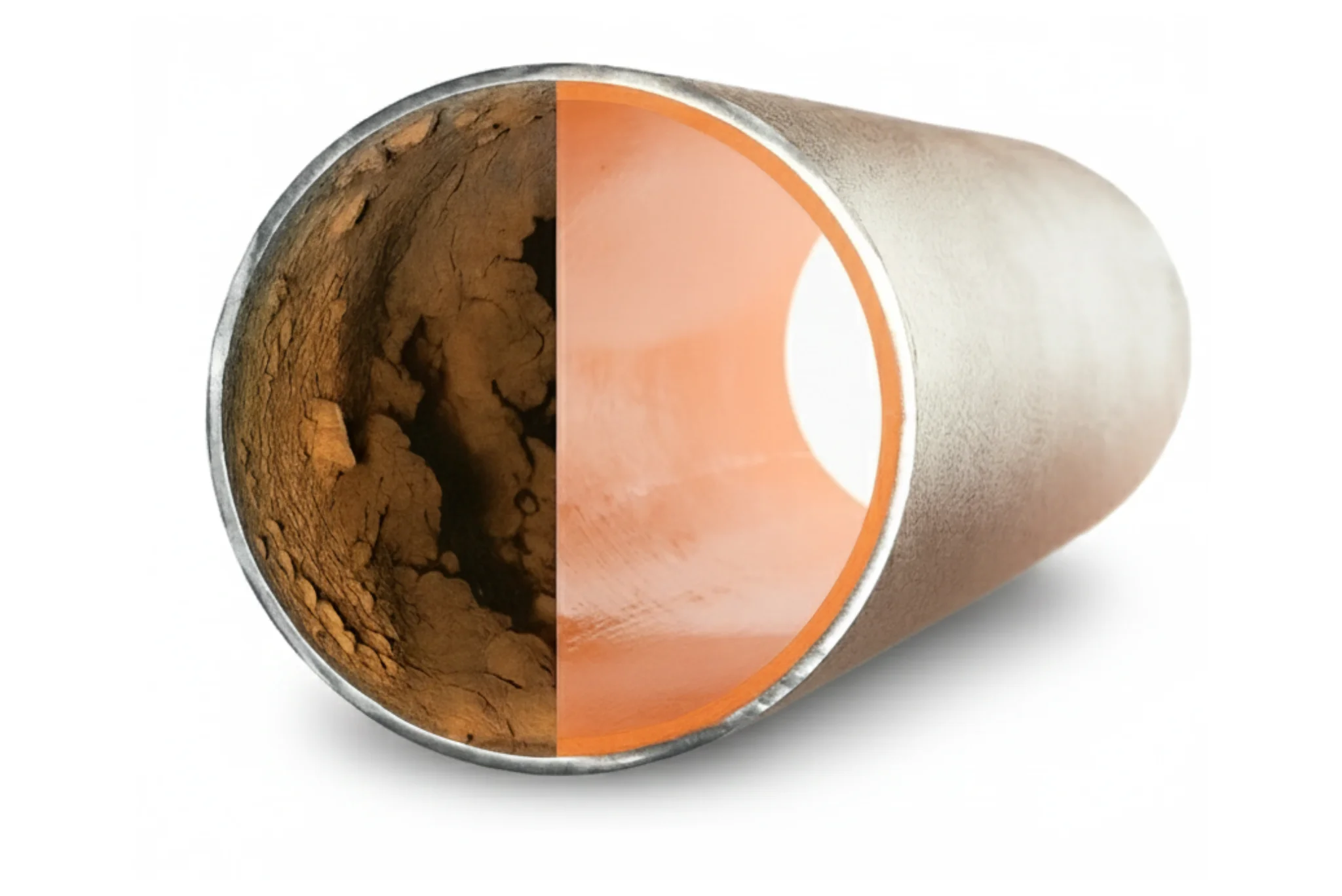
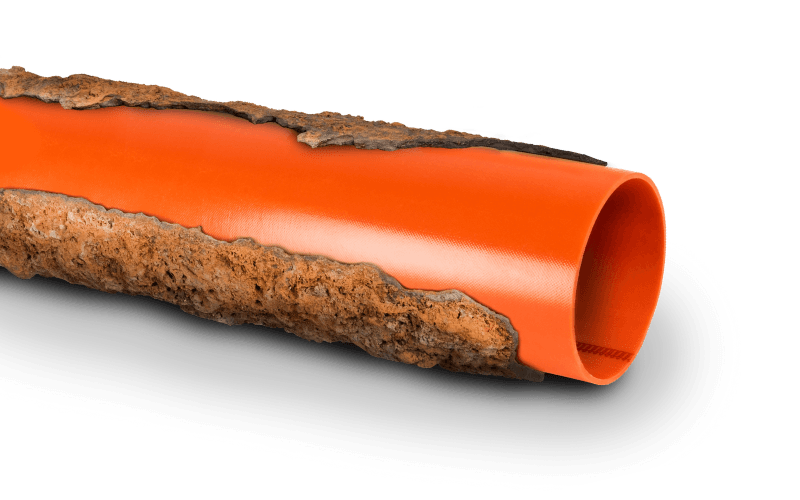
If the camera inspection after jetting shows the pipe wall is sound but corroded or rough on the interior – which is common in cast iron that’s been scoured clean – trenchless pipe lining is often the logical next step. The liner:
- Creates a smooth, corrosion-resistant interior surface
- Prevents rapid reaccumulation of scale
- Seals any minor cracks identified during inspection
- Extends the functional life of the pipe significantly
The combination of hydro jetting followed by pipe lining is a common and effective approach for older cast iron systems that have years of buildup but still have sufficient structural integrity.
Cast Iron Pipes and Colorado Springs Conditions
Many Colorado Springs homes built between the 1940s and 1970s have original cast iron drain systems. Colorado’s hard water accelerates mineral scale inside cast iron. The Front Range’s temperature swings contribute to corrosion. By the time a cast iron system in this area is 50-60 years old, a camera inspection is very likely to show significant internal scaling.
Per NASSCO pipe assessment standards, cast iron pipe condition is graded based on wall integrity, corrosion degree, and interior surface condition – all visible via camera inspection.
Frequently Asked Questions
What PSI is used for cast iron pipe jetting?
The pressure is adjusted based on pipe condition. Older or weaker pipes are jetted at lower pressure. The technician sets pressure based on what the camera shows.
Can hydro jetting break a cast iron pipe?
If the pipe is already severely compromised, yes – pressure can worsen existing fractures. This is why camera inspection before jetting matters. A pipe that can’t handle jetting shouldn’t be jetted – it should be lined or replaced.
My cast iron pipes are 60 years old. Should I replace instead of jet?
Age alone doesn’t determine the answer. A camera inspection shows the actual condition. Some 60-year-old cast iron pipes are still in acceptable condition; some are not. The camera tells you which category yours falls into.
Have old cast iron pipes? Start with a camera inspection. Schedule one today with Alphalete Trenchless Pipelining or call (720) 807-3224.