A lot of homeowners schedule a sewer camera inspection because something seems off – slow drains, recurring backups, a gurgling toilet. Others schedule one before buying a house. Either way, the question is the same: what does a sewer camera inspection find, and what will it actually show?
Here is what technicians typically find during a sewer camera inspection – and what each finding means.
Tree Root Intrusion
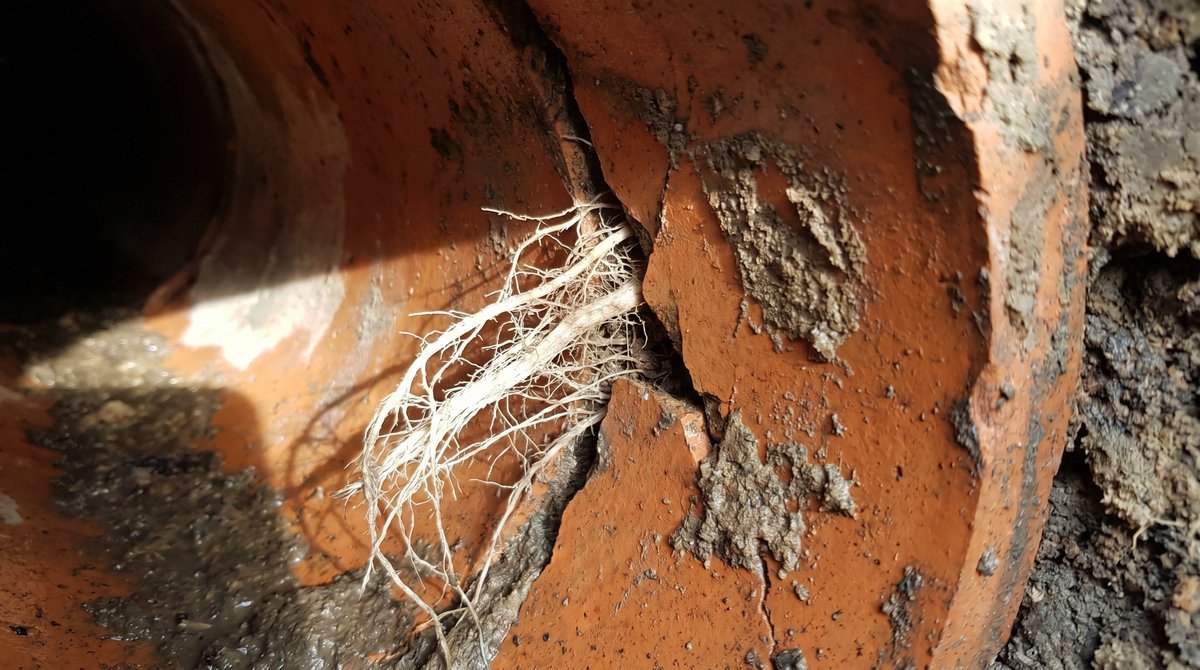
This is one of the most common findings in Colorado Springs. Our complete guide to sewer camera inspection in Colorado Springs covers the full process for local homes. Tree roots are constantly searching for water and nutrients. When they find a small crack or a loose joint in a sewer pipe, they grow in and expand over time.
On camera, root intrusion looks like a mass of fibrous strands reaching into the pipe – sometimes a little, sometimes so much the pipe is nearly blocked. Root intrusion caught early can often be addressed with hydro jetting to cut the roots and pipe lining to seal the entry point.
Cracks and Fractures
Pipes crack for several reasons – age, soil movement, freeze/thaw cycles, ground shifting. A camera shows exactly where a crack is, how long it runs, and whether it has caused the pipe to separate.
Minor cracks can be sealed from the inside with trenchless pipe lining. Major fractures or full separations may require more involved repair.
Grease and Debris Buildup
The camera shows the inside walls of the pipe. In kitchen lines, especially in older homes, grease builds up over the years and coats the pipe walls – narrowing the channel and slowing drainage. Hydro jetting clears grease buildup effectively. High-pressure water scours the pipe walls clean without chemicals.
Pipe Belly (Sag)
A belly or sag is a low spot in the pipe run caused by ground settling underneath it. Instead of sloping steadily downhill as it should, the pipe dips, creating a collection point for waste, sediment, and debris. Bellies show up on camera as standing water in a section of the line.
Offset or Separated Joints
Pipes connect at joints. When soil moves, pipes can shift at those connection points. An offset joint creates a ledge or gap where debris catches and roots can enter. The camera shows the degree of offset and whether it can be lined over.
Corroded or Deteriorating Pipe Material
Older cast iron pipes develop heavy scale and corrosion on the interior walls. Clay pipes become brittle and prone to cracking. The camera shows the condition of the pipe material itself – not just blockages.
According to NASSCO, the National Association of Sewer Service Companies, pipe condition grading from camera inspections is the standard method for determining repair urgency in both residential and municipal infrastructure.
Clean Pipe
Sometimes the camera finds nothing wrong. The pipe is clear, joints are intact, no roots, no cracks. That is a good outcome – you have documentation of the line’s condition and no immediate action is required.
What Happens After the Inspection?
- Grease or debris: hydro jetting
- Cracks, roots, offset joints: trenchless pipe lining
- Belly or sag: assessment for lining or re-grading
- Collapsed section: pipe bursting or excavation depending on severity
- Clean pipe: no action needed
Frequently Asked Questions
Can a sewer camera see all types of damage?
A camera inspection is very effective for structural issues, blockages, root intrusion, and pipe condition. For leaks seeping from outside in (groundwater infiltration), additional testing may be needed.
How far does the camera go?
Standard residential camera equipment can inspect 150 to 200 feet of line – more than enough for most single-family home laterals.
Service Areas
Sewer Camera Inspection Service Areas in Colorado
Alphalete performs detailed sewer camera inspections for property owners across Colorado. See where we offer camera inspections near you.
Is a recording provided after the inspection?
Yes. Most inspections are recorded and you receive the footage as part of the service.
Want to know what is inside your sewer line? Schedule a sewer camera inspection with Alphalete Trenchless Pipelining. Call (719) 787-7746.