Sewer line repair without digging is a modern way to fix damaged sewer pipes while reducing the need for major excavation. Instead of tearing up an entire yard, driveway, patio, or section of concrete, trenchless repair can restore the pipe from the inside when the existing line is still a good candidate for lining.
This is especially helpful when the problem is caused by tree roots in sewer line pipes. Tree roots can enter through small cracks, loose joints, or deteriorated sections of pipe. Once inside, they can grow through the line, catch debris, slow drainage, and cause repeated sewer backups.
Alphalete Trenchless Services helps Colorado homeowners and businesses solve these issues with sewer camera inspection, hydro jetting, drain cleaning, and CIPP trenchless pipe lining. Their process is designed to repair damaged sewer lines from the inside out with minimal excavation whenever pipe conditions allow it.
Why Tree Roots Become a Sewer Line Problem
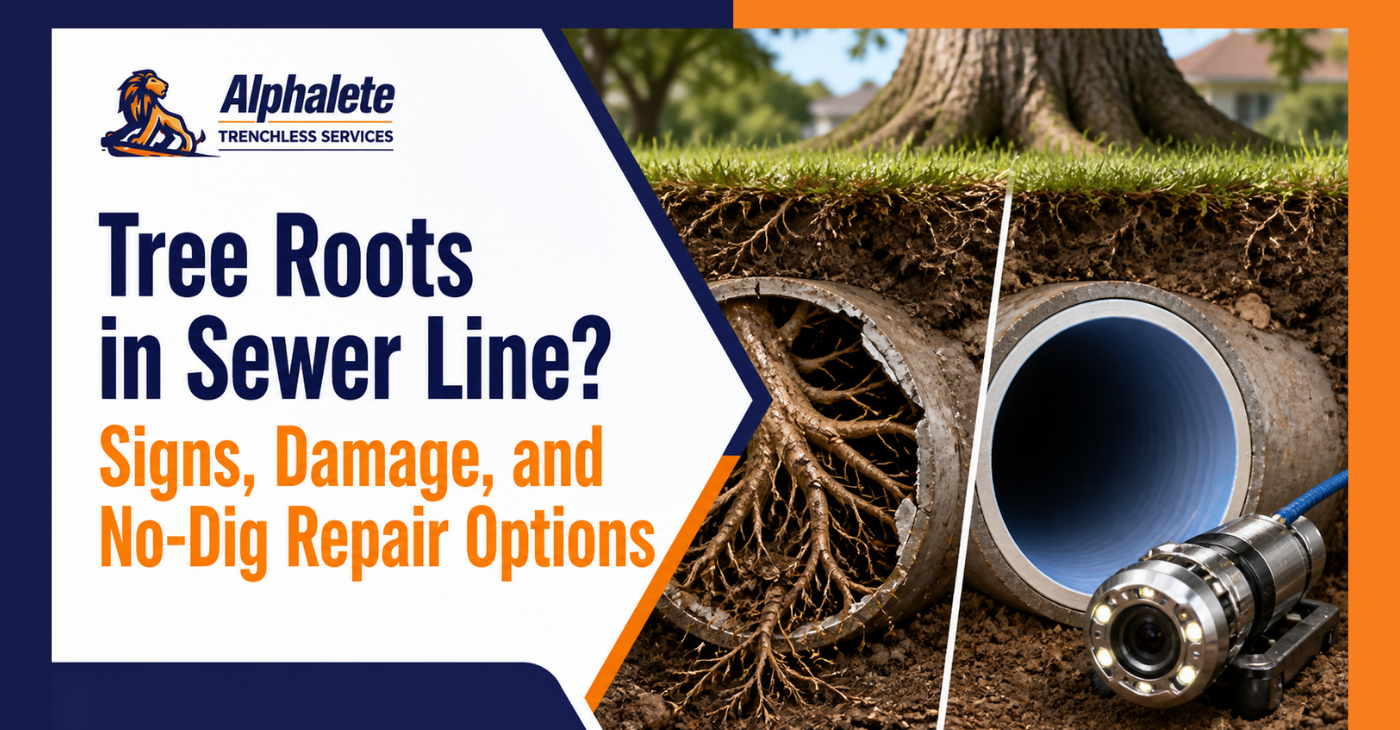
Tree roots naturally grow toward moisture. If your sewer line has a small crack, gap, or weakened joint, roots can find their way into the pipe. At first, the intrusion may be small. Over time, those roots can spread across the inside of the pipe and create a blockage.
This is how tree roots damage sewer lines. They do not always destroy the pipe immediately, but they can make existing pipe problems worse. Roots can push into joints, widen cracks, trap waste, and reduce the amount of space available for water and waste to move through the line.
Older sewer lines are often more vulnerable, especially if they are made from clay, cast iron, or deteriorating materials. Sewer lines near mature trees may also be at higher risk because the root systems are larger and more established.
Signs of Tree Roots in Sewer Line Pipes
The signs of tree roots in sewer line pipes can look like a normal clog at first. A single slow drain may not mean there is a sewer line problem, but multiple drains acting up at the same time can point to a deeper issue.
Common warning signs include slow drains throughout the home, gurgling toilets, recurring backups, sewer odors, water backing up into tubs or showers, and clogs that keep returning after basic drain cleaning.
You may also notice soft, wet, or sunken spots in the yard. In some cases, the only obvious clue is that the same drain or sewer line keeps clogging again and again.
A sewer camera inspection is the best way to confirm what is happening inside the pipe. Alphalete uses HD camera inspections to locate root intrusion, cracks, clogs, corrosion, bellies, collapsed sections, and other sewer line problems without digging.
Why Snaking May Not Be Enough
Snaking can sometimes open a blocked sewer line, but it may only create a temporary path through the roots. If the pipe has cracks or open joints, roots can continue growing back into the line.
That is why repeated snaking often does not solve sewer line root intrusion long term. It may restore flow for a short period, but it does not repair the damaged section where roots entered.
If you have had the same sewer line cleared more than once, it may be time to inspect the pipe and look for a more permanent solution. In some cases, professional drain cleaning may clear the blockage, but a deeper repair may be needed if roots are entering through damaged pipe.
How Hydro Jetting Helps With Tree Roots
Hydro jetting tree roots can be an effective step when the sewer line has heavy buildup, grease, sludge, or root intrusion. Hydro jetting uses high-pressure water to clean the inside walls of the pipe and flush debris out of the line.
For root removal from sewer line pipes, hydro jetting can help cut through root growth and clear the blockage. It is also commonly used before CIPP pipe lining because the pipe needs to be clean before the liner is installed.
Alphalete uses camera inspection before hydro jetting to confirm the pipe condition and after jetting to verify the line has been cleared. Hydro jetting is especially useful when standard snaking is not enough to remove roots, grease, sludge, or recurring blockages.
Sewer Line Repair Without Digging: How It Works
Sewer line repair without digging usually refers to trenchless sewer repair. One of the most common trenchless methods is CIPP pipe lining, which stands for cured-in-place pipe lining.
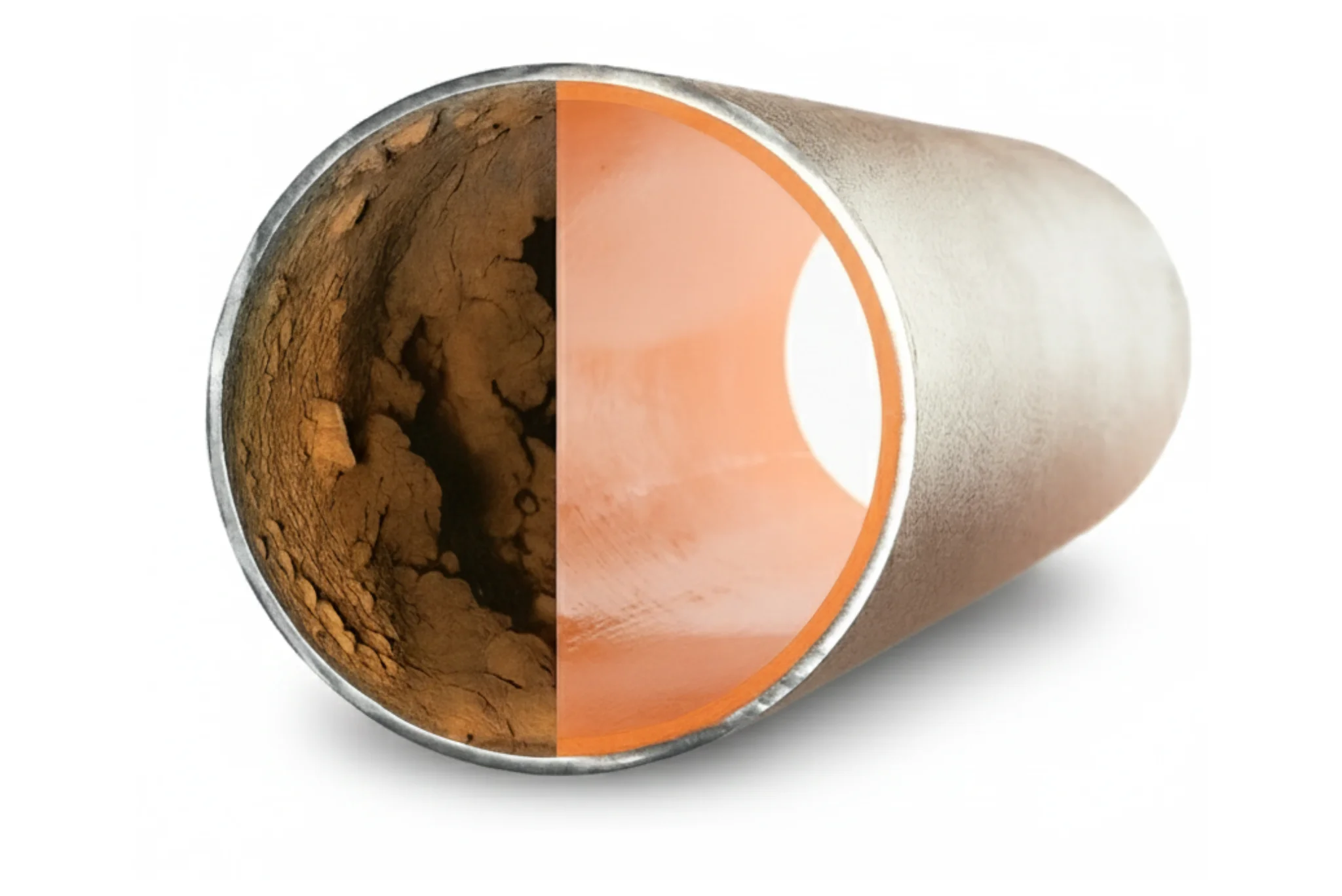
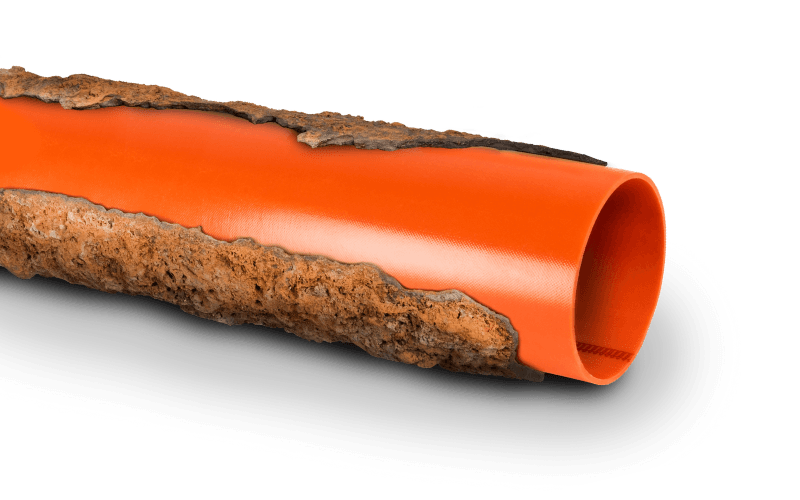
With this process, a resin-saturated liner is inserted into the damaged sewer line. The liner is then cured inside the existing pipe. Once it hardens, it forms a new structural pipe inside the old one.
This can help seal cracks, cover damaged areas, restore flow, and reduce the openings where roots were getting into the sewer line. For the right pipe, it can be a strong alternative to traditional dig-and-replace sewer repair.
Alphalete’s trenchless sewer pipelining is designed for cracked, leaking, root-intruded, or deteriorated sewer lines. Their CIPP liners are positioned as long-term structural sewer solutions with a 50+ year liner lifespan and a 20-year warranty.
The Trenchless Repair Process
A proper root intrusion sewer repair starts with diagnosis. You do not want to guess where the problem is or approve a repair before knowing the condition of the pipe.
The process usually looks like this:
- Sewer camera inspection
A camera is sent through the line to identify roots, cracks, buildup, broken sections, or other pipe issues. - Cleaning or hydro jetting
If the pipe can be cleaned safely, roots and debris are removed from the line. - Repair recommendation
The technician reviews the condition of the pipe and explains whether cleaning, trenchless lining, spot repair, or another solution is the right fit. - CIPP liner installation
If the pipe qualifies for trenchless repair, the liner is installed and cured inside the existing sewer line. - Final inspection
The line is inspected again to confirm the repair and check the finished pipe.
This inspection-first approach helps homeowners avoid unnecessary repairs and gives them a clear understanding of what is happening underground.
Trenchless Repair vs. Traditional Sewer Replacement
Traditional sewer replacement often involves digging a trench along the damaged pipe route. That can mean torn-up landscaping, broken concrete, driveway removal, longer timelines, and extra restoration costs after the plumbing work is done.
Trenchless repair is different. Instead of exposing the entire pipe, the goal is to restore the sewer line from inside the existing pipe. Some access may still be needed, but the process is designed to reduce excavation and disruption.
This makes trenchless repair especially helpful when the sewer line runs under a driveway, patio, sidewalk, landscaping, parking lot, or building. For homes and businesses, avoiding major digging can save time, protect property, and reduce the mess that comes with traditional excavation.
When Sewer Line Repair Without Digging Is a Good Fit
Trenchless sewer repair may be a good option if your pipe has root intrusion, cracks, leaking joints, recurring backups, aging pipe material, or damage under landscaping or concrete.
However, it is not the right solution for every pipe. If the sewer line is fully collapsed, severely misaligned, or too deteriorated to support a liner, another repair method may be needed.
That is why a sewer camera inspection matters. The inspection shows whether the pipe has enough structure left for CIPP lining or whether a different repair is required.
Why Choose Alphalete for Root Intrusion Sewer Repair
Alphalete Trenchless Services focuses on sewer rehabilitation, diagnostics, hydro jetting, and CIPP pipe lining. The company serves Colorado Springs, Denver, and surrounding Colorado communities with trenchless sewer repair, sewer camera inspections, drain cleaning, and hydro jetting.
For homeowners dealing with tree roots in sewer line pipes, Alphalete can inspect the line, remove roots when appropriate, and recommend a repair plan that fits the actual condition of the pipe.
The goal is not to sell a temporary fix. The goal is to identify the cause of the problem and provide a long-term repair option when trenchless lining is the right fit.
If you are located near Colorado Springs, Alphalete also provides sewer camera inspections in Colorado Springs to help identify root intrusion, cracked pipes, recurring backups, and other hidden sewer line issues.
FAQs About Sewer Line Repair Without Digging
Can you repair a sewer line without digging?
Yes, in many cases. Trenchless CIPP pipe lining can repair a damaged sewer line from inside the existing pipe, helping avoid major excavation. A camera inspection is needed to confirm whether the pipe is a good candidate.
Does sewer line repair without digging work for tree roots?
Yes, if the pipe condition allows it. Roots are usually removed first through cleaning or hydro jetting, then a CIPP liner can be installed to seal cracks and joints where roots entered.
What are the signs of tree roots in a sewer line?
Common signs include slow drains throughout the property, recurring backups, gurgling toilets, sewer odors, and clogs that keep coming back after snaking.
Can hydro jetting remove tree roots?
Yes. Hydro jetting can cut through root intrusion and flush root debris out of the line. It can also remove grease, sludge, and buildup from the pipe walls.
Will tree roots come back after cleaning?
They can come back if the pipe is still cracked, open, or damaged. Cleaning removes the blockage, but trenchless lining or another repair may be needed to seal the entry points.
How do I know if trenchless sewer repair is right for my home?
Schedule a sewer camera inspection. The inspection shows the pipe condition, location of damage, severity of root intrusion, and whether CIPP lining is a good repair option.
Schedule Sewer Line Repair Without Digging
If your sewer line keeps backing up, drains are slowing down, or you suspect tree roots in your sewer line, call Alphalete Trenchless Services at +1 720-807-3224.
Alphalete provides sewer camera inspections, hydro jetting, drain cleaning, and trenchless sewer line repair without digging for homeowners and businesses across Colorado Springs, Denver, and surrounding Colorado communities.
You can also schedule a sewer inspection to find out what is happening inside your sewer line before choosing a repair option.