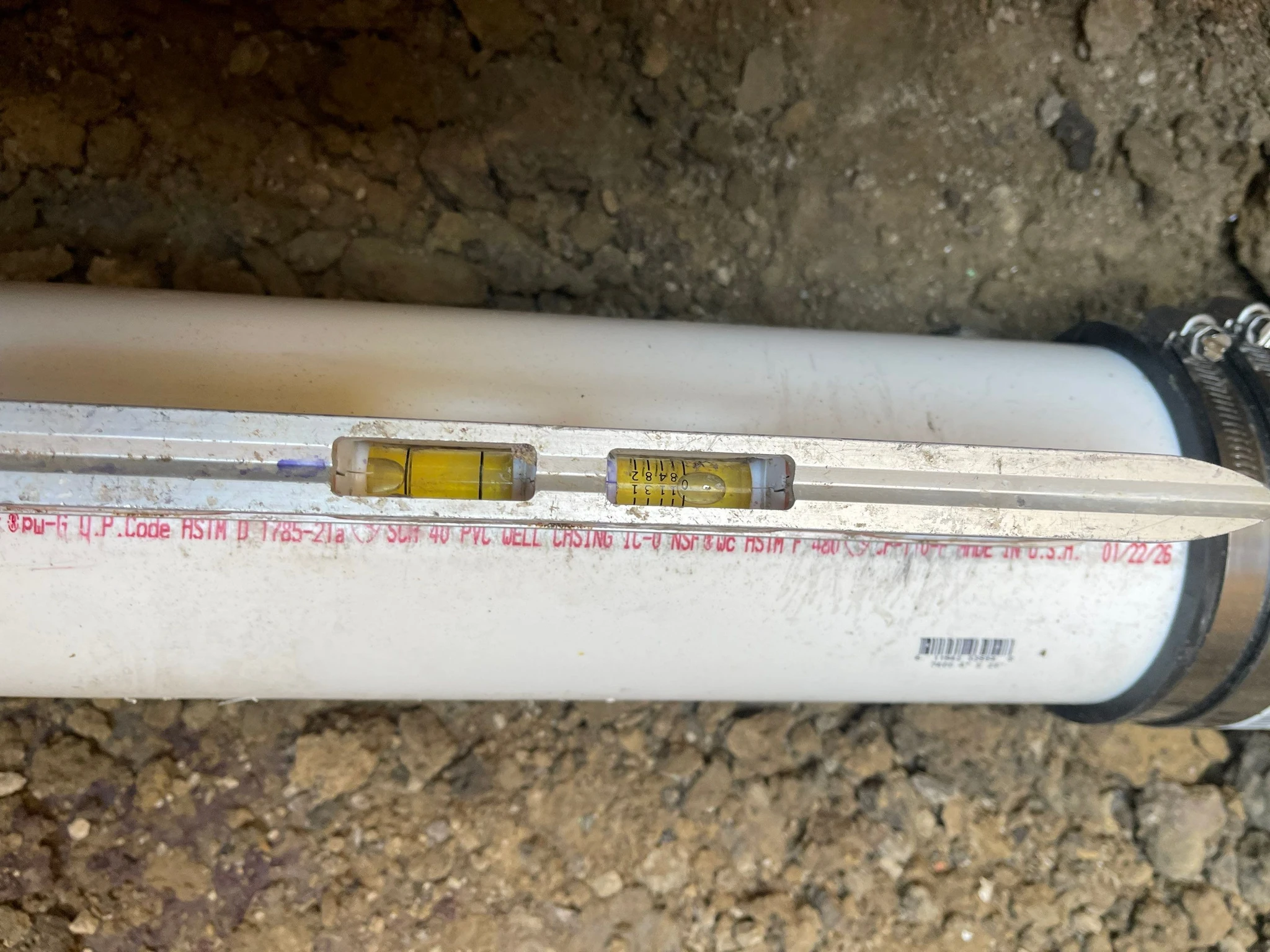
The practical difference for a homeowner comes down to this: cast iron is strong and quiet but corrodes and eventually fails, while PVC does not corrode and is what most repairs and new sewer lines use today. If you own an older Colorado Springs home with cast iron and it is failing, the modern result you are moving toward, whether through a new line or a CIPP liner, is a smooth, corrosion-resistant pipe.
This post compares the two and explains what it means for your home. It is part of our full guide to cast iron sewer pipe problems.
Cast iron vs. PVC sewer pipe: how the two materials compare
- Corrosion. Cast iron rusts from the inside and outside over decades. PVC does not corrode, which is its single biggest advantage for sewer use.
- Durability and age. Cast iron is heavy and strong, and it served homes for generations, but it wears out. PVC is lighter, resists root intrusion at sealed joints, and is not attacked by hydrogen sulfide the way iron is. That gas, which ATSDR describes as sewer gas, corrodes cast iron but not plastic.
- Noise. Cast iron is quieter, since the dense metal dampens the sound of draining water. This is the one area where cast iron still has an edge.
- Flow. A new PVC line or a CIPP liner has a smooth interior, unlike the rough, channeled surface of old corroded cast iron.
Why builders switched to PVC
Cast iron was the standard through most of the 20th century, but the industry moved to PVC around the late 1970s and early 1980s because it does not corrode, is easier to install, and holds up well underground. That is why homes built before then usually have cast iron and newer homes have PVC.
Does that mean you have to replace your cast iron?
No. Switching materials is not always necessary, and it does not always mean digging. If your cast iron line still has structural integrity, it can often be relined with CIPP, which gives you a smooth, corrosion-resistant inner pipe without excavation. NASSCO notes that CIPP creates a new structural pipe inside the host pipe and works across pipe materials. We cover this in can cast iron pipes be relined? When the line is collapsed or too far gone, replacement with new pipe is the route instead.
What this means for older Colorado Springs homes
Front Range soils are hard on buried cast iron. Expansive clay shifts with moisture and stresses aging joints, and acidic ground corrodes iron from the outside, which is why so many original lines here are now failing. Whether the answer is a liner or a replacement depends on the pipe’s condition, which a camera inspection determines. Either way, you end up with modern, corrosion-resistant performance. Our residential trenchless pipelining service handles both lining and replacement.
Frequently Asked Questions
Is PVC better than cast iron for sewer pipes?
For most modern uses, yes, mainly because PVC does not corrode. Cast iron is stronger and quieter, but it wears out over decades, which is why repairs and new lines generally use PVC or a CIPP liner today.
Do I have to replace cast iron with PVC?
Not necessarily. If the cast iron still has structural integrity, a CIPP liner can restore it from the inside without digging. Full replacement with PVC is reserved for lines that have collapsed or are too corroded to line.
Is cast iron pipe still good?
Many older cast iron lines are still functioning, but they are near or within the age range where problems appear. Having the line camera-inspected tells you whether it is still sound or ready for lining or replacement.
Service Areas
Trenchless Sewer Repair Service Areas in Colorado
Alphalete provides trenchless sewer line repair across Colorado's Front Range and nearby communities. Check local availability below.
Why was cast iron used in older homes?
It was the durable, quiet standard for most of the 20th century. Builders switched to PVC around 1980 because it resists corrosion and is easier to work with.
Deciding what to do with an aging cast iron line? A camera inspection shows you the options. Call Alphalete Trenchless Pipelining at (719) 787-7746 or learn about trenchless sewer repair in Colorado Springs.