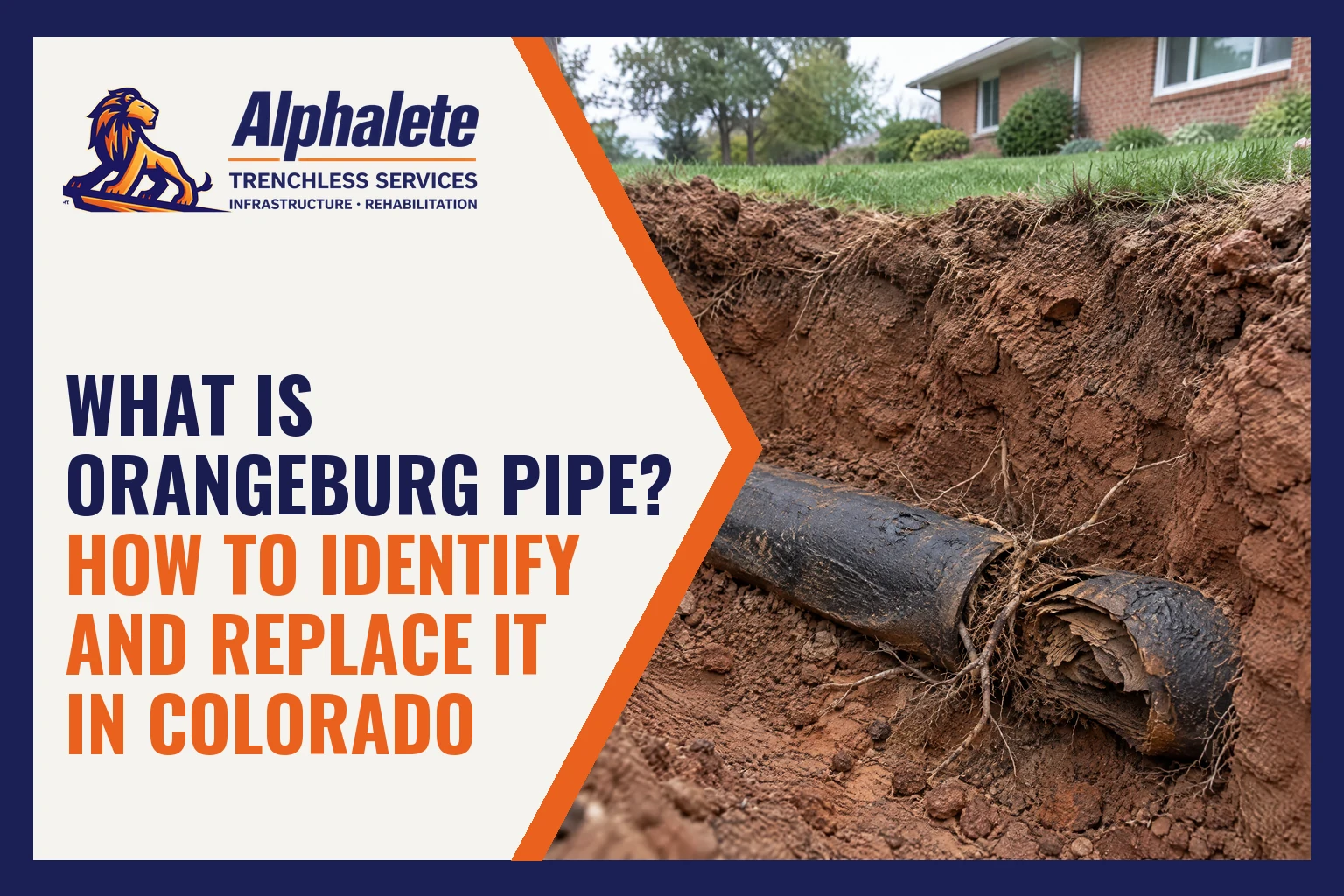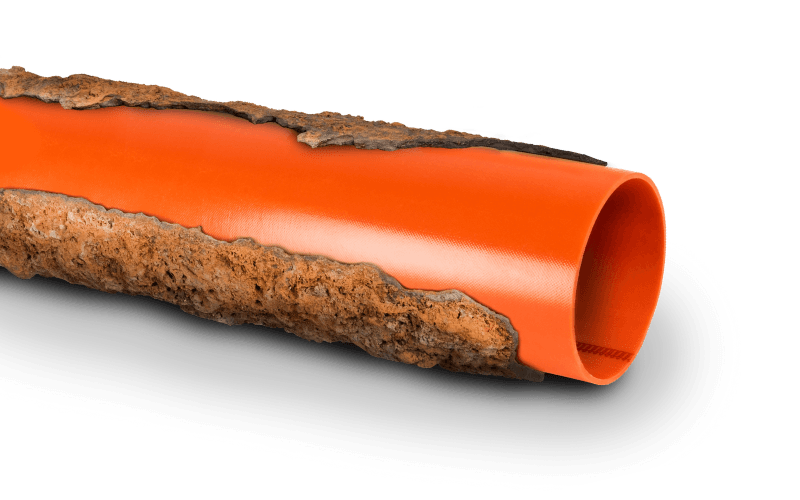
Cast iron sewer pipes generally last about 50 to 100 years, but corrosion can begin decades earlier depending on soil, water chemistry, and how the line is used. That range matters in Colorado Springs, because homes built before the early 1980s usually have original cast iron, which puts many of them right in the window where problems start to appear. Age alone is not a verdict though. A camera inspection is what tells you the real condition of your pipe.
This post explains what drives that range and how to tell where your line stands. It is part of our full guide to cast iron sewer pipe problems.
How long do cast iron sewer pipes last? Why the lifespan varies
Two identical pipes installed the same year can be in very different shape decades later. Cast iron corrodes from the inside as waste produces hydrogen sulfide, the gas ATSDR describes as sewer gas, which can turn to acid and thin the pipe walls. It also corrodes from the outside, depending on the soil around it. What you put down the drain, how often the line is cleaned, and how much the ground moves all push a pipe toward the shorter or longer end of the range.
What shortens cast iron pipe life in Colorado Springs
- Soil movement. Front Range expansive clay soils swell and shrink with moisture, and the Colorado Geological Survey ranks swelling soils among the state’s costliest hazards. That movement stresses aging joints and can crack brittle pipe.
- Chemical drain cleaners. Caustic cleaners sitting in a slow line accelerate internal corrosion.
- Neglected cleaning. Buildup speeds channeling. Colorado Springs Utilities recommends having the service line professionally cleaned about every two years, and more often in older neighborhoods with large trees.
- Tree roots. Once corrosion opens a crack, roots invade and widen it, shortening the pipe’s usable life.
How to tell where your pipes stand
Start with the age of the home. Built before the early 1980s? Assume cast iron until proven otherwise. From there, the only way to know the actual condition is a sewer camera inspection, which shows whether the interior is lightly rusted, deeply channeled, cracked, or root-invaded. Watch for the signs of a failing cast iron line in the meantime.
What to do as pipes near the end of their life
Reaching the older end of the range does not automatically mean replacement. If the pipe still has structural integrity, it can often be relined from the inside rather than dug up, which effectively resets the clock on that section. We cover this in can cast iron pipes be relined? Catching a line while it can still be lined is usually the better position to be in.
Frequently Asked Questions
How long do cast iron sewer pipes last on average?
Generally about 50 to 100 years, though corrosion can begin decades sooner depending on soil, water, drain-cleaner use, and maintenance. Local conditions push a given pipe toward the shorter or longer end.
My home is from the 1960s. Do I need new pipes now?
Not automatically. Age raises the odds of problems, but the actual condition varies. A camera inspection shows whether the line is still sound, a candidate for lining, or in need of replacement.
Can I extend the life of my cast iron pipes?
To a point. Avoiding chemical drain cleaners, keeping the line professionally cleaned, and addressing roots early all help. Once corrosion is advanced, relining is what restores the pipe long term.
Service Areas
Trenchless Sewer Repair Service Areas in Colorado
We repair failing sewer lines from the inside for property owners throughout Colorado. Find trenchless sewer repair in your area below.
Does Colorado’s soil affect how long cast iron lasts?
Yes. Expansive Front Range soils shift with moisture and stress aging joints, and acidic, damp ground corrodes cast iron from the outside, both of which can shorten its usable life.
Not sure how much life is left in your line? A sewer camera inspection gives you a clear answer. Call Alphalete Trenchless Pipelining at (719) 787-7746 or learn about trenchless sewer repair in Colorado Springs.