Signs Your Cast Iron Sewer Pipes Are Failing
The clearest signs of failing cast iron sewer pipes are several drains going slow at once, backups that keep returning, a sewer smell you cannot track down, rust-colored water, water stains or mold along walls and floors, and a soggy or sunken patch of yard over the line. If your Colorado Springs home was built before the early 1980s, its drains are probably original cast iron, and these are the symptoms that mean the pipe itself, not just a clog, is wearing out.
This post breaks down each sign and what it tells you. It is part of our full guide to cast iron sewer pipe problems.
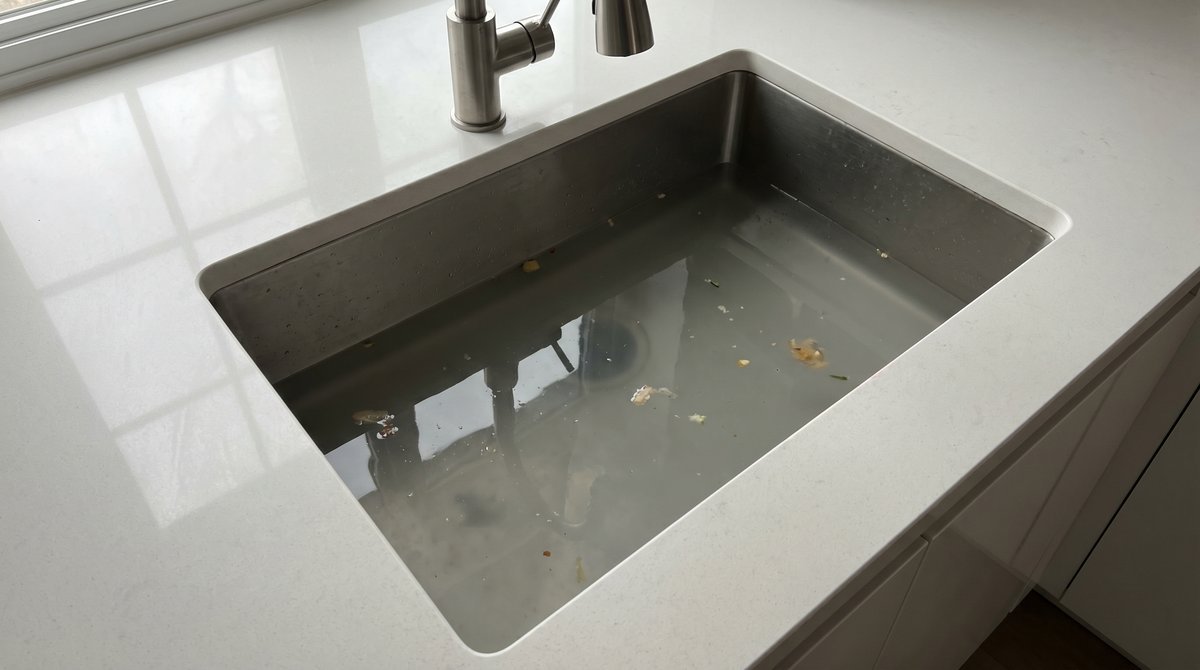
Several drains are slow at the same time
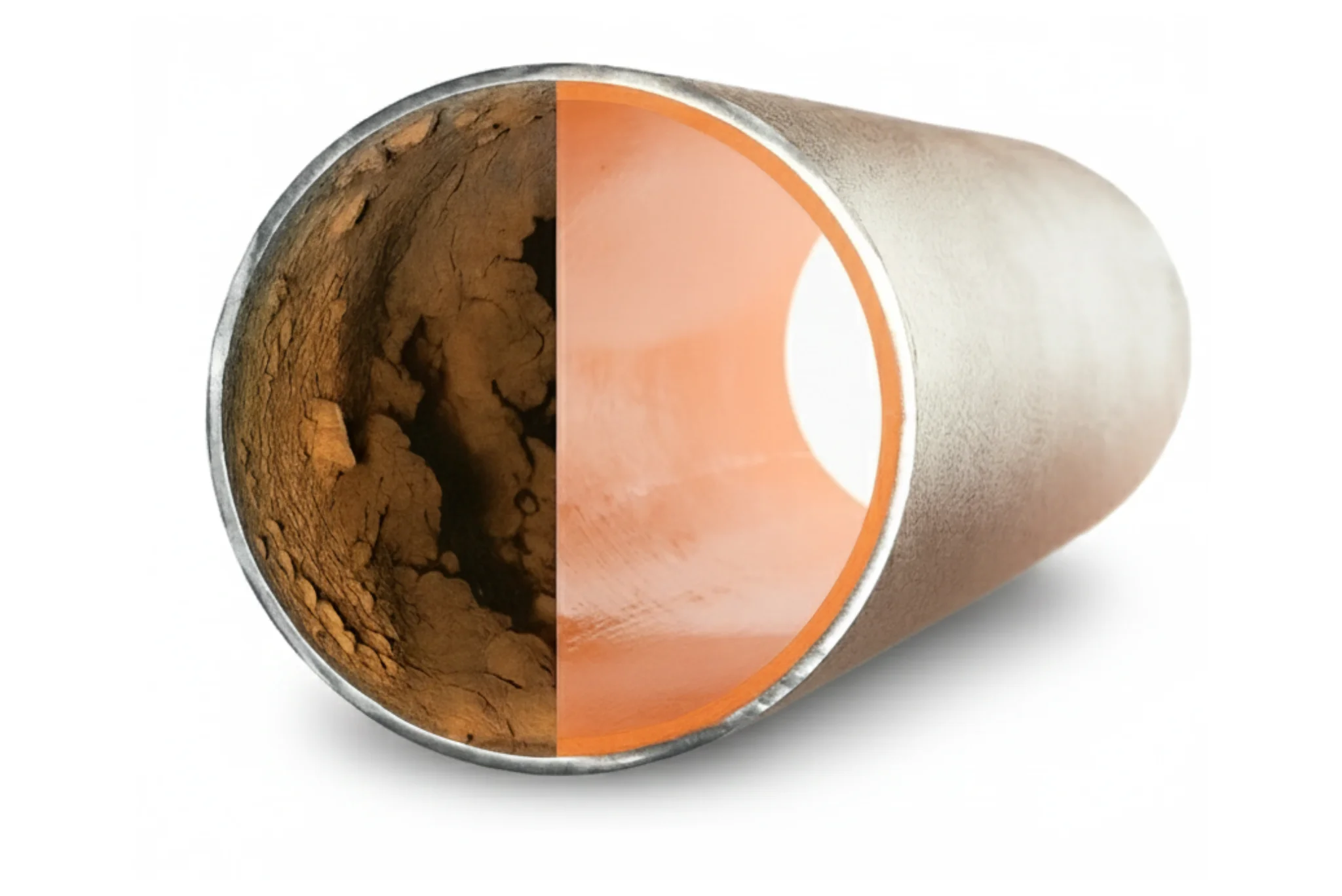
One slow sink is usually a local clog. When the kitchen, bathrooms, and laundry all drain sluggishly, the problem is likely in the main cast iron line, where decades of internal rust and scale have narrowed the pipe. Consistency across the whole house is the tell.
Clogs and backups that keep coming back
If you are snaking the same drain every few months, the pipe is probably failing, not just clogging. As cast iron corrodes, the interior roughens and the bottom erodes, so debris catches in the same spot again and again. Repeat backups are one of the most reliable signs of a deteriorating line.
A sewer smell you cannot get rid of
You should never smell sewage inside or around the foundation. That rotten-egg odor is hydrogen sulfide, the gas ATSDR calls “sewer gas”. When cracks or corroded sections open up, that gas escapes instead of venting through the roof. If cleaning does not fix the smell, suspect the pipe.
Rust-colored or discolored water
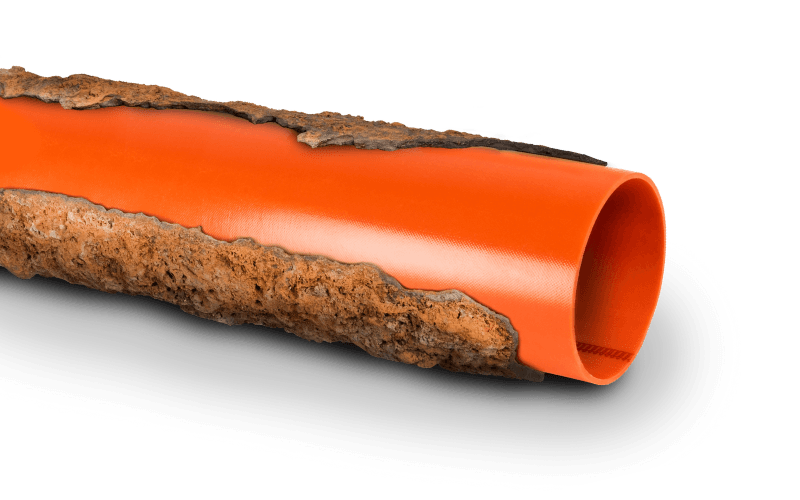
Cast iron corrodes from the inside, and that rust can tint the water coming from drains a brown or reddish color. In an older home, discoloration paired with any of the other signs points toward pipe deterioration.
Water stains, damp spots, or mold
When cast iron runs under a slab or behind walls, a leak may not show up where the pipe is broken. Watch for staining at the base of walls, damp flooring, bubbling paint, or mold and mildew around cabinets and baseboards. Wastewater from a corroded line can damage the structure long before you see the pipe.
A soggy, sunken, or extra-green patch in the yard
If the failing section is the underground line, the signs show up outside: a patch that stays wet in dry weather, a sinking spot, or grass that is unusually green over the pipe’s path. Colorado Springs Utilities notes that roots seek the water inside cracked pipes, which accelerates the damage in older, tree-lined neighborhoods.
What to do if you see these signs
Ease off chemical drain cleaners and aggressive snaking, both of which speed up damage to thin, corroded cast iron. Then get a sewer camera inspection to see the real condition of the line and how far the corrosion has gone. From there you will know whether the pipe can be relined or needs more work. To understand the timeline, see how long cast iron sewer pipes last, and for the fix, see whether cast iron can be relined.
Frequently Asked Questions
What is usually the first sign of cast iron pipe failure?
Often it is a recurring clog or several drains slowing at once, since internal corrosion narrows the pipe. A persistent sewer smell and rust-colored water are also common early signs.
Does a sewer smell always mean my cast iron pipes are failing?
Not always. It can sometimes be a dry trap or a vent issue. But when the odor comes with backups, slow drains, or moisture damage, a failing cast iron line should be high on the list, and a camera inspection will confirm it.
Can failing cast iron pipes damage my house?
Yes. Leaks from corroded pipes under slabs or behind walls can cause staining, mold, and structural damage, and underground failures can wash away soil and sink the yard. Early diagnosis limits the damage.
Should I replace cast iron pipes as soon as I see a sign?
Not necessarily. Many corroded cast iron lines can be relined rather than replaced if enough of the pipe remains. A camera inspection determines the right option.
Seeing these signs in an older Colorado Springs home? A sewer camera inspection shows exactly what is happening in your line. Call Alphalete Trenchless Pipelining at (720) 807-3224 or learn about trenchless sewer repair in Colorado Springs.